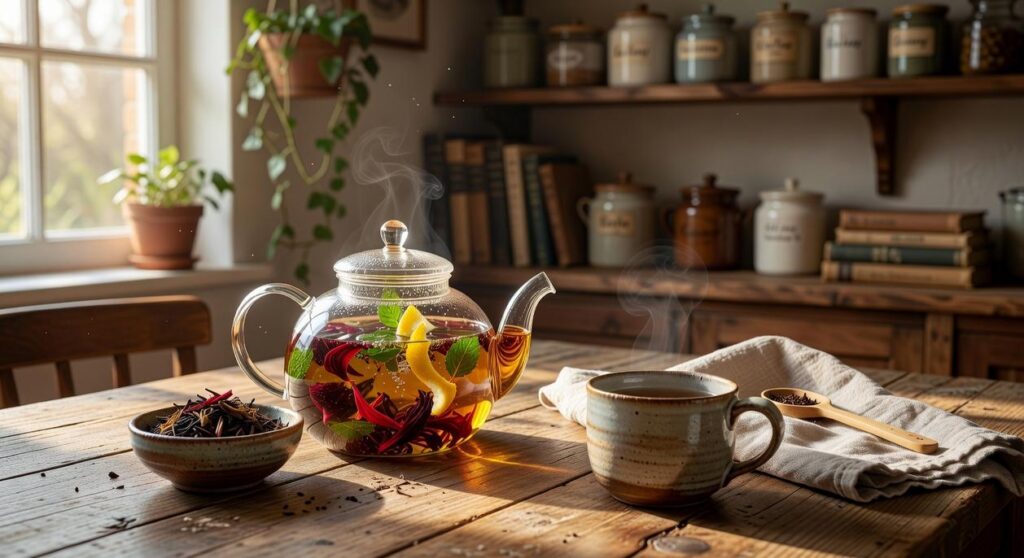
If you’re searching for creative ways to cook and bake with chai, you’re in the right place. This article is designed for home cooks and flavor explorers who want more than just a cup of tea — you want to transform those warm, spiced notes into unforgettable dishes. From desserts infused with cardamom and cinnamon to savory plates elevated by ginger, clove, and black tea depth, we’ll show you how to bring chai-inspired creativity into your kitchen with confidence.
We’ve tested these techniques across a range of recipes, studied traditional spice pairings, and consulted culinary sources on ingredient balance to ensure every combination delivers layered, harmonious flavor — not overpowering heat or sweetness. Whether you’re experimenting with spiced ingredient fusion for the first time or refining your infused cooking skills, this guide will walk you through practical tips, smart pairings, and modern tea-inspired trends that actually work.
Escape the Ordinary: A Guide to Transformative Flavor
It’s easy to default to salt and pepper (reliable, yes—thrilling, not always). Yet research shows that diverse spice use can increase meal satisfaction and perceived flavor intensity by up to 20% (Journal of Food Science, 2019). In other words, small tweaks matter.
Consider these upgrades:
- Cardamom and dark chocolate in brownies for floral depth.
- Smoked paprika with maple syrup on roasted carrots.
- Chili flakes and honey over fresh pineapple.
Moreover, global culinary traditions prove balance—sweet, heat, acid, spice—creates memorability. Pro tip: Bloom spices in oil first to unlock fat-soluble compounds and amplify aroma.
The Spice Cabinet Reimagined: Aromatic & Savory Fusions
Some cooks argue that classic herb pairings are classic for a reason. Why mess with basil and tomato when it already works? Or rosemary and lamb? Fair point. Tradition gives us structure. But flavor evolves the same way music does—jazz didn’t replace classical; it expanded it. The same is true for your spice cabinet.
Take Cardamom & Orange. At first glance, it sounds like a dessert-only duo. Critics might say citrus belongs in sweets, not savory marinades. Yet cardamom’s resinous warmth softens orange’s sharp acidity, creating balance. In a chicken marinade or roasted duck glaze, the combination brightens richness without overpowering it (and yes, it makes carrots taste far fancier than they are).
Then there’s Clove & Tomato. Some insist clove should stay in holiday ham or mulled drinks. But one whole clove steeped in tomato sauce adds subtle depth—what chefs call bass notes, the underlying flavors that make a dish feel complete. Remove it before serving, and you’ll have warmth without bitterness.
Consider Star Anise & Pork. The gentle licorice note enhances fatty cuts like pork belly or shoulder. Slow cooking allows the spice’s essential oils to infuse the broth, creating complexity without sweetness overload.
Finally, Turmeric & Cauliflower proves that simple doesn’t mean boring. Add black pepper (which enhances curcumin absorption, according to research published in Planta Medica) and fresh ginger, then roast until caramelized.
- Toast whole spices before grinding for deeper aroma.
- Use restraint; one pod or clove often suffices.
- Balance richness with acid to avoid heaviness.
Reimagining spices isn’t rebellion. It’s refinement.
Brewing Brilliance: Using Tea as a Secret Ingredient
Tea in cooking isn’t new—but using it as a structural flavor layer rather than a novelty infusion is where real innovation lives. Most recipes stop at desserts or simple broths. Let’s go further.
Rethinking Tea as Culinary Architecture
Think of tea as a spice blend that just happens to steep. It carries tannins (natural compounds that add dryness and complexity), volatile aromatics, and subtle bitterness that balance fat and sweetness. That’s not garnish—that’s strategy.
Smoky Lapsang Souchong & Mushrooms
Instead of liquid smoke (which can taste artificial), brew Lapsang Souchong strong and deglaze a pan of caramelized mushrooms. The pine-smoke aroma mimics open-flame grilling while keeping the dish vegetarian-friendly. For deeper impact, grind dry leaves into a salt rub. This creates a smokehouse effect without a smoker (and without setting off alarms).
Floral Jasmine Tea & White Fish
Poach cod or halibut gently in brewed jasmine tea held below a simmer. The steam carries floral notes into the flesh without overwhelming it. Unlike citrus-forward poaching, jasmine preserves sweetness and texture—ideal for delicate plating.
Earthy Earl Grey & Lamb
Bergamot oil naturally cuts through lamb’s richness. A concentrated Earl Grey marinade with garlic and rosemary tenderizes while adding a faint citrus bitterness chefs rarely explore. Rest the meat after roasting so the tea’s aromatics settle evenly.
Spiced Chai & Sweet Potatoes
Reduce chai to a glaze heavy on cinnamon, cardamom, and ginger. Brush over roasted sweet potatoes or whip into mash. The tannins offset sweetness, creating balance rather than dessert vibes (unless that’s your goal).
The advantage? Tea builds layered flavor without extra fat—something many competitors overlook entirely.
Unexpected flavor pairings often seem risky at first. After all, why mess with a good thing? Yet when balanced thoughtfully, contrasting ingredients create depth, brightness, and surprise.
Take Strawberry & Basil. Basil’s peppery, slightly sweet aroma (those fragrant compounds are called essential oils) intensifies the natural sugars in strawberries. In practice, try slicing both into a caprese-style salad with mozzarella and a drizzle of balsamic. The herb doesn’t overpower—it elevates. If you’ve only used basil in pasta, this is your plot twist.
Meanwhile, Grapefruit & Avocado solves a common problem: richness fatigue. Avocado’s creamy texture (thanks to heart-healthy monounsaturated fats, according to the American Heart Association) can feel heavy alone. Grapefruit’s bright acidity cuts through that richness, making breakfast bowls and composed salads feel lighter and more refreshing.
For something deeper, Fig & Rosemary delivers sweet-meets-savory harmony. Rosemary’s pine-like intensity balances jammy figs beautifully on flatbread with goat cheese. Start small—rosemary can dominate if overused (pro tip: chop it finely to distribute flavor evenly).
Finally, Cucumber & Chili proves contrast creates excitement. Cool, water-rich cucumber tempers chili heat, making it ideal for salsas or chilled soups. If you’re curious how bold contrasts shape modern cooking, explore why sweet and spicy pairings are dominating food culture: https://chaitomin.com/why-sweet-and-spicy-pairings-are-dominating-food-culture/.
Sometimes, the unexpected simply makes sense.
A Framework for Fearless Flavor Experimentation
Most people think great flavor is about complicated recipes. It’s not. It’s about structure. Start with a base—chicken, lentils, carrots—and commit to making that ingredient shine. SIMPLE beats crowded every time.
Next, introduce one unexpected partner. Maybe cardamom with carrots or smoked paprika with lentils. People often say “stick to classic pairings.” I disagree. SAFE IS OVERRATED.
Balance the profile: add acid (lemon), fat (butter), or sweetness (honey) to round things out. Finally, taste and adjust slowly. Season in small increments. You can always add more—but you can’t subtract chaos.
Your Culinary Adventure Begins Now
Now that we’ve explored unconventional pairings, let’s clarify what that really means. An “unconventional pairing” simply combines ingredients you wouldn’t typically put together—like tea with roasted vegetables—but that balance each other through aroma, texture, or contrast. In other words, it’s less about being fancy and more about being intentional.
If you’ve felt stuck repeating the same dinners, that cycle ends here. When you understand balance—aromatic (spices), savory (proteins), and fresh (herbs or citrus)—you gain control. Think cardamom and roasted carrots: warm, earthy, bright.
So, choose one pairing and try it this week. Small shift, big flavor payoff.
Keep Infusing, Keep Exploring
You came here looking for creative ways to bring chai beyond the cup—and now you have the inspiration to do exactly that. From layering warming spices into baked goods to experimenting with bold flavor combinations in savory dishes, you’ve seen how chai can transform everyday cooking into something deeply aromatic and memorable.
If you’ve ever felt stuck making the same recipes on repeat or unsure how to balance spices without overpowering a dish, you now have the tools to infuse confidently and cook with intention. Chai isn’t just a drink—it’s a gateway to richer, more expressive meals.
Now it’s your turn. Start with one recipe, experiment with one new spice pairing, and taste the difference. For more expertly crafted chai recipes, trending tea infusions, and proven tips that home cooks love, explore our latest creations and start brewing up something unforgettable today.