
When you first see a dunyasha nude photo, it’s like stepping into a dream. The ethereal quality, the emotion, the story—each element draws you in. This article is here to deconstruct that magic.
We’ll go beyond just admiring her work and dive into the specific elements that make her photography so unique. You’ll get a clear understanding of her techniques. And better yet, you’ll find actionable steps to bring this soulful, artistic style into your own photos.
Are you tired of taking generic snapshots? Do you want your photos to mean something more? It’s not about having the most expensive gear.
It’s about seeing the world through a different lens. Dunyasha’s style is all about perspective, and we’re here to help you see it too.
The Emotional Core: What Makes Her Photography Art?
When you look at her portfolio, a few themes jump out. Solitude, nostalgia, and the human connection with nature are front and center. These aren’t just random subjects; they’re carefully chosen to evoke a specific mood.
Her work is often described as melancholic, dreamlike, and cinematic. Each photo feels like a still from a movie, telling a story without words. She uses her subjects not just as focal points but as characters in a silent narrative.
This invites the viewer to imagine the story behind each image.
One of the most striking aspects of her photography is the concept of “intentional imperfection.” Soft focus, motion blur, and film grain add to the emotional depth. These elements don’t detract from the technical quality; they enhance the overall feeling.
Take, for example, a photo of a lone figure standing by a misty lake. The soft focus and slight motion blur make the scene feel almost otherworldly. It’s not just a picture; it’s an experience.
Her portraits are another standout. She captures vulnerability and authenticity, making them feel like intimate glimpses rather than posed shots. A portrait of a woman with a far-off gaze, for instance, tells a story of quiet introspection.
You can almost feel her thoughts.
The dunyasha nude series is a perfect example. The soft, natural light and the subtle, unposed expressions create a sense of raw, unfiltered emotion. It’s not about perfection; it’s about capturing the real, unguarded moments.
In a world where so many photographers aim for technical perfection, she stands out by embracing the imperfect. This approach makes her work more relatable and emotionally resonant. It’s a reminder that sometimes, the most powerful art comes from the heart, not the rulebook.
Deconstructing the Visual Language: Light, Color, and Composition
Her signature use of light is all about soft, diffused natural light. Think overcast days or window light. This creates painterly, low-contrast scenes that feel almost dreamlike.
Color palette? Muted, desaturated tones, earthy colors, and a cohesive, film-like color grade. It unifies her work and gives it a consistent, timeless feel.
Composition is key. She often uses negative space, leading lines, and places subjects slightly off-center. This creates a sense of longing or contemplation.
Depth of field is another tool in her arsenal. A shallow depth isolates the subject and blurs the background into an abstract, emotional texture.
Texture and grain add to the tangible, nostalgic quality. It’s like you can feel the image, not just see it.
Let’s look at one photo. The dunyasha nude is a perfect example. Soft, diffused light wraps around the subject, creating a gentle, almost ethereal glow.
The muted, desaturated tones give the image a timeless, almost vintage feel. The composition, with the subject slightly off-center and surrounded by negative space, adds to the sense of contemplation and introspection. The shallow depth of field blurs the background, making the subject stand out even more.
Together, these elements tell a specific story. One of quiet reflection and a deep connection to the moment.
The Tools of the Artist (And Why Vision Matters More)

You see a stunning photo and think, “What camera does she use?” I get it. Gear matters. Full-frame mirrorless or DSLR cameras are often the go-to for this style.
But let’s talk lenses. Prime lenses like 35mm, 50mm, and 85mm with wide apertures (f/1.4, f/1.8) are key. They give you that shallow depth of field and beautiful bokeh.
Now, here’s the kicker. Gear is secondary to the artist’s vision. Understanding light and emotion is what makes a photo stand out.
Sure, top-of-the-line gear can be pricey. But there are affordable alternatives. Vintage manual focus lenses, for example, can help you achieve a similar look without breaking the bank.
Post-processing is another crucial part. It’s not about fixing bad photos. It’s about enhancing the mood and color story you envisioned during the shoot.
Mastering a simple camera setup is more powerful than owning a dozen expensive lenses without a clear artistic direction.
Think about it. Would you rather have a dunyasha nude shot with a cheap lens but a strong vision, or a technically perfect image that lacks soul?
So, next time you’re tempted to buy the latest and greatest, remember: your vision and understanding of light and emotion matter more.
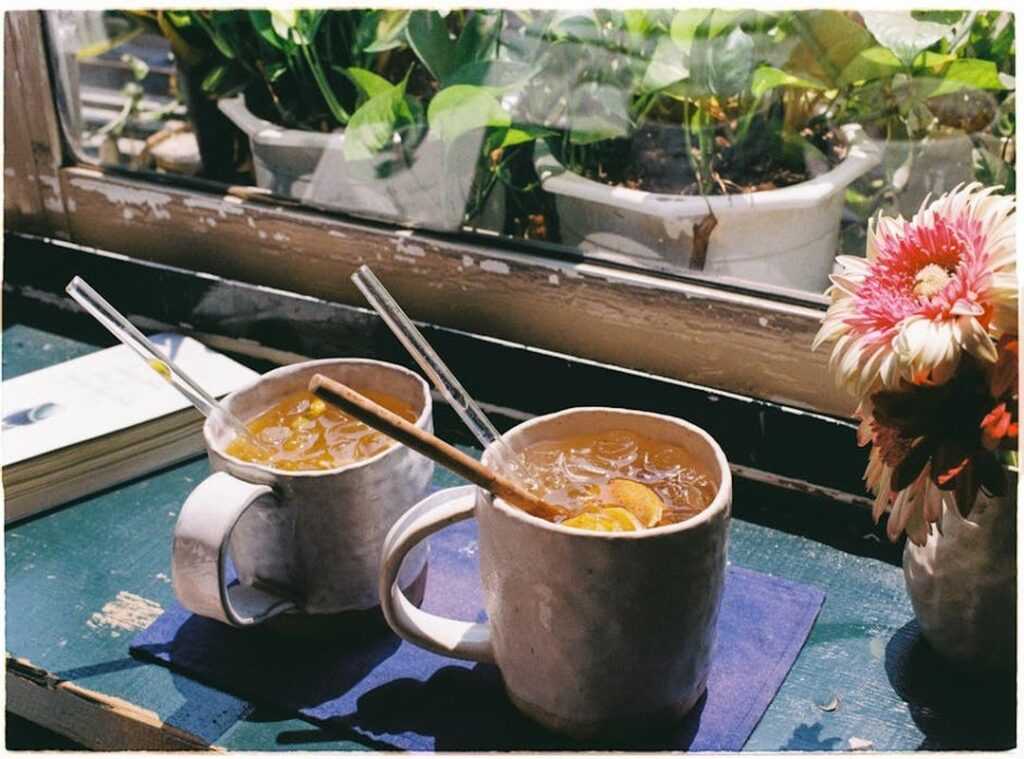
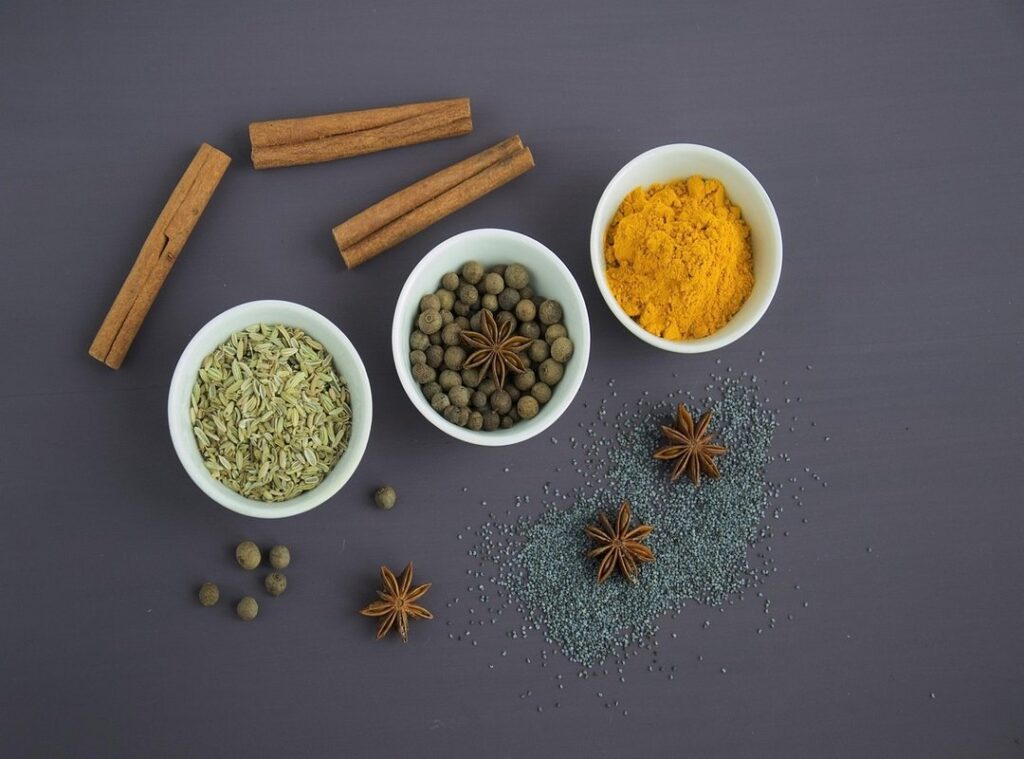
Oh, and if you’re into exploring unique flavors and stories, check out the origins and ingredients of Kashmiri kahwa. It’s all about the journey and the experience.
5 Steps to Infuse Your Photography with Artistic Flair
Step 1: Find the Story
Before you even pick up the camera, think about the emotion or narrative you want to convey. What story are you telling? This step is crucial because it sets the tone for everything else.
Step 2: Chase the Soft Light
Soft light can make or break a photo. Shoot during the golden hour, on overcast days, or use a single window as a light source. The soft, diffused light can add a dreamy, ethereal quality to your images.
Some might argue that natural light is unpredictable. But with a bit of planning and flexibility, you can still get great shots. Just be ready to adapt to the conditions.
Step 3: Embrace Simplicity
Focus on a single subject and use negative space to eliminate distractions. A cluttered frame can confuse the viewer. By keeping it simple, you amplify the emotional impact of your photo.
Step 4: Shoot with Intention
Slow down and be deliberate with your composition and focus. Think about every element in the frame. This isn’t just about snapping a picture; it’s about creating a piece of art.
Some people might say this approach is too time-consuming. But trust me, the extra effort pays off. You’ll end up with more meaningful and impactful photos.
Step 5: Develop a Cohesive Edit
Create a simple editing preset that emphasizes muted colors and soft contrast. This helps build a consistent style. Consistency is key if you want your work to stand out.
But what if you prefer bold, vibrant colors? That’s fine too. The point is to find a style that works for you and stick with it.
Consistency is what makes your work recognizable.
Pro Tip: Experiment with different editing styles until you find one that resonates with you. It’s all about personal preference and what best tells your story.
Underline your unique vision and stay true to it. Whether it’s dunyasha nude or a serene landscape, your style should reflect your artistic voice.
Your Art is Waiting: Start Creating More Soulful Images Today
Dunyasha’s artistic photography is a masterclass in using technical skills to serve an emotional purpose. The key takeaways are to focus on story, master soft light, and simplify the composition.
You now have the foundational knowledge to stop taking simple snapshots and start creating evocative art. Challenge yourself to try one of the five steps on your next shoot and see the immediate difference in your work.
Find your own unique artistic voice, using these principles as a guide.
 There is a specific skill involved in explaining something clearly — one that is completely separate from actually knowing the subject. Jennifer Thorpecania has both. They has spent years working with chai-focused recipes and flavors in a hands-on capacity, and an equal amount of time figuring out how to translate that experience into writing that people with different backgrounds can actually absorb and use.
Jennifer tends to approach complex subjects — Chai-Focused Recipes and Flavors, Flavor Buzz, Infused Cooking Tips and Hacks being good examples — by starting with what the reader already knows, then building outward from there rather than dropping them in the deep end. It sounds like a small thing. In practice it makes a significant difference in whether someone finishes the article or abandons it halfway through. They is also good at knowing when to stop — a surprisingly underrated skill. Some writers bury useful information under so many caveats and qualifications that the point disappears. Jennifer knows where the point is and gets there without too many detours.
The practical effect of all this is that people who read Jennifer's work tend to come away actually capable of doing something with it. Not just vaguely informed — actually capable. For a writer working in chai-focused recipes and flavors, that is probably the best possible outcome, and it's the standard Jennifer holds they's own work to.
There is a specific skill involved in explaining something clearly — one that is completely separate from actually knowing the subject. Jennifer Thorpecania has both. They has spent years working with chai-focused recipes and flavors in a hands-on capacity, and an equal amount of time figuring out how to translate that experience into writing that people with different backgrounds can actually absorb and use.
Jennifer tends to approach complex subjects — Chai-Focused Recipes and Flavors, Flavor Buzz, Infused Cooking Tips and Hacks being good examples — by starting with what the reader already knows, then building outward from there rather than dropping them in the deep end. It sounds like a small thing. In practice it makes a significant difference in whether someone finishes the article or abandons it halfway through. They is also good at knowing when to stop — a surprisingly underrated skill. Some writers bury useful information under so many caveats and qualifications that the point disappears. Jennifer knows where the point is and gets there without too many detours.
The practical effect of all this is that people who read Jennifer's work tend to come away actually capable of doing something with it. Not just vaguely informed — actually capable. For a writer working in chai-focused recipes and flavors, that is probably the best possible outcome, and it's the standard Jennifer holds they's own work to.