What’s the deal with global spices chai? It’s more than just a drink; it’s an experience, a journey of flavors that can transport you across continents with a single sip. I love how it combines the sweet, spicy, and aromatic in a way that seems almost magical.
Ever wonder why it captures the heart and palate so effortlessly? That’s what we’re diving into today.
Here’s the thing: chai isn’t just about taste. It’s about the story behind every spice, every unique blend. These flavors aren’t random.
They’re a craft honed over centuries, bringing cultures together in a teacup. You could say it’s the ultimate fusion technique, a blend that feels both ancient and new.
I’m not just talking from nowhere. We’ve consulted flavor experts and culinary trendsetters to bring you takeaways you can’t find elsewhere. You’ll leave with more than just a recipe.
You’ll have a deeper appreciation and maybe a new favorite way to enjoy your chai.
The Foundation: Unpacking Classic Masala Spices
Let’s get straight to it. Masala chai isn’t just tea; it’s a global spices chai experience. It all starts with the “big five” spices that form its heart.
Green cardamom is the aromatic queen, offering a floral sweetness that elevates the blend. Don’t underestimate her power. Cinnamon wraps everything in a familiar, woody sweetness.
It’s the kind of warmth that feels like a cozy blanket.
Then you’ve got cloves. They’re the pungent punch, adding depth that’s almost addictive. Fresh ginger?
That’s the zesty fire. It cuts through the sweetness with a brightness you can almost taste just by imagining it. Finally, black peppercorns bring the sharp kick.
They linger on your palate, creating a bold finish. Each spice plays its role, and together they create something magical.
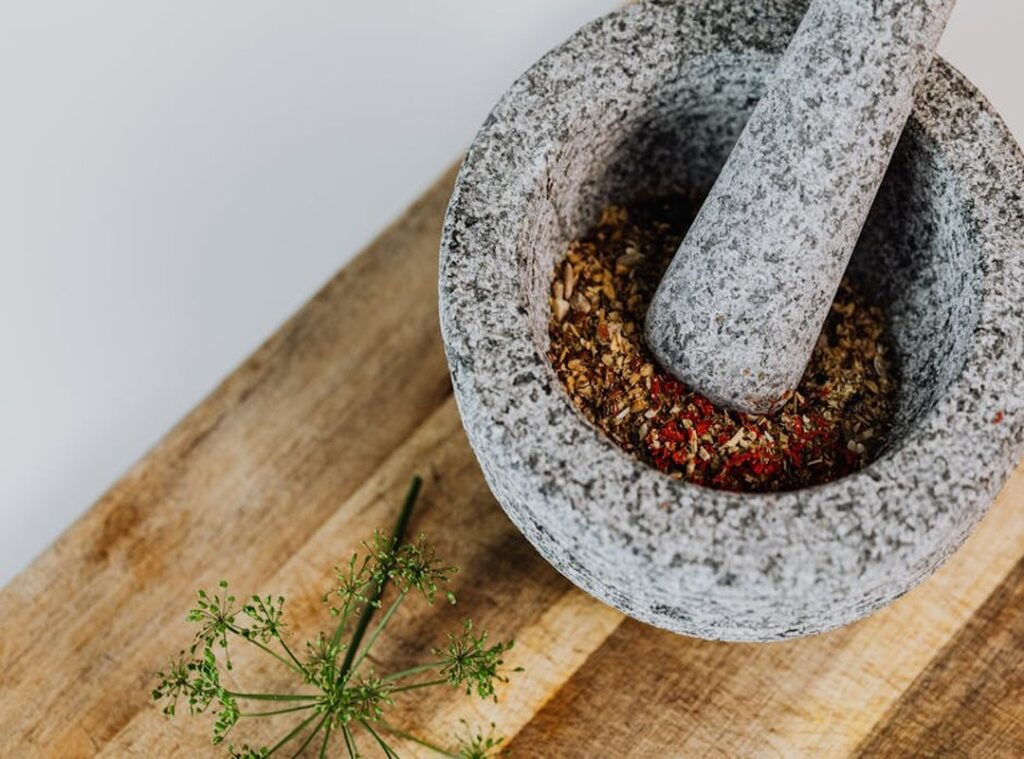
Here’s a pro tip: always use freshly toasted, whole spices. Trust me, the flavor difference is deep. Pre-ground powders just don’t cut it.
Toast them in a dry pan for 1-2 minutes to awaken their important oils. You’ll notice how the aroma transforms, becoming richer and more complex. It’s like comparing a live concert to a recording.
And let’s not forget regional twists like star anise or fennel seeds. They hint at the incredible diversity that awaits as we explore further. For those eager to dig into deeper, the Mastering Art Spice Fusion page offers a deeper dive into these techniques.
It’s fascinating how spices travel and transform across cultures, isn’t it? So, start with the foundation, but keep your mind open. The world of chai is vast and ever-evolving.
Aromatic Whispers: Chai Spices of the Middle East & Persia
Have you ever sipped chai and felt like you were inhaling a garden in full bloom? That’s the power of Middle Eastern and Persian influences on tea. These regions have shifted chai from a simple spiced drink to a fragrant masterpiece.
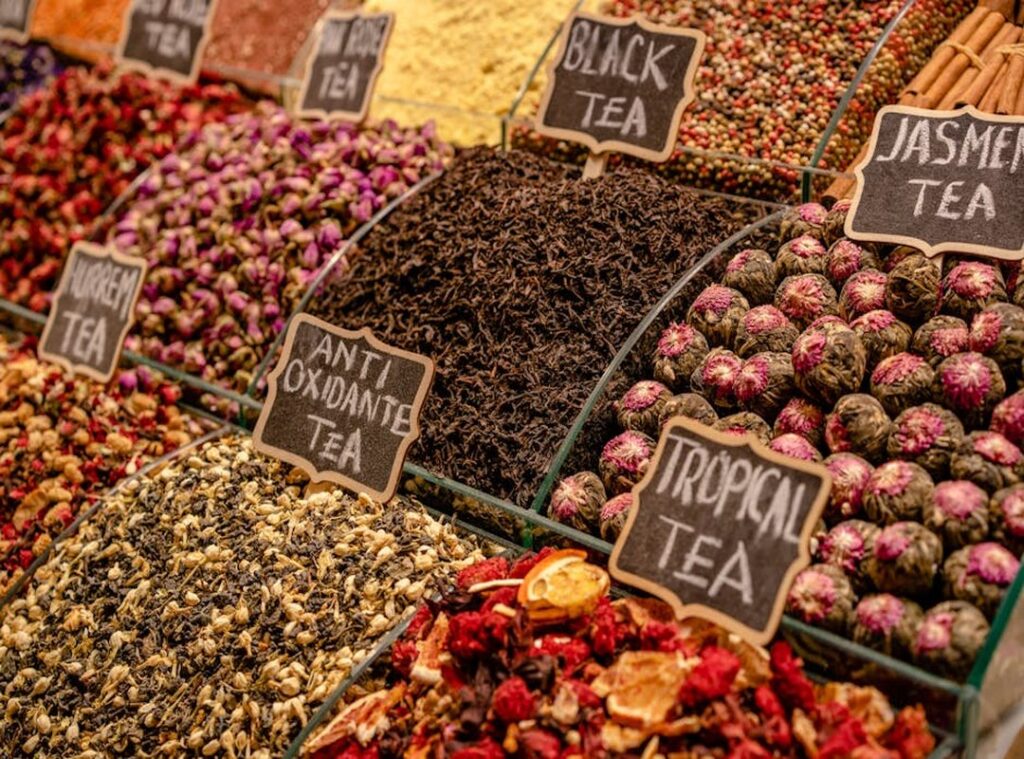
I’m talking about floral, perfumed profiles that come alive with every sip. The Silk Road and spice trade played no small role in this transformation, carrying flavors across continents.
One spice that absolutely changes the chai game is rose. Using rose petals or rosewater gives chai an elegant, almost poetic touch. It’s like drinking romance itself.
This isn’t just any tea; it’s a sophisticated brew that commands attention. And then there’s saffron, the jewel of spices. Its luxurious, earthy profile adds a golden hue and that unmistakable aroma of opulence.
It’s the kind of spice that makes you wonder how you ever drank chai without it.
Nutmeg brings a comforting warmth to the mix. It offers a nutty sweetness that’s more mellow compared to the sharper notes of cloves. It’s the smooth operator in your chai cup, rounding out the flavors.
Got a craving for something different? Try a Persian-inspired chai. Add a few threads of saffron and a splash of rosewater to a cardamom-forward base.
Suddenly, you’re not just drinking tea; you’re experiencing a global spices chai symphony. Want to dive deeper into these rich flavors? Here’s a spiced chai latte mix to start your journey.
Bold & Zesty: East African Spice Blends
When it comes to chai, East African spice blends offer a bold and zesty twist that’s hard to beat. Take Zanzibar, for instance, often called the ‘Spice Islands.’ The flavors here are not just unique; they’re big (in a good way).
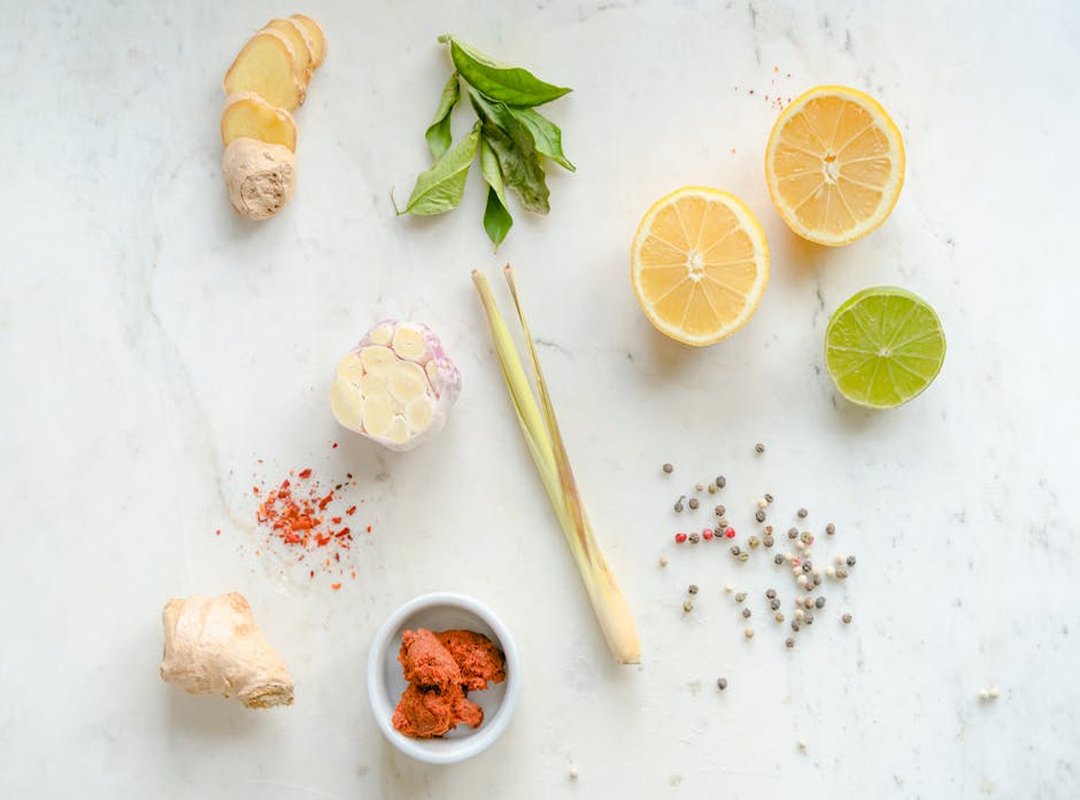
Lemongrass is one ingredient you can’t ignore. It brings a bright, citrusy, and slightly herbal note. This cuts through the richness of milk, offering a refreshing counterpoint to the usual warm spices.
Ever tried chai with lemongrass? If not, you’re missing out on a real treat.
Then there’s allspice, or ‘pimento’ if you prefer. It’s a wonder spice, tasting like cinnamon, nutmeg, and clove had a party. It builds depth like nothing else.
If your chai feels flat, allspice might just be the hero you need.
Now, let’s talk about grains of paradise. A West African gem, it’s more complex than your average black pepper. With hints of cardamom and ginger, it adds a fragrant, lingering heat.
Imagine sipping chai with this spicy complexity. It’s like chai, but grown-up.
Here’s a pro tip for you: pair these bolder, zestier chais with savory foods. They can stand up to stronger flavors, unlike more delicate blends. Want to know more about pairing spices effectively?
Check out the ultimate guide spice pairing.
So, does this kind of chai work? Absolutely. It’s a global spices chai experience that brings a whole new dimension to your cup.
Try it once, and you’ll see why East African blends are in a league of their own.
The New Frontier: Modern Western & Fusion Chai Creations
Chai isn’t just a drink; it’s a global spices chai adventure. Western cafes and home kitchens are pushing chai into exciting new territories. You’re probably wondering.
What’s the big deal? Well, it’s all about innovation and breaking free from tradition.
Take turmeric, for instance. Known for its earthy and savory depth, it’s not just a color booster. Turmeric in chai, often paired with black pepper, is the backbone of the “Golden Chai Latte” craze.
It’s a health kick and a taste revolution in one cup.
Then there’s the “Chocolate Chai” trend. Cacao or cacao nibs add a rich, bitter layer that complements traditional spices. Think of it like a decadent, mole-like complexity.
This isn’t just chai; it’s a dessert experience.
Lavender is another twist. People are loving herbal chai blends for their calming effects. Lavender adds a floral top note, making it perfect for a relaxing, caffeine-free evening drink.
It’s the kind of chai you sip while wrapped in a blanket, a book in hand.
But here’s the best part: there are no rules. Your spice cabinet is your playground. You can create your own signature blend.
Why not experiment? Add a pinch of this or that and see what happens. Chai is as much about creativity as it is about tradition.
In the end, chai is your canvas. Dive into the world of modern chai and create something unique. After all, innovation is born from experimentation.
Craft Your Own Chai Symphony
Chai isn’t just a drink; it’s a global spices chai adventure waiting to happen. You’re no longer stuck with the same old flavors. With your newfound understanding of international spices, you can brew something truly unique.
Why settle for predictability? It’s time to experiment. Pick a spice.
Rose, lemongrass, or cacao (and) throw it into your next pot. Transform your tea time into a personal experience. Ready to make a change?
Dive into this world of flavors. Discover the magic within your cup. Start your flavor journey today.
Trust me, you won’t look back. Get brewing and taste the difference.
 There is a specific skill involved in explaining something clearly — one that is completely separate from actually knowing the subject. Jennifer Thorpecania has both. They has spent years working with chai-focused recipes and flavors in a hands-on capacity, and an equal amount of time figuring out how to translate that experience into writing that people with different backgrounds can actually absorb and use.
Jennifer tends to approach complex subjects — Chai-Focused Recipes and Flavors, Flavor Buzz, Infused Cooking Tips and Hacks being good examples — by starting with what the reader already knows, then building outward from there rather than dropping them in the deep end. It sounds like a small thing. In practice it makes a significant difference in whether someone finishes the article or abandons it halfway through. They is also good at knowing when to stop — a surprisingly underrated skill. Some writers bury useful information under so many caveats and qualifications that the point disappears. Jennifer knows where the point is and gets there without too many detours.
The practical effect of all this is that people who read Jennifer's work tend to come away actually capable of doing something with it. Not just vaguely informed — actually capable. For a writer working in chai-focused recipes and flavors, that is probably the best possible outcome, and it's the standard Jennifer holds they's own work to.
There is a specific skill involved in explaining something clearly — one that is completely separate from actually knowing the subject. Jennifer Thorpecania has both. They has spent years working with chai-focused recipes and flavors in a hands-on capacity, and an equal amount of time figuring out how to translate that experience into writing that people with different backgrounds can actually absorb and use.
Jennifer tends to approach complex subjects — Chai-Focused Recipes and Flavors, Flavor Buzz, Infused Cooking Tips and Hacks being good examples — by starting with what the reader already knows, then building outward from there rather than dropping them in the deep end. It sounds like a small thing. In practice it makes a significant difference in whether someone finishes the article or abandons it halfway through. They is also good at knowing when to stop — a surprisingly underrated skill. Some writers bury useful information under so many caveats and qualifications that the point disappears. Jennifer knows where the point is and gets there without too many detours.
The practical effect of all this is that people who read Jennifer's work tend to come away actually capable of doing something with it. Not just vaguely informed — actually capable. For a writer working in chai-focused recipes and flavors, that is probably the best possible outcome, and it's the standard Jennifer holds they's own work to.