
Ever bite into a dish that looks amazing but tastes like nothing? It’s a real letdown, right? We’ve all been there, staring down a plate that promised so much yet delivered so little.
I’ve spent years diving into the art of spice and flavor fusion. Why? Because food should never be boring, and you deserve meals that sing.
This guide is your ticket to transforming bland meals into brilliant feasts. Think beyond just shaking on more salt. With a deep passion (and lots of messy kitchen experiments), I’ve gathered infusing flavors tips that will revolutionize your cooking.
You’ll get actionable techniques and unique ingredient ideas. You’ll finally have the knowledge to build layers of incredible flavor. Trust me, this isn’t just theory (it’s) practical magic you can start using today.
Ready to raise your cooking game? Let’s go.
Taste Unleashed: Beyond Salt and Pepper
When I think about crafting a dish, I imagine a symphony where each of the five basic tastes plays its part. Salty, sweet, sour, bitter, and umami are the bold notes that transform food from mundane to magical. But how often do we really move beyond the obvious salt and pepper?
Let’s shake things up with some infusing flavors tips.
Salty is the foundation. It enhances everything else. But why stop at table salt?
Smoked salts bring depth, and a pinch of MSG can do wonders (don’t fear it, embrace it). Sweetness, often underestimated, balances acidity and bitterness. Think honey or a rich fruit reduction.
They do more than just sweeten; they harmonize.
Sourness? It’s the zing that cuts through richness and brightens flavors. High-quality vinegars and citrus zests work wonders.
I love pickled elements too. They surprise the palate, waking it up when it gets too comfortable. Bitter elements add a layer of mystery.
Dark chocolate in a chili or coffee grounds in a rub create an unexpected complexity. Bitter greens? They’re not just for salads.
Umami, the hard to find fifth taste, is the savory whisper in a dish. Mushroom powder or nutritional yeast can be umami bombs. A splash of soy sauce?
It’s like a secret weapon. And if you want to go deeper, consider how to maximize flavor infused vinegars. They raise a dish to new heights.
Are you ready to let your taste buds explore beyond the ordinary?
The Art of Aromatics: Building a Fragrant Foundation
Aromatics are the soul of any dish. They’re what your guests smell when you lift the lid. It’s what pulls them in.
I mean, who can resist the scent of garlic sizzling in olive oil? Nobody I know. The technique of “blooming” spices can really change the game.
Here’s what you need to do: start by toasting whole or ground spices in hot oil. It releases their important oils and boosts flavor like nothing else. You know you’ve done it right when your kitchen smells like a spice market.
This isn’t just a cooking hack; it’s a culinary revelation. Trust me on this one.
Now, let’s talk about those classic aromatic bases like mirepoix. You know the drill: onion, carrot, celery. Great stuff, but why not add a twist?
Toss in some ginger or lemongrass for a flavor upgrade. It’s like turning an old favorite into something fresh. You’d be surprised how just a small tweak can raise your dish.
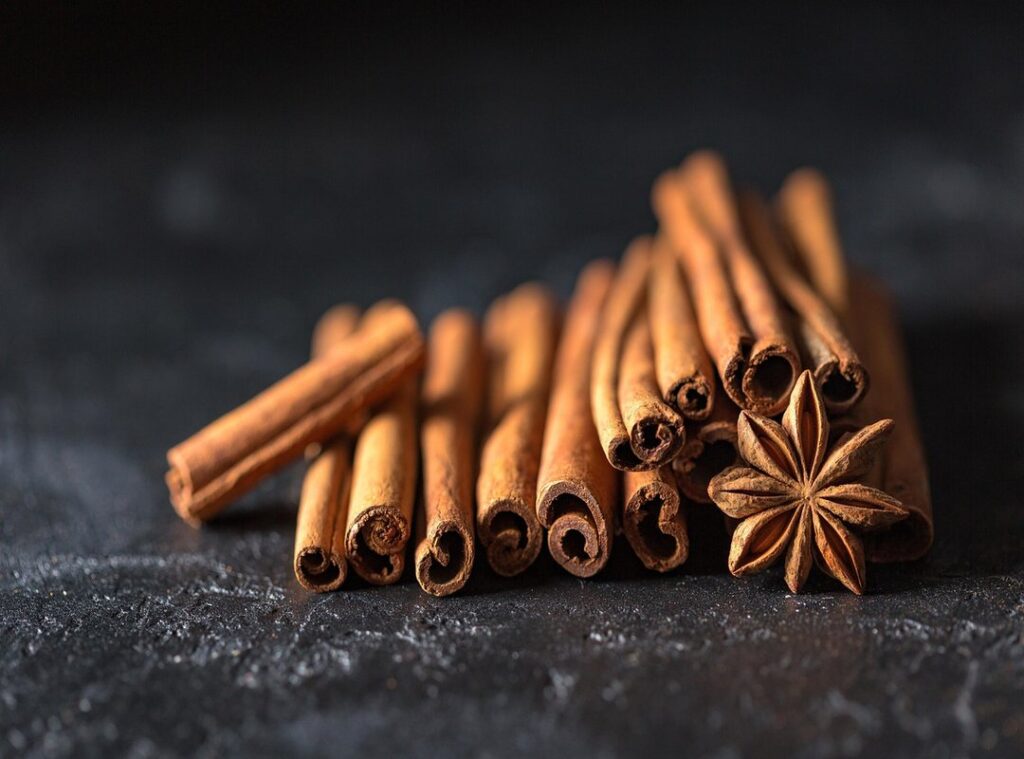
Ever tried spice layering? It’s about creating depth, not just one dominant note. Take a chai-inspired blend: cardamom, cinnamon, clove, and star anise.
These spices together create a harmony rather than a cacophony. It’s like a well-tuned orchestra. Each spice plays its part.
The result? A complex and deeply satisfying flavor profile.
These combos? They’re guaranteed hits.
And since we’re sharing secrets, here’s a small list of “power-trio” spice blends you should try. Think Cumin, Coriander, and Turmeric for an Indian touch. Or Smoked Paprika, Garlic Powder, and Oregano for Spanish flair.
If you’re still curious about how to master these flavors, then you might want to check out these infusing flavors tips. Because let’s be honest, nothing beats nailing the perfect blend.
Secret Weapons: Infusing Flavor with Surprising Ingredients
Who doesn’t want to create dishes with unforgettable depth? Using brewed liquids as a base is like having a secret weapon in your kitchen. Strongly brewed black tea or spiced chai concentrate can transform a marinade or braising liquid.
They add tannins and complexity that water or stock just can’t compete with.
Brewed tea isn’t where the magic stops. Fermented ingredients are next-level. Think about miso paste, gochujang, or just a splash of fish sauce.
These ingredients offer an instant umami hit, making your soups, sauces, and dressings unforgettable. They’re not just ingredients; they’re flavor bombs.
Concentrated vegetable and fruit products? Absolutely important. Tomato paste or pomegranate molasses provide intense foundational flavors.
Caramelizing them deepens this even further. It’s the difference between a dish that’s good and one that’s remarkable. You want bold flavors?
This is how you get them.
Let’s talk specifics. How about Chai-Braised Short Ribs? Picture this: short ribs soaking up that spiced chai brew, breaking down into tender perfection.
It’s not just a dish; it’s an experience. This technique will have your guests asking for your secret. You might even want to explore improving cooking infused butters to add another layer of complexity.
The world of infusing flavors tips is vast. But knowing these secret weapons, you’re armed for culinary greatness. The kitchen is your domain, and these ingredients are your tools.
So, what are you waiting for? Dive in, experiment, and taste the difference. Your palate will thank you.
The Final Flourish: Texture and Temperature
You ever bite into something and think, “Wow, that’s good,” but you can’t quite pinpoint why? That’s texture doing its magic. Sure, we talk a lot about flavor but texture is the secret weapon.
It’s what makes a dish memorable. And don’t get me started on temperature (it’s) like the dramatic pause in a movie. You need it.
And freshness? You can’t beat a squeeze of citrus or a sprinkle of herbs. These are your infusing flavors tips to make a dish sing.
Let’s be real. Crunchy toasted nuts or crispy fried shallots can raise your dish from bland to grand. A dollop of yogurt or a swirl of coconut cream brings in that creamy contrast.
Now, think about temperature. Ever tried a scoop of cold ice cream on a warm brownie? It’s a game-changer.
That cool herbed yogurt on a hot, spicy curry? It’s the unexpected twist that keeps you coming back. Temperature isn’t just about hot or cold.
It’s about the dance between the two.
In the end, flavor enhancement is a full sensory experience. So why overlook texture and temperature? They’re the unsung heroes that make food an adventure.
Have you been missing out?
Spice Up Your Cooking Game
Sick of bland meals? I get it. You’re here for infusing flavors tips because you’re ready to transform your cooking.
Forget tossing in a random spice. It’s about mastering the art of layering flavors. Start with basic tastes and build with aromatics and textures.
Don’t settle for uninspired dishes when you could create something extraordinary. Challenge yourself. Pick a new technique or ingredient from this article.
Try it out this week. Discover your own signature flavor. Need proof?
Countless readers have spiced up their kitchen game this way. Ready to join them? Dive in and revolutionize your meals now.
 There is a specific skill involved in explaining something clearly — one that is completely separate from actually knowing the subject. Jennifer Thorpecania has both. They has spent years working with chai-focused recipes and flavors in a hands-on capacity, and an equal amount of time figuring out how to translate that experience into writing that people with different backgrounds can actually absorb and use.
Jennifer tends to approach complex subjects — Chai-Focused Recipes and Flavors, Flavor Buzz, Infused Cooking Tips and Hacks being good examples — by starting with what the reader already knows, then building outward from there rather than dropping them in the deep end. It sounds like a small thing. In practice it makes a significant difference in whether someone finishes the article or abandons it halfway through. They is also good at knowing when to stop — a surprisingly underrated skill. Some writers bury useful information under so many caveats and qualifications that the point disappears. Jennifer knows where the point is and gets there without too many detours.
The practical effect of all this is that people who read Jennifer's work tend to come away actually capable of doing something with it. Not just vaguely informed — actually capable. For a writer working in chai-focused recipes and flavors, that is probably the best possible outcome, and it's the standard Jennifer holds they's own work to.
There is a specific skill involved in explaining something clearly — one that is completely separate from actually knowing the subject. Jennifer Thorpecania has both. They has spent years working with chai-focused recipes and flavors in a hands-on capacity, and an equal amount of time figuring out how to translate that experience into writing that people with different backgrounds can actually absorb and use.
Jennifer tends to approach complex subjects — Chai-Focused Recipes and Flavors, Flavor Buzz, Infused Cooking Tips and Hacks being good examples — by starting with what the reader already knows, then building outward from there rather than dropping them in the deep end. It sounds like a small thing. In practice it makes a significant difference in whether someone finishes the article or abandons it halfway through. They is also good at knowing when to stop — a surprisingly underrated skill. Some writers bury useful information under so many caveats and qualifications that the point disappears. Jennifer knows where the point is and gets there without too many detours.
The practical effect of all this is that people who read Jennifer's work tend to come away actually capable of doing something with it. Not just vaguely informed — actually capable. For a writer working in chai-focused recipes and flavors, that is probably the best possible outcome, and it's the standard Jennifer holds they's own work to.