
Chai. It’s not just a drink. It’s a ritual, a moment of comfort in a cup.
But getting the perfect chai spice blend? That’s a whole different beast. You might think you can just toss a few spices together, but trust me, it’s more complicated.
Does it seem like every blend you’ve tried falls flat? I’ve been there, drowning in mediocre chai, and it’s frustrating. You deserve better.
The balance of flavors is key. Too much cardamom overpowers. Too little ginger, and you lose that warm kick.
It’s not just about throwing stuff in a pot and hoping for the best. (I’ve tried that. Spoiler: it didn’t work.) We’ve consulted top culinary minds, those who live and breathe chai, to crack this code. Why struggle when you can learn from the experts?
In this article, you’ll discover how to create a chai blend that sings. No more guessing. Just perfect chai every time.
The Core Quartet: Masala Chai’s Non-Negotiable Pillars
Let’s get straight to it. You can’t make a perfect chai spice blend without the essentials: green cardamom, cinnamon, fresh ginger, and cloves. These spices are the backbone of any authentic masala chai.
Trust me, I’ve tried cutting corners, and it just doesn’t work.
Green cardamom, the “Queen of Spices.” It’s the aromatic heart of the blend. With its sweet, floral, and slightly menthol notes, it brings a complexity that no other spice can match. When you take a sip, it’s the cardamom that dances on your palate, leaving you wanting more.
Cinnamon is next. But not just any cinnamon (Cassia.) It’s got a bold, spicy-sweet character that stands up to milk and tea. Ceylon cinnamon?
Too mild for this job. Cassia brings the punch needed to balance everything out.
Then there’s fresh ginger, the “Fiery Soul.” Its pungent, warming heat is what cuts through the creaminess of the milk. It provides that key ‘kick’ you need in every cup. Without it, your chai feels flat.
Finally, cloves, the “Pungent Depth.” Their intense, sweet-astringent flavor adds medicinal warmth and complexity. But here’s a pro tip: use them sparingly. Too many can overpower the blend and ruin the experience.
If you’re all about crafting iced chai beverages twist, these spices are your best friends. They make the difference between a bland cup and a memorable experience. So, are you ready to brew the perfect chai?
Spice Up Your Chai: Raise with Complexity
Let’s talk about the next level of chai mastery. It’s all about layers. Adding secondary spices is where the magic happens.
Why stick to the basics when you can create a symphony of flavors? You want that perfect chai spice blend, don’t you? Of course, you do.
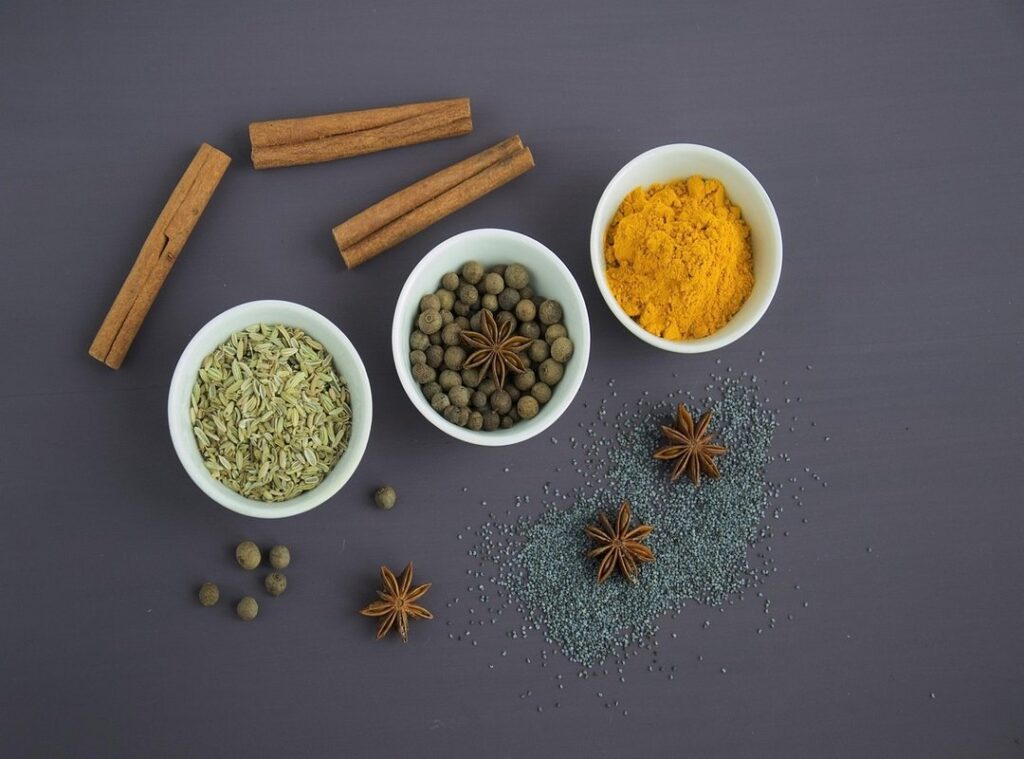
Ever tried star anise? It’s sweet, with a hint of licorice. Pair it with cinnamon, and you’ve got a sweetly aromatic brew.
It’s like chai’s secret ingredient (adds) depth without overpowering. Then there’s black peppercorns. They bring a sharp, piquant heat.
Not like ginger’s warmth, but a punchy edge. Important in traditional Indian recipes, peppercorns don’t just flavor your chai. They aid digestion too.
Good for the tummy, good for the soul.
And fennel seeds? Oh, they’re underrated. These little seeds are gentle, sweet with a whisper of anise flavor.
They brighten up the whole blend. It’s like a surprise burst of sunshine in your cup. Nutmeg or mace is a finishing touch.
Freshly grated, it’s warm, nutty, slightly sweet. Preserve its delicate aroma by adding it last. Imagine sipping on this complex, layered chai on a crisp morning.
That’s what I call a perfect start.
Pro tip: don’t overdo it. Balance is key. Too much of one spice, and you’ll overpower the rest.
Trust me, subtlety is your friend here. There’s a whole world of spices waiting to transform your chai. Ready to explore?
The Art of the Ratio: Finding Your Signature Spice Balance
Creating the perfect chai spice blend is like painting. You have your colors, or in this case, spices, and it’s all about finding that balance. But how much of each to use?
That’s where most folks get stuck. You start with a classic balanced ratio: 3 parts cinnamon, 2 parts ginger, 1 part cardamom, and 0.5 part everything else. Think of this as your canvas.
It’s a reliable foundation, not a rigid rule.
Want to tweak it? Of course you do. For a spicier kick, just bump up the ginger and black pepper.
Looking for a sweeter, aromatic brew? Add more cinnamon, cardamom, and fennel. And if you’re going for a dark, moody chai, increase those cloves and star anise.
It’s all about your taste.
You might wonder, isn’t there a perfect combination? Sure, but it’s personal. Your ideal blend might not be mine.
That’s the beauty of chai (and life, really). You have the freedom to experiment. Change it up.
Try something new. Speaking of new, ever thought about using your blend in desserts? Check out these unique chai dessert recipes try.
They’re a game-changer.
Pro tip: Always taste as you go. Spices can surprise you and not always in a good way. Adjust until it sings to you.
This journey of finding your signature spice balance is as much about discovery as it is about flavor. So, get blending. Enjoy the process.
Your perfect chai awaits.
Beyond Tradition: Creative Fusions for the Modern Chai Enthusiast
You ever feel like your chai is missing that special something? I sure have. Crafting the perfect chai spice blend is an art.
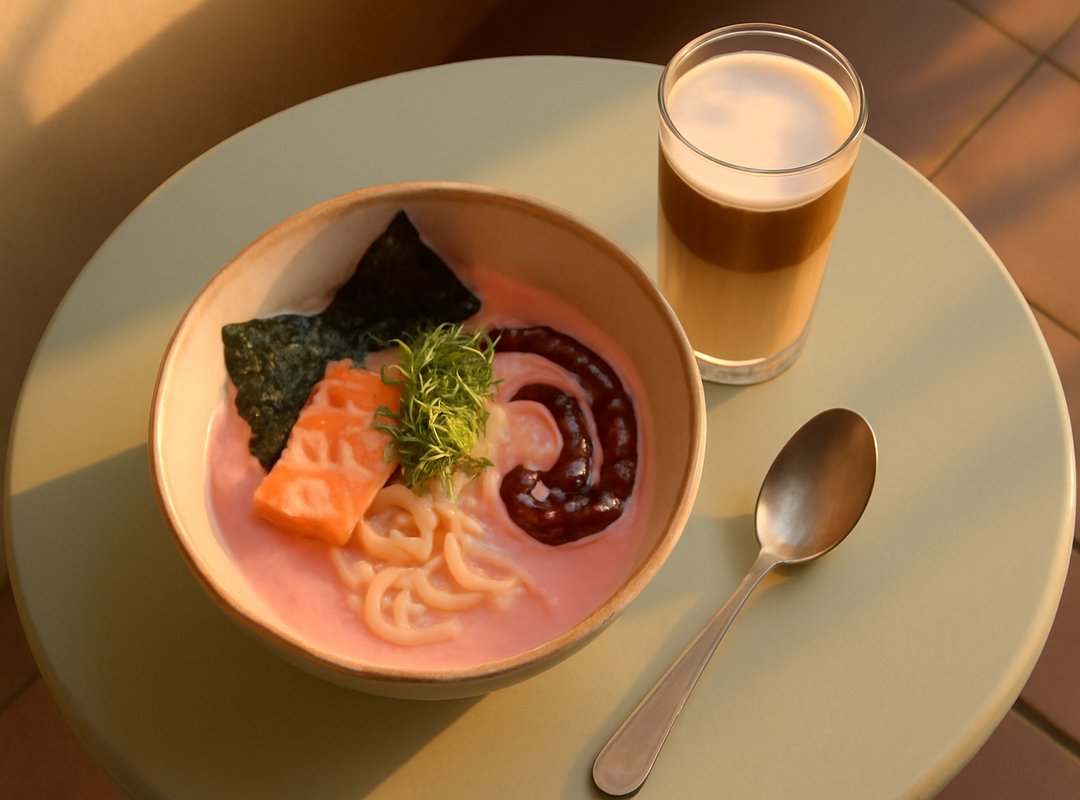
It’s all about pushing boundaries, while keeping the heart of chai intact. It’s like cooking with jazz in the background (you) hit the right notes, but you improvise too.
to some fun. Have you tried adding dried orange peel? It adds a pop of citrus that wakes up your senses.
Perfect for cutting through the richness of the traditional spices. Then there’s cacao nibs. They bring a deep, slightly bitter chocolatey undertone, making your chai feel like dessert in a cup.
Vanilla bean is a classic twist. Its creamy sweetness smooths out those sharp spice notes, creating a blend that’s as comforting as it is intriguing. And if you’re feeling adventurous, toss in some turmeric. does it give your chai a lively golden hue, but it also layers in earthy notes.
Pink peppercorns? Absolutely. They offer a delicate, fruity heat (nothing) like the aggressive punch of black pepper.
Your taste buds will thank you.
It’s subtle, yet adds dimension. So, why not experiment? Mix these accents into your blend and find your signature flavor.
Pro tip: Start with small quantities. Adjust as you go. This way, you can find that sweet spot without overwhelming the traditional chai spices.
Technique Matters: Toasting and Grinding for Maximum Flavor
If you’re aiming for the perfect chai spice blend, the secret lies in the way you handle your spices. Toasting whole spices is a game-changer. Why?
It wakes up those volatile oils (the ones responsible for the aroma) and makes your blend fragrant.
Here’s what you do: toss your whole spices into a dry pan over medium heat. Give them 2-3 minutes until they’re releasing that warm, inviting scent. Let them cool completely before moving on.
Grinding fresh spices just before brewing is a must. Use a spice grinder or even a mortar and pestle. This ensures your spices pack a punch, unlike those sad pre-ground ones sitting on the shelf.
Store these toasted treasures in an airtight container. Grind only what you need for a week or two. Trust me, this step keeps flavors at their peak.
Ready to raise your chai game? Now you know how.
Brew Your Own Chai Adventure
You’ve got the secrets now. Not just a recipe, but the know-how to create your own perfect chai spice blend. Remember that endless search for the ideal chai?
You’ve cracked it. The magic lies in understanding each spice and mastering the balance. It’s not just about taste.
It’s about creating a moment in a cup. Ready to dive in? Head to your kitchen.
Gather those spices. Start experimenting. Craft your perfect cup.
Don’t just take my word for it, experience it. Your chai journey starts now. Discover, taste, and enjoy.
What are you waiting for? Brew it today.
 There is a specific skill involved in explaining something clearly — one that is completely separate from actually knowing the subject. Jennifer Thorpecania has both. They has spent years working with chai-focused recipes and flavors in a hands-on capacity, and an equal amount of time figuring out how to translate that experience into writing that people with different backgrounds can actually absorb and use.
Jennifer tends to approach complex subjects — Chai-Focused Recipes and Flavors, Flavor Buzz, Infused Cooking Tips and Hacks being good examples — by starting with what the reader already knows, then building outward from there rather than dropping them in the deep end. It sounds like a small thing. In practice it makes a significant difference in whether someone finishes the article or abandons it halfway through. They is also good at knowing when to stop — a surprisingly underrated skill. Some writers bury useful information under so many caveats and qualifications that the point disappears. Jennifer knows where the point is and gets there without too many detours.
The practical effect of all this is that people who read Jennifer's work tend to come away actually capable of doing something with it. Not just vaguely informed — actually capable. For a writer working in chai-focused recipes and flavors, that is probably the best possible outcome, and it's the standard Jennifer holds they's own work to.
There is a specific skill involved in explaining something clearly — one that is completely separate from actually knowing the subject. Jennifer Thorpecania has both. They has spent years working with chai-focused recipes and flavors in a hands-on capacity, and an equal amount of time figuring out how to translate that experience into writing that people with different backgrounds can actually absorb and use.
Jennifer tends to approach complex subjects — Chai-Focused Recipes and Flavors, Flavor Buzz, Infused Cooking Tips and Hacks being good examples — by starting with what the reader already knows, then building outward from there rather than dropping them in the deep end. It sounds like a small thing. In practice it makes a significant difference in whether someone finishes the article or abandons it halfway through. They is also good at knowing when to stop — a surprisingly underrated skill. Some writers bury useful information under so many caveats and qualifications that the point disappears. Jennifer knows where the point is and gets there without too many detours.
The practical effect of all this is that people who read Jennifer's work tend to come away actually capable of doing something with it. Not just vaguely informed — actually capable. For a writer working in chai-focused recipes and flavors, that is probably the best possible outcome, and it's the standard Jennifer holds they's own work to.