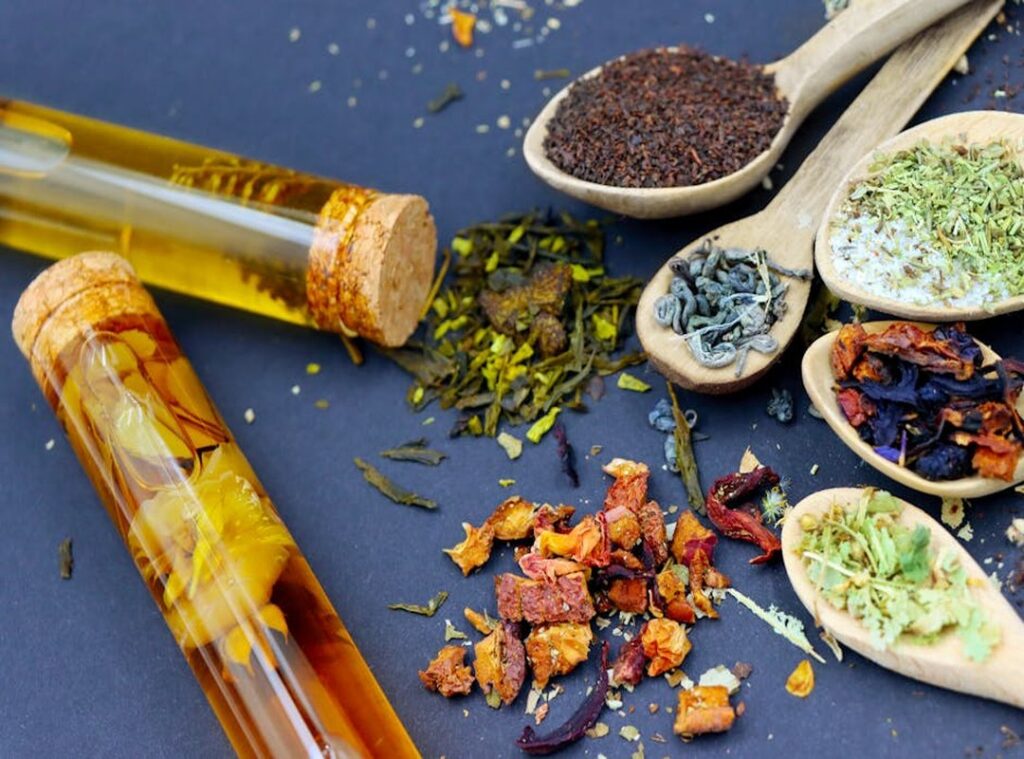

Ever cook a meal that tastes just fine but falls flat on that ‘wow’ factor? I get it. We all crave dishes that dazzle, not just satisfy. my secret weapon steps in: artisan-infused oils.
These oils transform everyday meals into culinary experiences. Trust me, I’ve spent years diving deep into flavor fusion (think complex spices and botanicals).
You might be wondering, “What’s so special about them?” Well, they take your cooking to another level. I’m here to guide you on exactly how to make homemade infused oils that aren’t just good but unforgettable. You’ll learn to craft your own unique, show-stopping versions with unexpected ingredients.
Stick around, and I’ll show you exactly how to raise your home cooking into something truly remarkable.
Artisan Oils: The Real Deal
What does “artisan” mean when we’re talking about infused oils? It’s more than just a fancy label. It’s about craft, quality, and intention.
Mass-produced oils often rely on extracts or artificial flavors, which is a shortcut that sacrifices authenticity. True artisan oils? They start with a quality base like extra virgin olive oil, not some generic neutral oil.
Ever notice how some oils taste flat or one-dimensional? That’s because they’re missing the touch of fresh, well-sourced ingredients. Think heirloom garlic, fresh-picked herbs, or single-origin spices.
These aren’t just buzzwords. They matter. When you use ingredients that have a story and a place, you get depth and character in every drop.
Let’s talk about terroir. You might have heard this term with wine, but it applies here too. It’s the idea that where something is grown affects its flavor.
A chili from New Mexico isn’t the same as one from Thailand. And that difference can make or break your oil. It’s about creating a flavor that’s balanced and complex, not just a hit-you-over-the-head single note.
If you’re diving into homemade infused oils, don’t just toss in whatever’s on hand. Be intentional. Choose ingredients that speak to you and your palate.
The goal is a subtle profile, something that makes you pause and savor.
Want to dive deeper into this world? Check out some Quick Hacks Infusing Spices Dishes. It’s all about elevating your game with the right techniques.
No shortcuts. Just pure, passionate craftsmanship.
The Foundation: Choosing Your Canvas and Method
Let’s talk about base oils (a) subject I’m passionate about because it makes or breaks your infusion. Extra Virgin Olive Oil (EVOO), avocado oil, and grapeseed oil are common choices. Each has its charm.
EVOO carries a peppery note and is best for salads or finishing dishes. Its smoke point is around 375°F, which makes it versatile but prone to burning if you’re not careful. Avocado oil, on the other hand, is buttery and has a high smoke point of nearly 520°F.
Perfect for frying or grilling if that’s your vibe. Grapeseed oil is neutral and delicate, great for those who don’t want the oil to overpower their dish. It handles about 420°F before starting to smoke.
You might be wondering, what’s my pick? Use a high-quality EVOO for most infusions. Its flavor profile complements, rather than competes with, the ingredients you’re adding.
Trust me, you want the added flavors to shine.
Now, how about hot vs. cold infusion? Two different beasts. Heat infusion involves gently warming the oil with your chosen ingredients.
Cold infusion is all about patience. Steep your ingredients at room temperature. This method preserves delicate flavors, like those of fresh basil.
It’s fast and extracts intense flavors, ideal for hearty ingredients like rosemary. But be cautious. Heat can scorch delicate flavors and sometimes leave a burnt taste if not watched closely.
But here’s the kicker: it takes longer. Plus, there’s a higher risk of spoilage if you’re working with ingredients that contain moisture.
Safety is key. I can’t stress this enough. Dried ingredients, especially garlic, are a must.
Using fresh ones in room-temperature infusions risks botulism. That’s a disaster waiting to happen. One misstep here and you’re playing with fire.
Thinking about making your own homemade infused oils? This is the way to go. Pick the right oil, choose the right method, and infuse away!
There’s something magical about homemade oils, especially when you’ve tailored them to your taste. Why settle for store-bought when you can create your own masterpiece?
Beyond the Garden: Infusing with Teas & Spices
You’ve mastered the garden basics. Basil, rosemary, thyme (sure,) they’re great. But let’s talk about taking flavors to the next level.
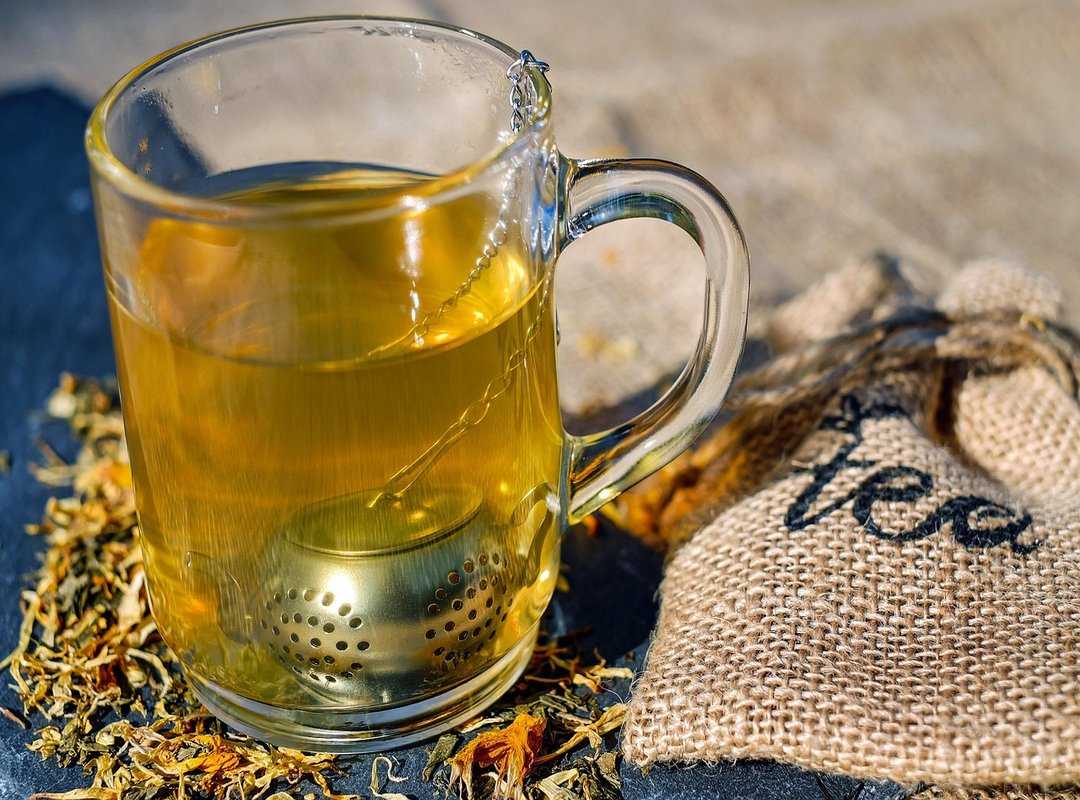
We’re diving into the world of homemade infused oils with teas and spices. This isn’t just cooking; it’s an art form. And trust me, once you start, you’ll wonder why you didn’t do it sooner.
First up, a Chai-Spiced Infusion. Picture this: whole spices like cinnamon, cardamom, star anise, and cloves gently toasted. Toasting releases their oils and intensifies their flavors.
Then, these spices meet a neutral oil (like) grapeseed (using) a heat infusion method. It’s simple. Just warm the oil, toss in the toasted spices, and let them mingle for an hour.
What do you get? An infusion perfect for roasted vegetables or drizzling over oatmeal. The ratio?
Go with a tablespoon of each spice to a cup of oil. Adjust to taste. You know what you like.
Next, let’s talk about Smoky Lapsang Souchong Oil. Lapsang Souchong is a tea like no other. Its pine-smoked leaves create an infusion that’s deeply savory and smoky.
Here’s the trick: use a cold infusion to avoid bitterness. Just steep the tea in room temperature oil for a day or two. Strain it out and you’ve got an oil destined for grilled meats or mushrooms.
Heck, even popcorn never tasted so gourmet. Keep it simple: 2 tablespoons of tea to a cup of oil.
Finally, Citrus & Green Tea Oil. This is where brightness meets subtlety. Dried citrus peel (think orange or lemon) combined with a quality Sencha green tea.
The result? An oil that’s lively and slightly grassy. Perfect as a finishing touch on fish or salads.
The ratio? About a tablespoon of dried peel and two of tea to a cup of oil.
Want more on the secrets perfectly infusing flavors? It’s all about experimentation. So, dive in.
Infusing isn’t just a technique. It’s a revelation. Once you start playing with these flavors, you’ll see why homemade is always better.
Mastering Homemade Infused Oils: The Right Pairings
Using homemade infused oils is an art. These oils aren’t for cooking. They’re finishing oils.
Use them wrong and you’ll overpower your dish. Trust me, I’ve learned this the hard way.
Your oils should be like the best supporting actor. They boost, not overshadow. So let’s talk pairings.
Spicy or chili oils, they’re fantastic drizzled on pizza or pasta. Want to jazz up your eggs or noodle soups? They’re perfect.
Herbaceous oils, think rosemary or thyme, are best friends with focaccia and roasted potatoes. They give lamb and white bean dips a lovely lift. But don’t even think about frying with them.
Delicate oils deserve better.
Exotic oils like chai or cardamom? They dance beautifully on roasted squash and sweet potatoes. Even grilled chicken benefits.
And yes, try them on vanilla ice cream. It’s unexpected but divine.
Citrus oils are for grilled fish and seafood. They’re the zing in your salads and vinaigrettes. Remember, these oils are your finishing touch.
Use them wisely.
Spice Up Your Culinary Adventures
Bored of bland meals? You’ve got the power to change that. With the knowledge you’ve gained, you can create restaurant-quality dishes right at home.
The key is in your hands: quality base oils combined with creative ingredients like teas and spices. Why settle for mediocrity when culinary excitement is just a few infusions away?
Start with one of the infusion ideas from the article. This week, make your move with homemade infused oils. You’re not just cooking; you’re crafting your signature flavors.
Ready to transform your kitchen? Dive into this flavor infusion journey now. Your taste buds will thank you.
 There is a specific skill involved in explaining something clearly — one that is completely separate from actually knowing the subject. Jennifer Thorpecania has both. They has spent years working with chai-focused recipes and flavors in a hands-on capacity, and an equal amount of time figuring out how to translate that experience into writing that people with different backgrounds can actually absorb and use.
Jennifer tends to approach complex subjects — Chai-Focused Recipes and Flavors, Flavor Buzz, Infused Cooking Tips and Hacks being good examples — by starting with what the reader already knows, then building outward from there rather than dropping them in the deep end. It sounds like a small thing. In practice it makes a significant difference in whether someone finishes the article or abandons it halfway through. They is also good at knowing when to stop — a surprisingly underrated skill. Some writers bury useful information under so many caveats and qualifications that the point disappears. Jennifer knows where the point is and gets there without too many detours.
The practical effect of all this is that people who read Jennifer's work tend to come away actually capable of doing something with it. Not just vaguely informed — actually capable. For a writer working in chai-focused recipes and flavors, that is probably the best possible outcome, and it's the standard Jennifer holds they's own work to.
There is a specific skill involved in explaining something clearly — one that is completely separate from actually knowing the subject. Jennifer Thorpecania has both. They has spent years working with chai-focused recipes and flavors in a hands-on capacity, and an equal amount of time figuring out how to translate that experience into writing that people with different backgrounds can actually absorb and use.
Jennifer tends to approach complex subjects — Chai-Focused Recipes and Flavors, Flavor Buzz, Infused Cooking Tips and Hacks being good examples — by starting with what the reader already knows, then building outward from there rather than dropping them in the deep end. It sounds like a small thing. In practice it makes a significant difference in whether someone finishes the article or abandons it halfway through. They is also good at knowing when to stop — a surprisingly underrated skill. Some writers bury useful information under so many caveats and qualifications that the point disappears. Jennifer knows where the point is and gets there without too many detours.
The practical effect of all this is that people who read Jennifer's work tend to come away actually capable of doing something with it. Not just vaguely informed — actually capable. For a writer working in chai-focused recipes and flavors, that is probably the best possible outcome, and it's the standard Jennifer holds they's own work to.