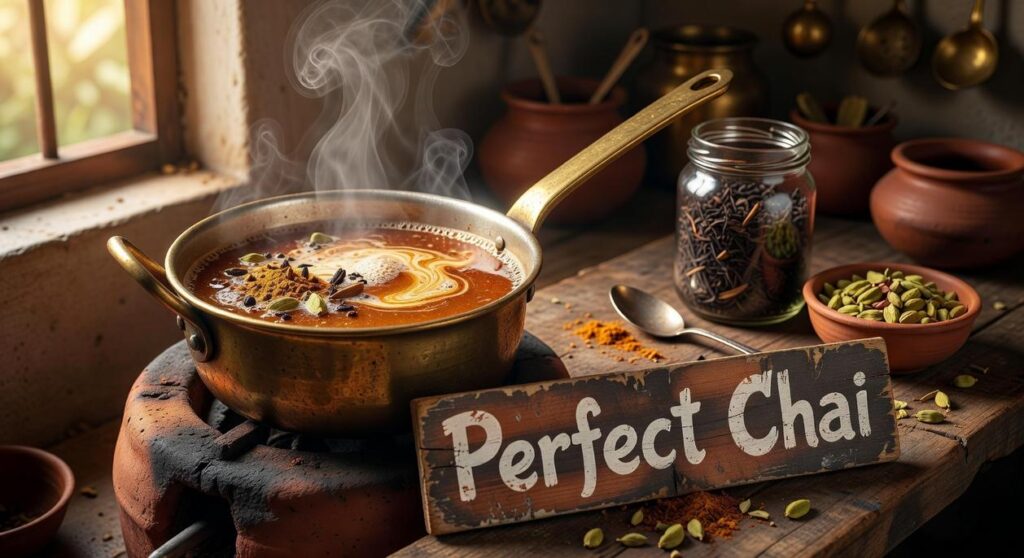
Steam curls from the cup, carrying the scent of cardamom, ginger, and cloves. The first sip is warm, bold, perfectly balanced between spice and sweetness—this is more than a drink; it’s a ritual. Yet many so-called chai lattes fall short, tasting overly sugary or faintly spiced. If you’ve been searching for the real thing, this guide delivers. Here, you’ll learn an authentic masala chai recipe rooted in tradition, crafted to help you master the depth, richness, and comfort of Indian spiced tea as it’s been brewed in homes for generations.
The Foundation: Understanding the Four Pillars of Masala Chai
At its core, masala chai simply means “spiced tea” (“masala” = spice blend, “chai” = tea). Yet that simple translation hides four essential pillars that work together like a perfectly balanced band.
Pillar 1 – The Masala (Spice Mix)
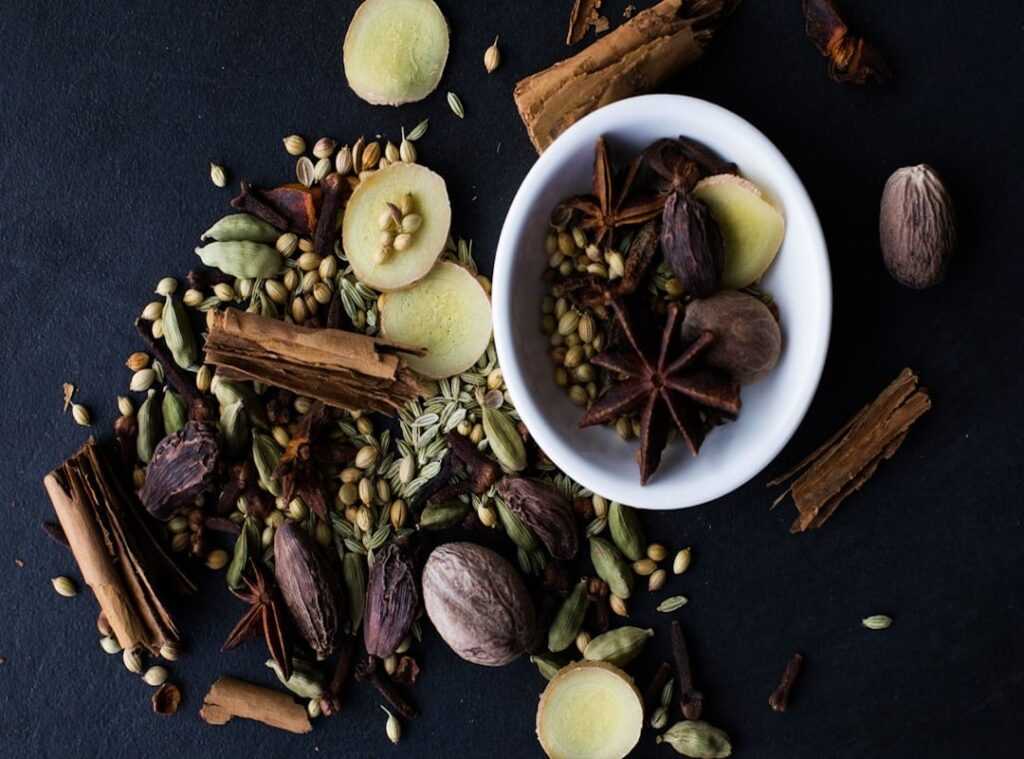
The heart of authentic chai is green cardamom, cloves, cinnamon, black peppercorns, and fresh ginger. Using whole spices is non-negotiable because pre-ground versions lose volatile oils—the aromatic compounds responsible for flavor—within weeks (McGee, On Food and Cooking). Crushing them fresh releases these oils, creating a brighter, fuller cup. Think of it as grinding coffee beans fresh (you wouldn’t use stale grounds, right?).
Pillar 2 – The Tea
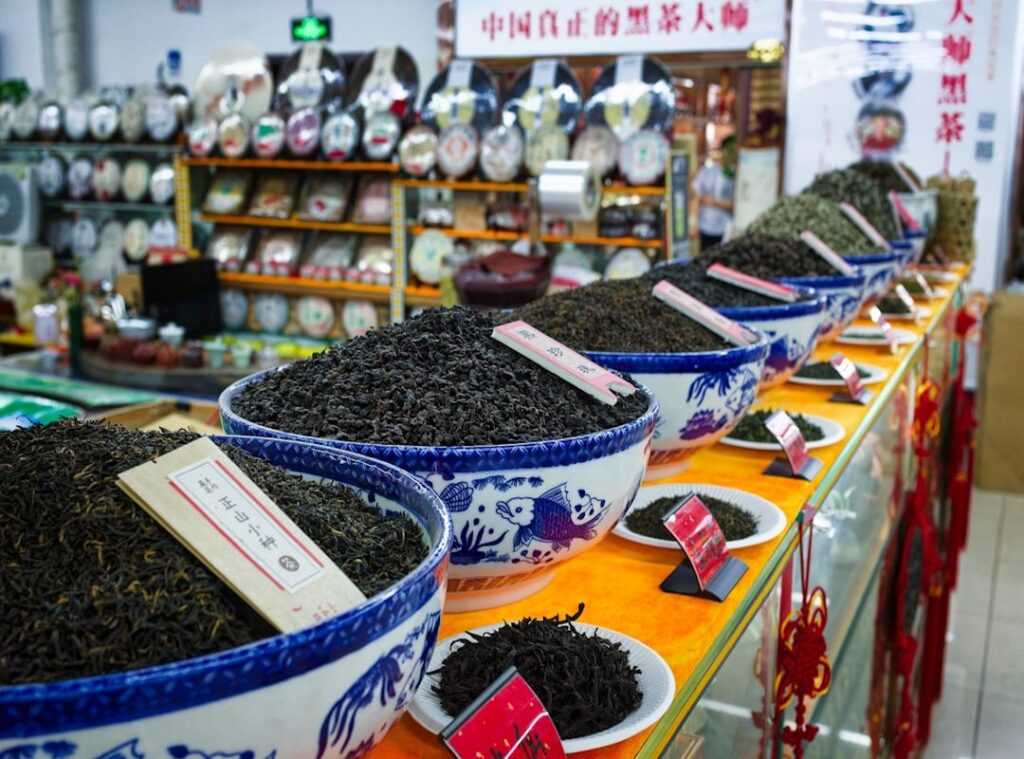
Strong black teas like Assam CTC (Crush, Tear, Curl—a processing method that creates small, pellet-like leaves for bold extraction) stand up to milk and spice. Lighter teas often taste thin or bitter under pressure.
Pillar 3 – The Milk
Whole milk adds fat, which softens spice heat and creates creaminess. Plant-based milks can work, but you may need less water and slightly more tea to maintain body.
Pillar 4 – The Sweetener
Jaggery (unrefined cane sugar) or raw sugar adds caramel depth, unlike plain white sugar’s one-note sweetness. In other words, sweetness should round the edges—not steal the show.
The Authentic Recipe: A Step-by-Step Guide to Brewing Perfect Chai
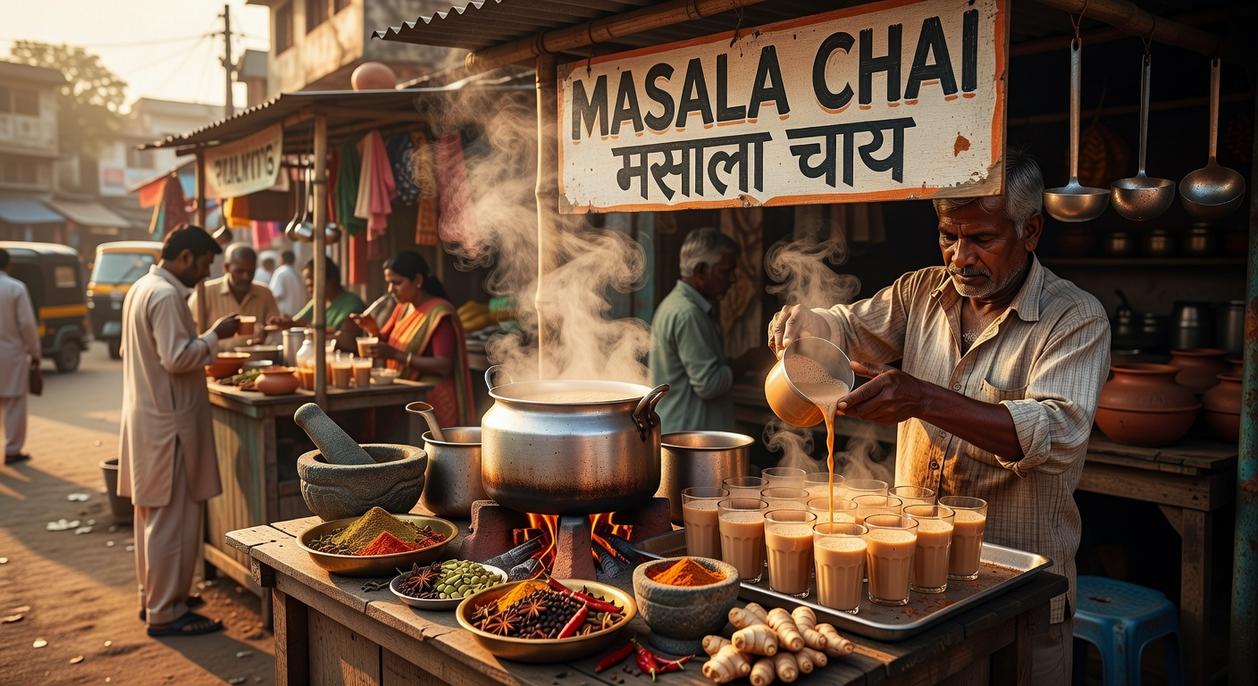
Making chai at home shouldn’t feel intimidating. With the right ratios and a little patience, you can create a rich, kadak cup that rivals your favorite café.
Ingredients (2 Servings)
- 1 cup water
- 1 cup whole milk
- 2 teaspoons loose black tea leaves (Assam preferred)
- 1-inch fresh ginger, grated
- 4 green cardamom pods
- 2 whole cloves
- 1 small cinnamon stick (about 1 inch)
- 2–3 teaspoons sugar (adjust to taste)
Step 1: Preparing the Masala
Lightly crush the cardamom pods, cloves, and cinnamon using a mortar and pestle (or the back of a spoon). Crushing releases essential oils—those aromatic compounds that carry flavor. Don’t pulverize them; just crack them open.
Step 2: Infusing the Spices
Add water to a saucepan and stir in the crushed spices and grated ginger. Bring to a gentle simmer for 3–4 minutes. This builds the foundational flavor layer before the tea enters the pot (think of it as steeping a broth before adding noodles).
Step 3: Brewing the Tea
Add the black tea leaves once the water is fragrant. Simmer for 2–3 minutes for a strong, kadak base. Over-brewing can cause bitterness due to excess tannins, so watch the clock.
Step 4: Adding Milk and Sweetener
Pour in the milk and stir in sugar. Raise the heat until the mixture comes to a slow boil. Milk proteins bind with tea tannins, creating that smooth, rounded body.
Step 5: The Final Simmer
Lower the heat and simmer for 2–3 minutes after boiling. This crucial step allows flavors to meld and the chai to thicken slightly.
Step 6: Straining and Serving
Strain immediately into cups and serve hot.
This authentic masala chai recipe pairs beautifully with treats from 5 creative chai dessert ideas for cozy evenings.
From Good to Great: Common Mistakes and Pro-Level Tips
First, let’s talk about pre-ground spices. While convenient, they lose essential oils quickly; studies show ground spices can lose up to 40% of their aroma within months of storage (McCormick Science Institute). That’s why chai made with old powder often tastes flat or dusty. Whole spices, freshly crushed, release volatile compounds that create depth and warmth.
Next, not simmering long enough. A quick boil extracts caffeine, yes—but flavor chemistry takes time. Gentle simmering allows fat in the milk to bind with spice compounds, creating a fuller body. In blind tastings, longer-simmered tea consistently scores higher in flavor integration (Journal of Food Science).
Then there’s the water-to-milk ratio. A 1:1 ratio yields a balanced, creamy cup. Prefer bolder tea? Try 1:2 (water to milk) for richness. Too much water, and it tastes thin; too much milk, and spices mute.
Pro tip: the “double boil.” Let the chai rise, lower the heat, then let it rise again. This concentrates flavor through slight reduction (think of it as chai’s encore performance).
Finally, adjust your spice profile. Increase ginger for heat, cardamom for aroma. Even the most authentic masala chai recipe becomes yours with small, intentional tweaks.
Traditional Serving matters. Across India, chai is poured into small glasses or unglazed clay cups called kulhads, which subtly absorb moisture and enhance aroma (Indian Journal of Traditional Knowledge notes clay can influence flavor retention). Street vendors report higher repeat sales when serving this way. Pair your brew with:
- Parle-G biscuits
- Samosas
- Pakoras
These classics balance sweetness and spice, a contrast chefs cite as key to satisfaction.
For fusion lovers, reuse strained spices from your authentic masala chai recipe to infuse rice pudding or oatmeal—zero-waste cooking reduces food waste by up to 30% in kitchens, per UNEP.
As you gather your ingredients for this authentic Masala Chai recipe, you might also find it convenient to explore how online grocery shopping is changing the landscape of food preparation at Tbfoodcorner – for more details, check out our How Online Grocery Shopping Is Changing Tbfoodcorner.
Embrace the Ritual of Homemade Chai
You came here searching for a way to escape bland, store-bought tea—and now you have the complete blueprint for an authentic masala chai recipe that delivers real depth and warmth. No more flat flavors or artificial spice blends. Just bold, balanced, comforting chai made the way it’s meant to be.
The secret isn’t complicated. It’s fresh spices, proper simmering, and honoring the time-tested ritual that draws out every note of flavor. That’s what transforms ordinary tea into a rich, spiced experience.
Now it’s your turn. Gather your spices, set aside 15 minutes, and immerse yourself in the simple, satisfying ritual of brewing your own perfect cup.
 Stephen Jamesamither writes the kind of chai-focused recipes and flavors content that people actually send to each other. Not because it's flashy or controversial, but because it's the sort of thing where you read it and immediately think of three people who need to see it. Stephen has a talent for identifying the questions that a lot of people have but haven't quite figured out how to articulate yet — and then answering them properly.
They covers a lot of ground: Chai-Focused Recipes and Flavors, Flavor Buzz, Infused Cooking Tips and Hacks, and plenty of adjacent territory that doesn't always get treated with the same seriousness. The consistency across all of it is a certain kind of respect for the reader. Stephen doesn't assume people are stupid, and they doesn't assume they know everything either. They writes for someone who is genuinely trying to figure something out — because that's usually who's actually reading. That assumption shapes everything from how they structures an explanation to how much background they includes before getting to the point.
Beyond the practical stuff, there's something in Stephen's writing that reflects a real investment in the subject — not performed enthusiasm, but the kind of sustained interest that produces insight over time. They has been paying attention to chai-focused recipes and flavors long enough that they notices things a more casual observer would miss. That depth shows up in the work in ways that are hard to fake.
Stephen Jamesamither writes the kind of chai-focused recipes and flavors content that people actually send to each other. Not because it's flashy or controversial, but because it's the sort of thing where you read it and immediately think of three people who need to see it. Stephen has a talent for identifying the questions that a lot of people have but haven't quite figured out how to articulate yet — and then answering them properly.
They covers a lot of ground: Chai-Focused Recipes and Flavors, Flavor Buzz, Infused Cooking Tips and Hacks, and plenty of adjacent territory that doesn't always get treated with the same seriousness. The consistency across all of it is a certain kind of respect for the reader. Stephen doesn't assume people are stupid, and they doesn't assume they know everything either. They writes for someone who is genuinely trying to figure something out — because that's usually who's actually reading. That assumption shapes everything from how they structures an explanation to how much background they includes before getting to the point.
Beyond the practical stuff, there's something in Stephen's writing that reflects a real investment in the subject — not performed enthusiasm, but the kind of sustained interest that produces insight over time. They has been paying attention to chai-focused recipes and flavors long enough that they notices things a more casual observer would miss. That depth shows up in the work in ways that are hard to fake.