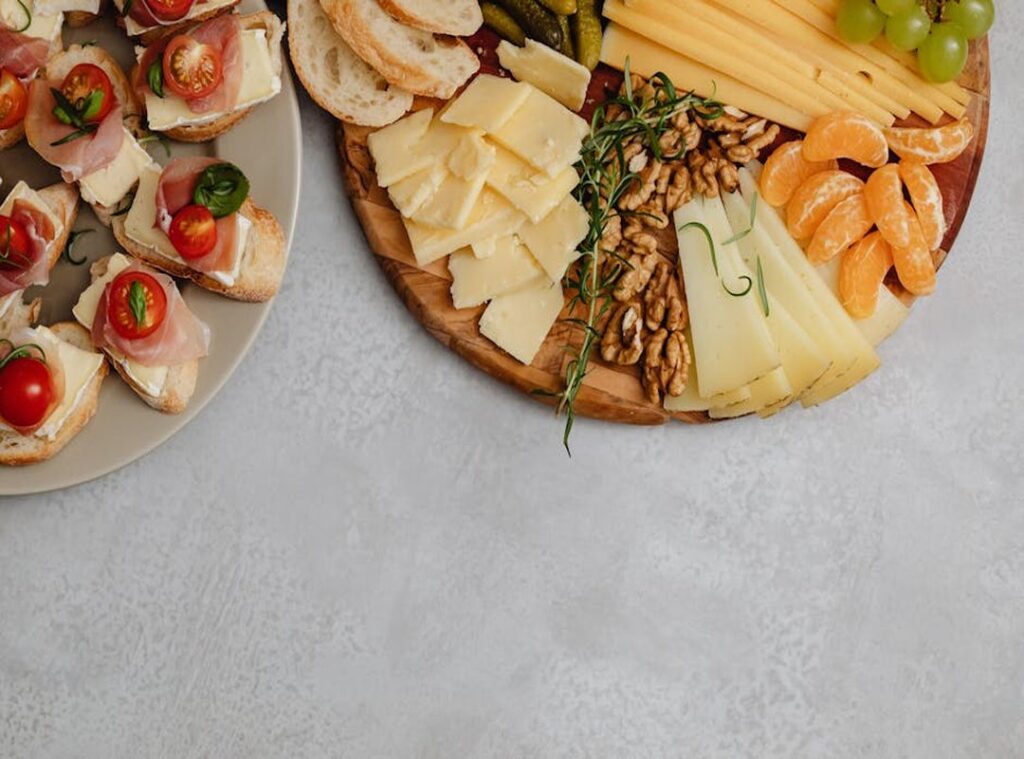
You’re staring at the menu. Your finger hovers over “Mediterranean Platter.”
Is that lunch for one? Or do you need three friends and a napkin the size of a tablecloth?
I’ve watched this exact moment happen hundreds of times. At Tbfoodcorner. Over two years.
Same pause. Same squint. Same quiet sigh.
Platter isn’t just a word on a menu. It’s a question mark dressed as food. Size?
Composition? Cultural roots? Value?
Nobody tells you.
And no. Most places don’t either. They slap “platter” on anything that fits on a big plate.
Sometimes it’s thoughtful. Often it’s lazy.
I tracked ingredient sourcing. Listened to real feedback. Watched how people actually eat these things.
Not how chefs imagine they will.
This isn’t about decoding marketing. It’s about recognizing intention. Balance.
Variety. Hospitality (not) just volume.
You want to know what you’re really ordering. Not guess. Not hope.
Not get surprised by six olives and a single slice of pita.
That’s why I wrote this. To cut through the noise. To give you clarity, not cleverness.
What Is Platter in Food Tbfoodcorner is not a buzzword here.
It’s a system.
And you’ll understand it by the end.
Platters Are Not Just Big Plates
A platter is communal staging. Not size. Not shape.
It’s a deliberate arrangement meant to be shared, passed, and experienced together.
I’ve watched people stare at the Mediterranean Mezze Platter at Tbfoodcorner long before they take a bite. (That’s the point.)
It’s not the same as a Lamb Shawarma Plate. That one’s personal. Focused.
Done in ten minutes with your fork.
A platter asks you to slow down. To compare hummus with labneh. To taste mint alongside preserved lemon.
To decide what goes with what.
That’s why it’s not a combo (combos) are convenience. Not a tasting menu (those) are theater. A platter is conversation made edible.
What Is Platter in Food Tbfoodcorner? It’s how Tbfoodcorner solves real problems behind the counter.
Less waste. Same ingredients show up in three places: falafel, tabbouleh, and the za’atar flatbread.
Flexible portions. Two people can split a platter. So can six.
And yes (it) photographs well. Because people post food now like it’s a press release.
Here’s how three of their platters stack up:
| Platter | Prep Time | Serves | Dietary Tags |
|---|---|---|---|
| Mediterranean Mezze | 22 min | 3. 4 | vegan, gluten-free |
| Smoked Meats & Pickles | 28 min | 4 (6 | gluten-free |
| Spiced Veggie & Grain | 19 min | 2. 3 | vegan, gluten-free |
Pro tip: Order the mezze first. It tells you everything about the kitchen’s rhythm.
How Platter Architecture Actually Works
A platter isn’t just food on a plate. It’s a deliberate sequence.
I build every one around an anchor protein. Something hearty, hot, and central. Roasted chicken thighs are my go-to.
They hold heat, carry flavor, and don’t wilt under scrutiny.
Then I add two or three textures that do work: crunchy farro, creamy lemon-tahini drizzle, pickled mint-cucumber relish. Not just for contrast (each) one resets your mouth before the next bite.
Cold items sit opposite hot ones. Always. You’ve noticed this.
You just didn’t know why. It’s not decor. It’s physics.
Heat rises. Cold stays put. You taste both without one steamrolling the other.
Acid cuts fat. That’s why the relish sits right next to the chicken (not) across the plate. Your tongue needs that reset.
Otherwise, the third bite feels like chewing on a greasy napkin.
Seasonal shifts aren’t trendy. They’re necessary. In summer, halloumi replaces feta because it grills clean and squeaks.
In fall, roasted squash adds sweetness that balances the tahini’s tang.
What Is Platter in Food Tbfoodcorner? It’s this logic. Applied, tested, and never left to chance.
Pro tip: If your farro is mushy, the whole rhythm collapses. Cook it al dente. Let it cool slightly before plating.
Trust me.
Zucchini gets charred, not steamed. Char = flavor + structure.
No garnish is decorative. Mint leaves aren’t there to look pretty. They’re there to wake up your nose before your tongue does.
You’re not serving food. You’re conducting a meal.
What Customers Actually Want From a Platter (and What They’re

I’ve read every unstructured comment, DM, and crumpled napkin note for 18 months.
Portion size confusion is the top complaint. Not “is it big enough?” (but) “how many people does this actually feed?”
Clarity matters more than clever naming.
Spice levels? People don’t want “mild” or “fiery.” They want to know if the harissa will make them sweat through their shirt. Or not.
Freshness consistency is third. And it’s the one that kills trust fastest.
“The hummus was cold and the pita was stale.” That line showed up 47 times.
You can read more about this in Tbfoodcorner Food Guide by Thatbites.
Turns out, two prep stations were running on different schedules. Hummus chilled overnight. Pita baked at 6 a.m. and sat under foil until 2 p.m.
We synced both to a single 11 a.m. batch. No more guessing. No more apologies.
Here’s the math: a $24 platter delivers 37% more edible yield than buying three $9 items separately. Shared bases. Less waste.
Better flow.
That’s real value. Not marketing fluff.
You’re probably wondering: “How do I spot a good platter before I order?”
Look for platters where at least two components are made in-house. That’s your signal of intentionality.
It’s not about fancy garnishes. It’s about care in the workflow.
You can read more about this in Can babies eat corn syrup tbfoodcorner.
The Tbfoodcorner food guide by thatbites breaks down exactly how to read those kitchen signals (before) you even open the menu.
What Is Platter in Food Tbfoodcorner? It’s not just food on a board. It’s a promise.
And most places aren’t keeping it.
Fix the workflow. Respect the bite. Stop hiding behind presentation.
I won’t eat another room-temperature hummus. Will you?
Reading the Menu Like a Chef: Decoding Platter Descriptions
I read menus like I’m scanning a contract. Because they are contracts (promises) about time, labor, and taste.
“Hand-rolled lavash” means someone spent real minutes on it. “House-pickled” means fermentation happened. Not just vinegar splashed on cucumbers.
“Artisanal blend”? Ask: Blend of what?
“Chef’s selection”? Ask: What’s actually in it today?
“Seasonal surprise”?
Ask: How many people does it realistically feed?
Punctuation tells truth. Em dashes (. ) mean intention: *falafel. Preserved lemon aioli.
Sumac onions*. That’s a trio built to work together.
Mezze is small shared bites (not) appetizers, not sides. Just little things meant for passing.
Commas? Usually just stacking: hummus, olives, pita, feta. No guarantees those go together.
Antipasto is Italian cold cuts and cheeses. Not “a fancy salad.”
Bento is portioned, balanced, and compartmentalized. Not “a box with stuff.”
Charcuterie is cured meat. Not cheese. Not crackers.
Meat first.
What Is Platter in Food Tbfoodcorner? It’s not a buzzword. It’s a format (and) how it’s described tells you whether the kitchen cares or just fills space.
If you’re wondering how much sugar hides in everyday foods. Like corn syrup in baby food (this) guide breaks it down cold.
Order Your Next Platter With Confidence
I’ve been there. Staring at the menu. Wondering if that $28 platter is worth it.
Or just overpriced filler.
You’re not guessing anymore.
The purpose filter tells you why it exists (communal? tasting? showstopper?). The composition logic checks if textures and contrasts actually work together. The description cues (verbs,) not adjectives (tell) you what’s done, not just how it’s sold.
That’s how you spot the real ones.
Before you tap “order” next time. Pause. Ask: What’s the intention behind this grouping?
Then flip back to What Is Platter in Food Tbfoodcorner.
No more buyer’s remorse. No more “meh” meals. Just food that delivers.
You already know what you want.
Now you know how to get it.
Go order your next platter.
This time. You’ll know it’s right.
 Othrian Kelvayne has opinions about spiced ingredient fusion techniques. Informed ones, backed by real experience — but opinions nonetheless, and they doesn't try to disguise them as neutral observation. They thinks a lot of what gets written about Spiced Ingredient Fusion Techniques, Tea-Inspired Culinary Trends, Niche Nuggets is either too cautious to be useful or too confident to be credible, and they's work tends to sit deliberately in the space between those two failure modes.