
If you’re searching for creative ways to cook and bake with chai-inspired flavors, you’re in the right place. Chai is more than just a comforting cup of tea—it’s a layered blend of spices that can transform everything from breakfast dishes to savory dinners and desserts. This article explores how to use chai blends, spiced infusions, and tea-based reductions to elevate your recipes while mastering the art of balancing spice heat so every flavor shines without overpowering the dish.
We’ve carefully tested flavor pairings, infusion methods, and spice ratios to ensure each tip is practical and kitchen-ready. From cardamom-forward pastries to smoky, tea-rubbed proteins, you’ll discover techniques that bring warmth, depth, and creativity to your cooking. Whether you’re experimenting with spiced syrups or folding brewed chai into batters and sauces, you’ll find clear guidance to help you confidently blend bold spices into beautifully balanced dishes.
Spice feels chaotic until you understand the chemistry behind it. Capsaicin, the compound that makes chilies hot, binds to pain receptors in your mouth; dairy works because casein proteins surround and lift those molecules away (Journal of Dairy Science). So if your curry is blazing, stir in yogurt, coconut milk, or even a knob of butter. Conversely, to build warmth gradually, bloom spices in oil first; fat disperses flavor evenly, preventing harsh spikes.
However, some argue heat is purely subjective. Yet Scoville scale testing proves measurable intensity differences.
Mastering balancing spice heat means adjusting fat, acid, and sweetness with intention.
Understanding the Source: The Science of Capsaicin
Capsaicin is the active chemical compound in chili peppers responsible for their signature burn. Chemically, it’s an alkaloid that stimulates sensory neurons. On the Scoville scale—a measurement developed in 1912 and still used today—pure capsaicin measures about 16 million Scoville Heat Units (SHU), illustrating just how potent it is (American Chemical Society).
Where the Heat Hides
Contrary to popular belief, the seeds aren’t the hottest part. Research shows capsaicin concentrates in the white inner membrane, or pith, that holds the seeds.
- Highest concentration: white membrane (placenta tissue)
- Moderate heat: flesh near the core
- Lowest heat: seeds (unless coated by pith oils)
Removing the membrane is step one in balancing spice heat.
How It Works
Capsaicin binds to the TRPV1 receptor (sometimes called the “heat receptor”), which normally responds to actual high temperatures. The brain interprets this activation as BURNING, even though no heat damage occurs. Because capsaicin is fat-soluble—not water-soluble—milk or yogurt reduces heat more effectively than water (National Institutes of Health).
How to Increase Heat with Precision
Choose Your Weapon
Heat starts with the pepper itself. The Scoville scale (a measurement of chili pepper spiciness) helps you gauge intensity before you even light the stove. A jalapeño ranges from 2,500–8,000 Scoville Heat Units (SHU), while a habanero jumps to 100,000–350,000 SHU, and a ghost pepper can exceed 1,000,000 SHU (Chili Pepper Institute). Choosing wisely means no unpleasant surprises—unless you enjoy a culinary jump scare.
The benefit? CONTROL. You get flavor-forward warmth instead of overwhelming fire.
Fresh vs. Dried vs. Powder
Fresh peppers deliver bright, sharp heat. Dried peppers concentrate flavor and often add smokiness. Powders disperse quickly, giving even distribution in soups, stews, or chai-infused broths. Each form changes how heat lands on your palate.
- Fresh = lively bite
- Dried = deeper warmth
- Powder = fast integration
Understanding this makes balancing spice heat easier and far more intentional.
The Art of Timing
Add spice early and “bloom” it in oil (heating spices in fat to release fat-soluble compounds). You’ll get layered, rounded heat. Add it late for a sharper kick. Timing transforms impact—like turning up the bass versus hitting a high note.
Infused Oils
PRO TIP: Warm neutral oil with dried chilies, cool, strain, and store. A drizzle gives PRECISE, repeatable heat—no guesswork, just delicious payoff.
Cooling the Flames: 5 Ways to Reduce Spiciness in Any Dish
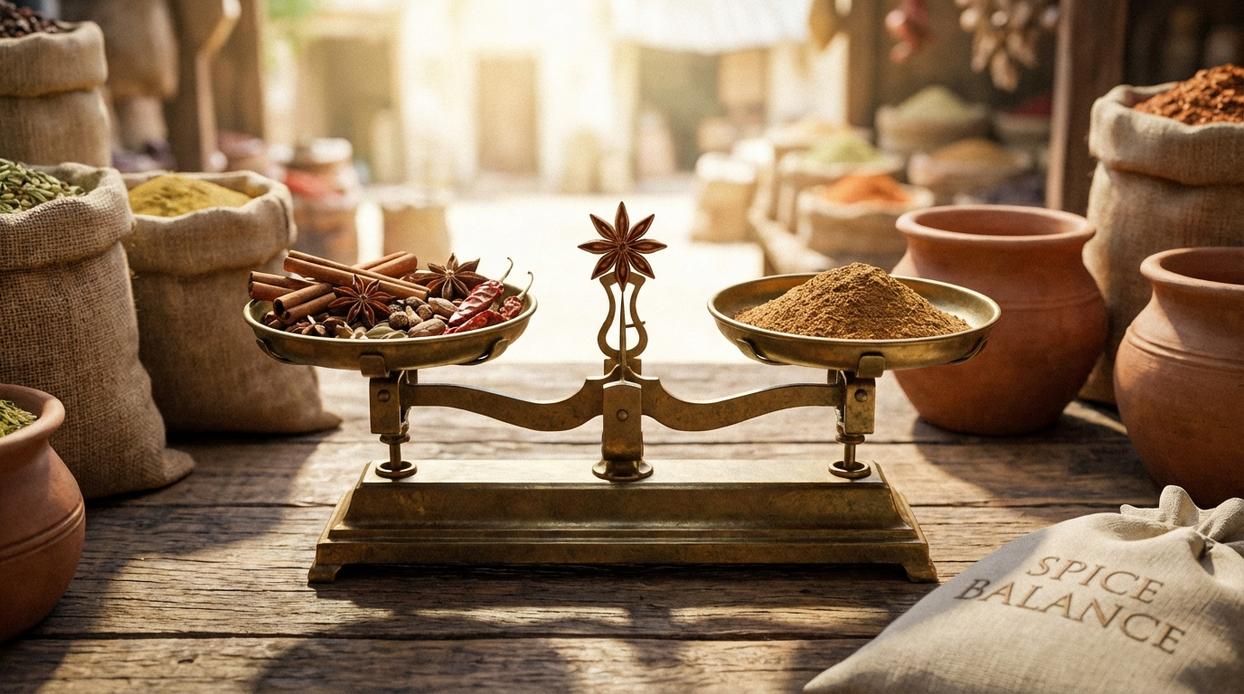
We’ve all been there. One extra pinch of chili flakes, and suddenly dinner feels like a dare. Fortunately, reducing heat isn’t complicated once you understand what’s happening. The compound that makes food spicy is capsaicin—an oil-based molecule that binds to pain receptors in your mouth (rude, but fascinating). Here’s how to tame it.
1. Introduce a Dairy or Fat Component
This is the gold standard. Capsaicin dissolves in fat, and casein (a protein in dairy) helps wash it away. Stir in yogurt, sour cream, heavy cream, or even a splash of milk. For plant-based options, try coconut milk or blended avocado. For example, if your curry is too fiery, add ¼ cup coconut milk, stir, and simmer for 3–5 minutes. Taste and adjust.
2. Add Acidity
Next, brighten the dish with acid. Lime juice, lemon juice, or a mild vinegar cuts through richness and distracts from the burn. Start with 1 teaspoon, stir, then taste. Acid won’t remove capsaicin, but it shifts the flavor balance (think of it as turning down the spotlight on the heat).
3. Incorporate a Sweetener
A pinch of sugar, honey, or maple syrup adds contrast. Sweetness doesn’t chemically neutralize spice, yet it masks intensity. Add small amounts—½ teaspoon at a time—so your dish doesn’t taste like dessert. This is especially effective in tomato-based sauces.
4. Increase the Volume with Starches
If possible, dilute. Add cooked potatoes, carrots, rice, or extra broth. You’re spreading capsaicin across more ingredients, lowering its concentration. This is practical for soups, stews, and chilis.
5. Serve with Cooling Sides
If you can’t alter the dish, serve it with naan, rice, or yogurt (raita). Even a glass of milk helps. Ultimately, balancing spice heat is about proportion and pairing. For deeper flavor control, review how to layer spices for maximum flavor depth.
Beyond the Burn: Balancing Heat with Aromatic Spices
Great heat isn’t a dare; it’s design. Too many cooks treat chili like a volume knob stuck on max, but real flavor is layered. The goal is complexity, not culinary CrossFit. Capsaicin—the compound that makes peppers hot—should highlight sweetness, acidity, and umami, not bulldoze them.
This is where warming spices shine. Cardamom (eucalyptus-like and citrusy), cinnamon (woody-sweet), cloves (intensely aromatic), and ginger (zesty and bright) create perceived warmth without extra fire. They stimulate circulation and aroma receptors, giving depth that feels hot even when Scoville units stay steady (a pro tip: toast whole spices briefly to unlock volatile oils).
Smoky and earthy notes build structure. Smoked paprika adds campfire richness; cumin brings nutty bass; coriander lends lemony lift. Together, they form a foundation that supports balancing spice heat rather than escalating it. Some argue “more chili equals more flavor.” Not quite. Thoughtful layering wins—every time. Every bite should invite return.
Your New Spice Compass: Cooking with Confidence
Now, you’ve seen both sides of the flame. You know how to rescue a dish—and, just as importantly, how to approach balancing spice heat from the start. While I can’t promise every chili behaves predictably (peppers can be sneaky), you do have reliable tools.
Remember this:
| Too Spicy? | Try This |
|————-|———-|
| Burning heat | Add fat (cream, yogurt) |
| Sharp sting | Add acid (lime, vinegar) |
| Lingering fire | Add sugar or dilute |
Granted, taste is personal—what’s mild to one guest may be “dragon fire” to another (yes, Game of Thrones style). Even so, don’t hold back. Experiment, adjust, and trust your palate.
Bring Your Chai Creations to Life
You came here looking for a way to elevate your chai from a simple cup of tea to a full sensory culinary experience. Now you understand how flavor layering, ingredient pairing, and balancing spice heat can transform every sip and every dish into something unforgettable.
If you’ve ever struggled with chai that tastes flat, overly spicy, or one-dimensional, you know how frustrating it can be. The difference between an average blend and an exceptional one comes down to precision, creativity, and knowing how to harmonize bold spices without overpowering the palate.
Now it’s your move.
Start experimenting with small-batch spice blends in your kitchen. Adjust ratios, taste as you go, and apply these infusion techniques to baked goods, sauces, and savory dishes. Don’t settle for bland or unbalanced flavors when you can craft chai creations that feel intentional and refined.
Join thousands of chai lovers who are already upgrading their recipes with proven spice-fusion techniques. Try one new infusion method today and taste the difference for yourself.