
If you’ve been searching for a simple, flavorful way to elevate everyday meals, you’re likely curious about infusing oils at home and how to do it safely and effectively. This article is designed to guide you through the essentials—what ingredients work best, how to balance spices and aromatics, and the key techniques that ensure both bold flavor and proper storage.
Home cooks often struggle with achieving deep, well-rounded flavor without overpowering a dish. The right infusion methods can transform ordinary oils into versatile culinary tools for drizzling, roasting, dipping, and finishing. Here, you’ll find practical, step-by-step guidance rooted in tested kitchen techniques and a deep understanding of spice pairing and tea-inspired flavor layering.
From selecting quality base oils to experimenting with warming spices and botanicals, this guide will help you confidently create infused oils that bring complexity, aroma, and creativity to your cooking.
Elevate Your Everyday Cooking with Aromatic Oils
I still remember the first time I drizzled warm rosemary oil over roasted potatoes; the kitchen smelled like a countryside bakery. That small experiment convinced me that infusing oils at home beats any store bottle.
First, the gentle heat method: warm oil to about 140°F, add hardy herbs or spices, and steep off heat. Second, the cold method: combine delicate ingredients like basil or citrus zest and let time do the work.
Some argue store-bought oils are safer. Fair point—improper storage risks spoilage. However, refrigerating and using within one week keeps flavors safe.
The Foundation: Choosing Your Oil and Aromatic Ingredients
First things first: your base oil sets the tone. Neutral oils like grapeseed or sunflower have a mild flavor, meaning they let delicate spices shine without competition. If you’re working with subtle ingredients—think cardamom pods or dried citrus zest—go neutral. On the other hand, olive oil brings its own personality. Its grassy, sometimes peppery notes pair beautifully with Mediterranean herbs like rosemary and oregano. In short, match intensity with intensity.
Next, choose dried ingredients—the safest bet for beginners. Low-moisture ingredients reduce spoilage risk and create cleaner flavors. Start with:
- Whole spices: star anise, cinnamon sticks, cloves, cardamom pods, peppercorns
- Dried herbs: rosemary, thyme, oregano, dried chili peppers
- Other aromatics: fully dried citrus zest, dried mushrooms
Whole spices release flavor slowly, which makes them ideal for controlled experimentation (and fewer surprises later). Pro tip: lightly toast whole spices before adding them to oil to deepen their aroma.
Now, a quick caution. Fresh garlic or herbs may sound tempting, but they carry higher spoilage risks due to moisture. If you’re infusing oils at home, stick with dried ingredients until you’re confident handling proper storage and safety techniques.
Method 1: The Gentle Art of Cold Infusion
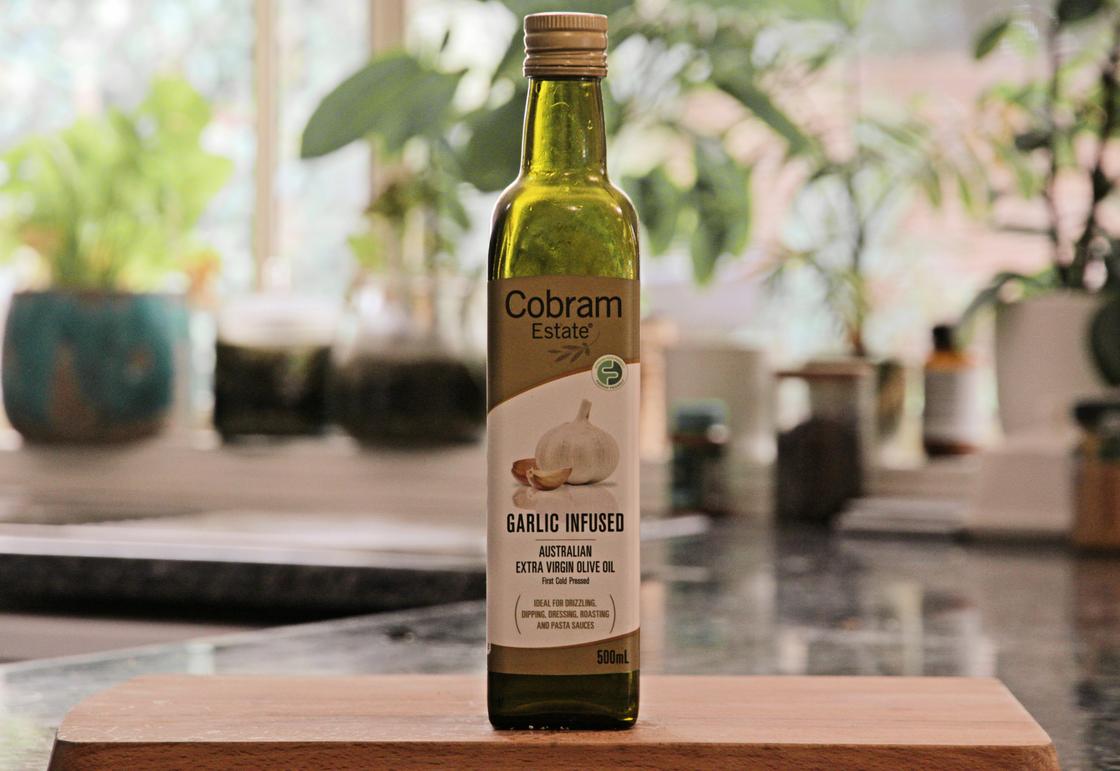
Best for: Delicate flavors from dried herbs and spices where heat might create bitterness. In other words, if you’re working with chamomile, rose petals, or lightly crushed cardamom, skip the stove. Heat can pull out harsh compounds (plant chemicals that create sharp or bitter notes), which is the opposite of what you want.
First, prepare your ingredients. Lightly crush whole spices to release their essential oils—these are the aromatic compounds responsible for flavor and scent. Think of it as gently waking them up, not smashing them.
Next, combine everything in a sterilized, airtight glass jar. Sterilized simply means thoroughly cleaned and dried to prevent microbial growth. Then, pour oil over the ingredients until fully submerged. This prevents oxidation (a reaction with air that can degrade flavor).
After sealing, store the jar in a cool, dark place for 1–2 weeks. During this waiting period, shake it every couple of days to help distribute flavors evenly.
Finally, strain and store. Use a fine-mesh sieve or cheesecloth to remove solids. What remains is a clear, aromatic oil ready for drizzling or dressing.
When infusing oils at home, patience isn’t optional—it’s the secret ingredient.
Method 2: Unlocking Flavor with Heat Infusion
The first time I tried heat-infusing rosemary into olive oil, I scorched it. The kitchen smelled less like Tuscany and more like regret. That’s when I learned the golden rule of this method: low and controlled heat wins every time.
This technique is best for robust, woody herbs (plants with firm stems and strong cell walls, like rosemary or thyme) and whole spices (intact dried spices such as cinnamon sticks or star anise). These ingredients release their essential oils—the concentrated aromatic compounds responsible for flavor—when gently warmed.
Step-by-Step Guide
- Gentle Heating: Combine your oil and ingredients in a small saucepan.
- Temperature Control (Crucial!): Heat over low until the oil reaches 150–180°F (65–82°C). Use a thermometer. Do not let it simmer or smoke (smoke means flavor breakdown and possible bitterness, according to the USDA’s guidelines on cooking oils).
- Steeping: Maintain that temperature for 5–10 minutes. Remove from heat and let cool completely with ingredients still inside (about 1 hour).
- Straining and Storing: Once cool, strain through a fine-mesh sieve into a sterilized bottle.
Pro tip: For deeper flavor, let the cooled oil sit a few extra hours before straining.
Some argue this method risks over-extraction compared to cold infusion. Fair point. But in my experience, careful temperature control delivers bold flavor in a fraction of the time—especially when infusing oils at home.
If you enjoy bright, acidic profiles too, explore how to properly infuse vinegars for bright flavors: https://chaitomin.com/how-to-properly-infuse-vinegars-for-bright-flavors/.
Crucial Safety & Storage: Keeping Your Oils Fresh
First and foremost, let’s talk about the real risk: Clostridium botulinum, the bacteria that causes botulism. Botulism is a rare but serious illness caused by toxins that thrive in low-oxygen, low-acid environments—exactly what oil provides. When you add raw garlic, fresh herbs, or vegetables (all high-moisture ingredients), you create conditions where this bacteria can grow. For that reason, I strongly recommend beginners stick with fully dried ingredients. They dramatically reduce the moisture that bacteria need to multiply.
If you insist on using fresh ingredients, properly acidify or cook them first. Even then, refrigerate immediately and use the oil within one week.
Next, storage matters. Keep your oils in a cool, dark pantry or the refrigerator. Heat and sunlight speed up rancidity (that stale, bitter smell means it’s time to toss it).
When infusing oils at home, dried-ingredient batches can last several months if stored correctly.
Your culinary journey starts now. You’ve learned how to safely craft custom-flavored oils that transform everyday dishes into something unforgettable. No more bland meals or overpriced, underwhelming bottles collecting dust. Have you ever wondered why restaurant food tastes deeper, richer, more alive? It’s control—choosing the base oil, the aromatics, the heat level. When infusing oils at home, you decide the intensity and purity of every drop. Why settle for average? Start simple: chili or rosemary. Drizzle over pizza, pasta, or roasted vegetables and taste the immediate difference. Pro tip: let flavors rest overnight for bolder, rounder results. Trust yourself.
Bring More Flavor to Every Cup and Dish
You came here looking for creative ways to elevate your tea experience and experiment with chai-inspired flavors in your kitchen. Now you have the inspiration and practical ideas to turn everyday ingredients into something layered, aromatic, and memorable.
If bland, repetitive flavors have been holding your cooking back, it’s time to change that. From spice blending to infusing oils at home, small, intentional upgrades can completely transform how your food and tea taste — and how confident you feel serving them.
The next step is simple: start experimenting. Choose one technique, gather your spices, and try it this week. Explore more chai-focused recipes, discover new spice pairings, and build your own signature blends. Thousands of flavor enthusiasts are already elevating their kitchens with these proven techniques.
Don’t settle for ordinary when bold, spiced, and beautifully infused creations are within reach. Start brewing, blending, and cooking today — your most flavorful cup (and plate) is waiting.