
If you’re searching for fresh, creative ways to turn your love of chai into unforgettable treats, you’re in the right place. This article is designed to deliver practical, flavor-forward ideas that transform traditional tea into desserts worth savoring and sharing. From warming spice blends to unexpected ingredient pairings, we’ll explore how chai can elevate everything from baked goods to chilled confections.
You’ll discover bubble tea dessert inspiration alongside infused syrups, spiced creams, and tea-steeped bases that add depth without overpowering sweetness. Each idea is crafted to help home cooks and adventurous bakers confidently experiment with tea-infused flavors while understanding how spices, tannins, and aromatics interact in dessert recipes.
Our approach is rooted in hands-on recipe testing, deep knowledge of chai traditions, and careful exploration of tea-based culinary trends. That means you’re not just getting creative concepts—you’re getting reliable, flavor-balanced guidance you can trust in your own kitchen.
Tea-based desserts are more than a trend; they’re a proven crowd-pleaser. According to Grand View Research (2023), the global bubble tea market is projected to grow at 8.9% annually, showing how deeply these flavors resonate. When you apply those profiles to bubble tea dessert inspiration, you unlock cakes, custards, and cheesecakes layered with jasmine, taro, or matcha. Infusion—steeping tea in milk or cream—extracts fat-soluble aromatics for richer flavor. Try:
- Simmering loose-leaf tea in heavy cream for panna cotta
- Folding chewy tapioca pearls into brownie batter
Pro tip: brew 20% stronger to withstand sugar dilution. Results speak for themselves.
The Foundation: Mastering the Classic Milk Tea Base
The first time I tried to recreate my favorite café milk tea at home, it tasted like sweet beige water (humbling, to say the least). The breakthrough came when I learned to build a tea concentrate—a highly brewed black tea designed to hold its flavor even after milk and sugar are added. Start with Assam or Ceylon, both bold, malty black teas known for their strong tannic backbone (tannins are natural compounds that give tea structure and slight bitterness). Brew it twice as strong as usual, then simmer with sugar until slightly reduced into a light syrup.
For creaminess, you have options. Sweetened condensed milk delivers that caramel-thick, nostalgic flavor found in classic milk tea. Prefer something lighter? Use evaporated milk or cream for a silkier texture—ideal for panna cotta or ice cream. Some argue condensed milk is too sweet. Fair. But that sweetness balances the tea’s tannins beautifully.
Once you have the base, the fun begins. Torch a crackly top onto Milk Tea Crème Brûlée, or pour the custard into a buttery tart shell. I’ve even used it as bubble tea dessert inspiration—think chewy pearls folded into chilled custard (a little Willy Wonka energy never hurts). Pro tip: chill the concentrate before mixing to prevent dilution.
Earthy & Indulgent Flavors: Taro, Matcha, and Brown Sugar
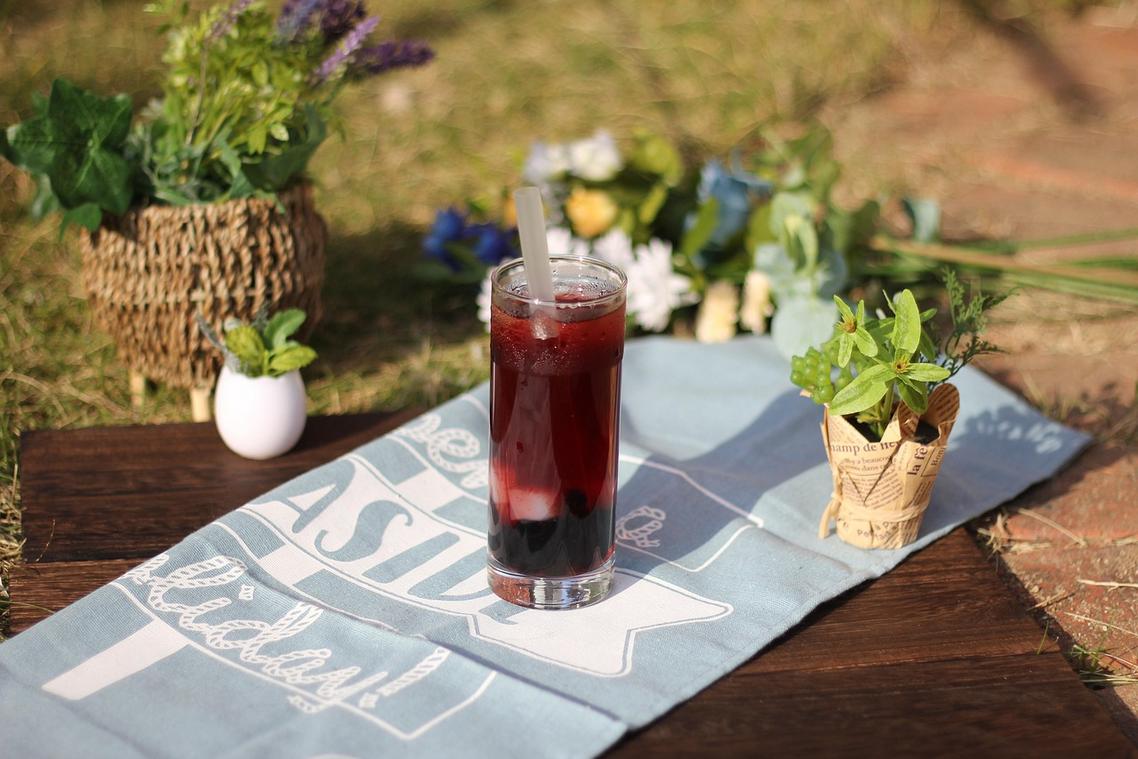
Earthy desserts are having a moment—but not all earthy flavors behave the same. Choosing between taro, matcha, and brown sugar comes down to depth, sweetness, and visual drama (yes, that matters).
Taro vs. Matcha: Soft Sweetness or Bold Bitterness?
Taro is a starchy root vegetable with a naturally nutty, vanilla-like flavor. In a Taro Basque Cheesecake, its mellow sweetness balances the cheesecake’s signature caramelized top. Think cozy and creamy. Matcha, by contrast, is finely ground green tea powder known for its grassy, slightly bitter edge due to its high catechin content (Harvard T.H. Chan School of Public Health). In Matcha Tiramisu, the tea-soaked ladyfingers deliver a sharper, more aromatic bite. If taro is a warm hug, matcha is a wake-up call.
Some argue matcha can overpower desserts. That’s true—if you don’t sweeten and sift it properly (pro tip: always dissolve matcha in warm liquid before mixing to avoid clumps). But when balanced, it adds complexity few flavors can match. For a deeper dive, see how matcha is transforming modern baking.
Brown Sugar vs. The Rest: Comfort or Complexity?
Brown sugar “tiger” syrup—made by caramelizing sugar with molasses—brings smoky sweetness and visual flair. In Brown Sugar Lava Cakes, the molten center mimics bubble tea dessert inspiration while offering pure indulgence. Compared to taro’s subtlety or matcha’s sophistication, brown sugar is unapologetically rich (the dessert equivalent of a chart-topping pop anthem).
If you prefer understated elegance, choose taro. If you want layered intensity, pick matcha. If your goal is instant crowd-pleasing decadence, brown sugar wins—every single time.
Bright & Fruity Fusions: Mango, Passion Fruit, and Lychee
Tropical flavors promise sunshine in every bite—but let’s be honest, balancing them can be trickier than it looks. Mango, for instance, brings lush sweetness and a velvety texture (think of it as nature’s custard). In a Mango Pomelo Sago Parfait, you layer mango pudding, coconut cream, fresh pomelo sacs, and chewy brown sugar boba pearls for contrast. Sago—tiny tapioca pearls—adds gentle chew, while pomelo provides citrusy pop. The result is vibrant and textural, though I’ll admit the sweetness level may need tweaking depending on how ripe your mangoes are.
Passion fruit, on the other hand, is unapologetically tart. Its pulp delivers bright acidity thanks to natural citric acid (which stimulates saliva and heightens flavor perception, according to food science research). In a Passion Fruit Green Tea Mousse, infusing green tea into the cream base adds grassy depth. Fold in passion fruit puree carefully; too much and it overwhelms, too little and it disappears. I can’t claim there’s a universal ratio—taste as you go. Top with diced lychee for floral sweetness that softens the edges.
For something more delicate, Rose Milk Tea Cupcakes offer a perfumed twist. Steep strong rose-scented black tea into warm milk, then bake into a tender crumb. Finish with rosewater buttercream (sparingly—rose can veer soapy fast). This style often draws bubble tea dessert inspiration, though translating drink flavors into cake isn’t always straightforward.
Are tropical-fruit desserts too sweet? Some argue yes. But when acidity, tannins, and floral notes are balanced thoughtfully, they’re less sugar bombs and more symphonies.
The Finishing Touch: Reimagining Toppings and Textures
In the past five years, desserts have shifted from purely sweet to textural playgrounds. Think back to 2018, when chewy toppings started appearing everywhere; suddenly, contrast mattered as much as flavor. That evolution makes toppings more than decoration—they’re structural upgrades (yes, texture is architecture).
The Boba Element brings that philosophy home. Freshly cooked tapioca pearls—small, chewy spheres made from cassava starch—are best served warm, ideally within four hours of boiling for peak elasticity. Spoon them over ice cream, pudding, or cheesecake right before serving. The temperature contrast creates a dynamic bite that feels intentional, not gimmicky.
Creative jellies extend this idea. Coffee jelly (gelatin-set brewed coffee), grass jelly (herbal gel common in East Asia), or almond jelly can be cut into cubes and folded into mousses or layered into trifles. After chilling for at least two hours, they hold clean edges and add flavor contrast without overpowering the base.
Then there’s creamy cheese foam—a whipped blend of cream cheese, cream, and salt that rose to fame alongside bubble tea dessert inspiration. Its salty-sweet balance sharpens fruit tarts and deepens chocolate cakes. Pro tip: whip it just before serving to maintain soft peaks and avoid collapse.
Your Culinary Tea Adventure Begins Now
As we’ve explored, the distinct and delicious profiles of bubble tea offer a surprisingly serious playground for your whisk and waffle iron. Consider this your official permission slip to stop just sipping and start baking. You no longer have to wonder how to enjoy your favorite tea flavors in a new way. Armed with bubble tea dessert inspiration, you can turn taro into cheesecake or passion fruit into mousse (yes, your fridge is ready).
Skeptics might say tea belongs in cups. Sure—and pizza belongs on plates, but we fold it. Start experimenting boldly today.
You came here looking for creative ways to turn your love of chai into something more adventurous—and now you have the flavors, techniques, and inspiration to do exactly that. From spiced infusions to tea-forward treats, you’ve seen how chai can move beyond the cup and into unforgettable culinary experiences.
If you’ve ever felt stuck making the same recipes or unsure how to balance bold spices without overwhelming a dish, that frustration ends here. With the right ingredient pairings and brewing methods, you can create desserts, drinks, and savory plates that feel both comforting and completely new—including fresh ideas sparked by bubble tea dessert inspiration.
Now it’s your turn to bring these flavors to life. Start by experimenting with one new chai-based recipe this week, explore a spiced fusion you’ve never tried before, and taste the difference thoughtful infusion makes.
Ready to elevate your chai creations? Discover more innovative recipes, trending tea infusions, and expertly crafted flavor guides designed to help you master spiced cooking with confidence. Dive in now and transform every sip and bite into something extraordinary.