
Imagine the rich aroma of chai. Spicy, warm, inviting. Tired of the same old milk and sugar routine?
Want to explore chai flavor combinations that go beyond the everyday? You’re not alone. With years of culinary exploration and a deep passion for spice fusion, I’ve crafted this guide to show you what chai can truly do.
We’ll move far beyond coffee shop basics, diving into a world of comforting classics and bold, inventive pairings. Ready to transform your chai experience? This guide promises a clear roadmap to mastering the art of chai pairing, unlocking new culinary adventures.
Spice Symphony: Decoding Chai’s Flavor
Great flavor pairings don’t just happen. You need to know the core components (the “why” behind the “what”). Chai isn’t just tea with a twist; it’s a complex blend.
Let’s break it down.
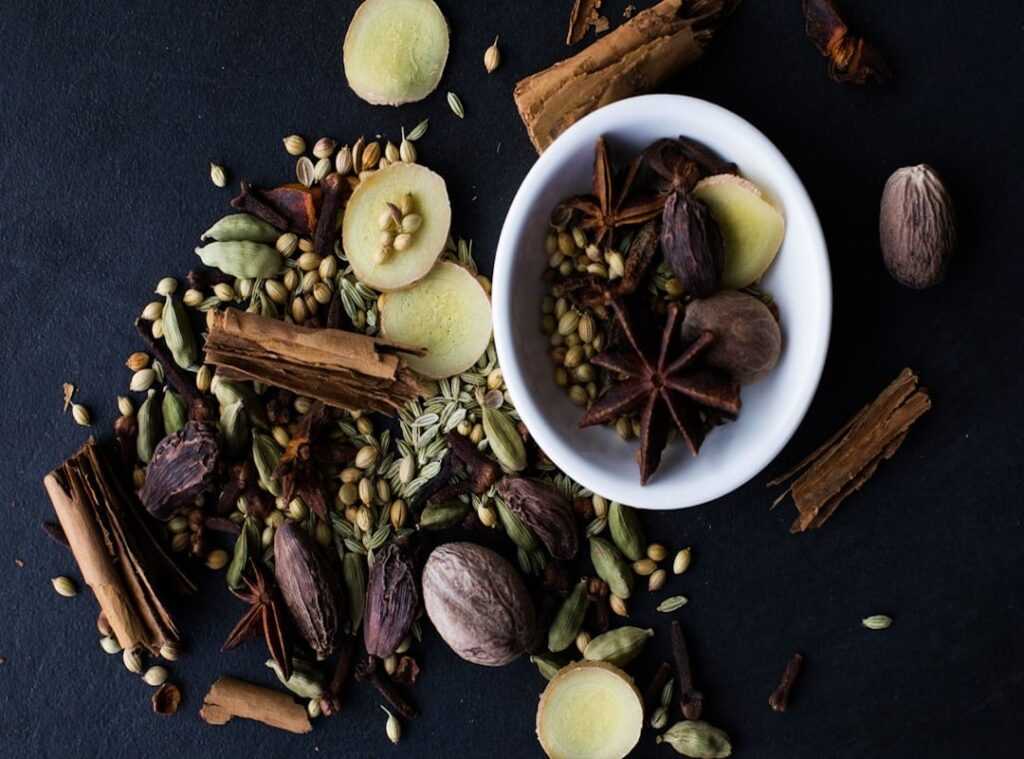
Cardamom is your floral, citrusy note that’s slightly sweet. It’s like a gentle breeze in a chaotic kitchen. Cinnamon follows with its warm, woody comfort, wrapping you up like a soft blanket.
Now, ginger. It’s pungent and zesty, adding an unmistakable warming heat. Think of it as a little kick in your cup.
Cloves are next (intense) and slightly medicinal, with a hint of bitterness that keeps you on your toes.
Let’s not forget the likes of black pepper or star anise. These sharp, piquant notes cut through the richness. They add a necessary edge to the mix.
And holding this ensemble together? Black tea, the strong backbone with its tannic strength. It’s what keeps the chaos grounded.
Want to explore more about chai flavor combinations? Check out the top trending chai flavors season.
Mastering the Classics: Perfecting the Comforting Cup
Ever wonder how to make the perfect cup of chai? It’s all about the right chai flavor combinations. You can’t just throw things together and hope for the best.
Let’s dig into the basics.
Milks & Creamers: You’ve got choices, and each one gives a different vibe. Dairy milk is the go-to for that classic richness. It smooths out spices like cinnamon and cardamom. But if you’re looking for something different, oat milk’s your answer. It’s the creamiest non-dairy option and froths like a dream. Almond milk, on the other hand, adds a subtle nutty undertone. It’s less creamy but pairs well with a lighter chai.
What about sweeteners? You’ll want to consider how they play with your spices. Honey, for example, brings a floral note that makes cardamom sing.
Maple syrup? It’s got a deep, caramel flavor that screams fall. Perfect if you’re cozying up with a good book.
Jaggery or brown sugar? They add molasses notes that boost cloves and cinnamon.
Now, let’s talk food. Pairing chai with food might sound fancy, but keep it simple. Buttery shortbread, crisp biscotti, or just buttered toast.
Simple choices let the chai shine. They don’t overpower, they complement.
Doesn’t that make you want to experiment? Try these tweaks, and you’ll see how small changes can raise your chai game. The world of chai is vast.
Dive in and find your perfect cup.
A Symphony of Sweetness: Fruit and Dessert Pairings
Bakers and dessert lovers, gather around. Get ready to shake up your dessert game with chai flavor combinations that will blow your mind. Why settle for the ordinary when you can raise your creations with flavors that dance on the palate?
Start with orchard fruits. Apples and pears are a match made in heaven with the warm spices of cinnamon and ginger. Ever tried a chai-spiced apple pie?
It’s like wrapping yourself in a cozy blanket on a chilly day. Then there are stone fruits like peaches and plums. Their juicy, tangy notes cut through milky chai, creating a refreshing contrast.
Trust me, you’ll want to try this.
Citrus fruits bring another layer of magic. Orange and lemon zest lift the spice profile, making every bite a burst of sunshine. And let’s not forget figs and dates.
Their rich, jammy sweetness harmonizes beautifully with dark notes of clove and black tea.
Now, onto dessert concepts. Imagine a scoop of vanilla bean or pistachio ice cream topped with a steaming chai pour-over. It’s simplicity with a twist.
Baked goods take on new life too. Picture chai-spiced pumpkin bread or cardamom-infused chocolate cake gracing your table. Even a chai-spiced crème brûlée sounds like a dream, doesn’t it?
Chai isn’t just for sipping. It’s a versatile flavor that’s influencing global taste buds. Curious about how chai is making waves?
Check out how chai influencing global beverage trends is changing the game.
Pro tip: Always taste as you go. Flavors can be bold, and balance is key. Get experimenting, and let your kitchen be your playground.
You’ll never look at fruit and desserts the same way again.
The Savory Surprise: Taking Chai Beyond the Mug
Who knew chai could transform your kitchen into a playground for flavor? Forget sipping from mugs. Let’s talk about chai flavor combinations that take your cooking game up a notch.

Picture this: a pre-made or homemade dry chai spice mix, minus the tea leaves, as a seasoning blend. Sounds crazy, right? Yet, it’s a game-changer for anyone who loves a culinary adventure.
Let’s start with roasted vegetables. Those warming spices? They raise the natural sweetness of root veggies like you wouldn’t believe.
Toss some chai spices on butternut squash and carrots, and you’ve got a caramelized masterpiece full of depth. Sweet potatoes? Oh, they’re a revelation.
Just a sprinkle of chai spice before baking turns them into a side dish that’s hard to beat. Seriously, why wouldn’t you try this?
But wait, there’s more. How about using chai spices for meat and protein rubs? A modern twist, but it works.
Use it as a dry rub for pork or chicken before roasting or grilling. The result? A savory delight that’s both unique and delicious.
And if you’re a salmon fan, mix the spices with honey or maple syrup for a killer glaze. Trust me, you’ll thank yourself.
Here’s a pro tip: start small. These flavors pack a punch, so tasting as you go is key. Who knew chai could be this versatile?
It’s not just a drink anymore; it’s a bold new way to season your life.
Creative Concoctions: Pairing Chai in Other Beverages
Chai’s spicy depth is a playground for chai flavor combinations in drinks. Ever tried a “Dirty Chai”? It’s a shot of espresso in a chai latte, where coffee’s bitterness dances perfectly with chai’s sweet spice.
Love spirits? Bourbon and dark rum are your best friends here. Their vanilla and caramel details complement chai’s warmth beautifully.
And let’s not forget the classics. Imagine a Chai Hot Toddy. Just the thing for a chilly night, right?
Or give a Chai Old Fashioned a whirl. It’s a bold twist on tradition. Chai isn’t just for tea anymore.
Spice Up Your Sip
You know what I love about chai? It’s not just a drink. It’s a gateway to flavor.
You’ve moved beyond basic stuff. No more dull cups. With chai flavor combinations, you’ve got an endless playground.
You get it now (those) foundational spices are your tools. Ready to explore? Grab one new pairing from this guide.
Maybe a sweetener or a savory rub. Dive in. Your flavor adventure starts here.
Transform your chai. Make it yours. Don’t just drink it.
Live it. Chaitomin.com is here for your spice journey. Ready to change your chai game?
Go on. Try it.
 There is a specific skill involved in explaining something clearly — one that is completely separate from actually knowing the subject. Jennifer Thorpecania has both. They has spent years working with chai-focused recipes and flavors in a hands-on capacity, and an equal amount of time figuring out how to translate that experience into writing that people with different backgrounds can actually absorb and use.
Jennifer tends to approach complex subjects — Chai-Focused Recipes and Flavors, Flavor Buzz, Infused Cooking Tips and Hacks being good examples — by starting with what the reader already knows, then building outward from there rather than dropping them in the deep end. It sounds like a small thing. In practice it makes a significant difference in whether someone finishes the article or abandons it halfway through. They is also good at knowing when to stop — a surprisingly underrated skill. Some writers bury useful information under so many caveats and qualifications that the point disappears. Jennifer knows where the point is and gets there without too many detours.
The practical effect of all this is that people who read Jennifer's work tend to come away actually capable of doing something with it. Not just vaguely informed — actually capable. For a writer working in chai-focused recipes and flavors, that is probably the best possible outcome, and it's the standard Jennifer holds they's own work to.
There is a specific skill involved in explaining something clearly — one that is completely separate from actually knowing the subject. Jennifer Thorpecania has both. They has spent years working with chai-focused recipes and flavors in a hands-on capacity, and an equal amount of time figuring out how to translate that experience into writing that people with different backgrounds can actually absorb and use.
Jennifer tends to approach complex subjects — Chai-Focused Recipes and Flavors, Flavor Buzz, Infused Cooking Tips and Hacks being good examples — by starting with what the reader already knows, then building outward from there rather than dropping them in the deep end. It sounds like a small thing. In practice it makes a significant difference in whether someone finishes the article or abandons it halfway through. They is also good at knowing when to stop — a surprisingly underrated skill. Some writers bury useful information under so many caveats and qualifications that the point disappears. Jennifer knows where the point is and gets there without too many detours.
The practical effect of all this is that people who read Jennifer's work tend to come away actually capable of doing something with it. Not just vaguely informed — actually capable. For a writer working in chai-focused recipes and flavors, that is probably the best possible outcome, and it's the standard Jennifer holds they's own work to.