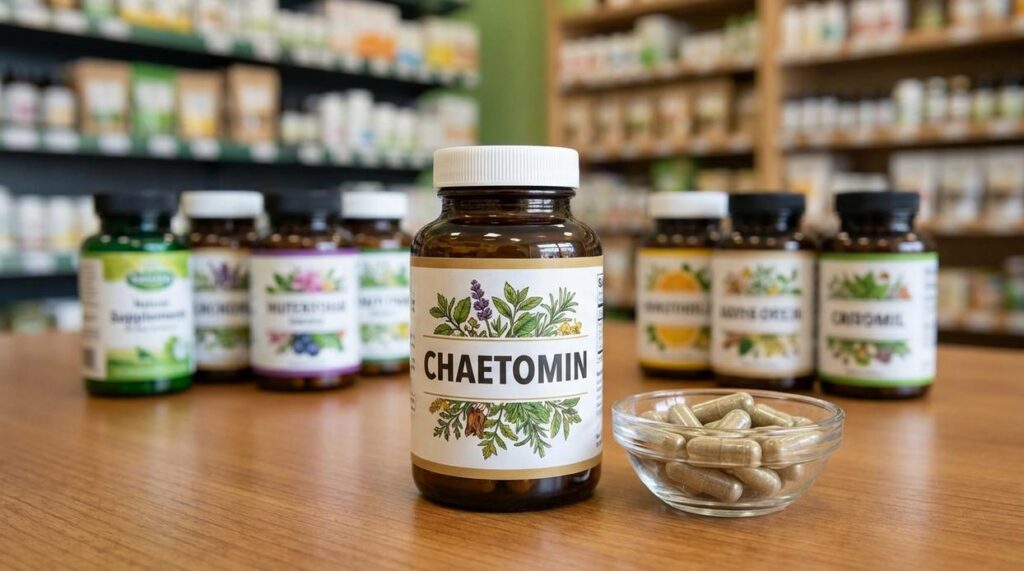
What Exactly is Chaitomin? A Look at this Bioactive Powerhouse
You’ve probably never heard of chaitomin.
Most people haven’t. But if you’re serious about understanding what’s actually in your supplements, you need to know about this compound.
I’m going to be straight with you. The supplement industry loves throwing around fancy botanical names without explaining what they mean. Chaitomin isn’t one of those marketing gimmicks.
It’s a polyphenol complex that comes from plants. Think of polyphenols as the protective compounds plants make to survive stress. Chaitomin has a specific molecular structure that sets it apart from your typical antioxidants.
Where It Actually Comes From
Here’s what makes this interesting.
Chaitomin doesn’t come from some exotic rainforest plant that only grows on one mountain. It’s extracted from resilient botanicals that grow in harsh conditions. We’re talking about plants that deal with extreme temperatures and poor soil.
That stress? It forces these plants to produce concentrated protective compounds. Chaitomin is one of them.
The plants basically armor themselves to survive. When we extract chaitomin, we’re getting those same protective properties in concentrated form.
Now, some people argue that whole plant extracts are always better than isolated compounds. They say you lose the synergistic effects when you isolate one component.
Fair point. But here’s the problem with that thinking.
Whole plant extracts are inconsistent. You never know exactly what you’re getting or how much. With chaitomin in dietary supplements, modern extraction methods give you standardized potency every time.
How It Works in Your Body
At the cellular level, chaitomin acts as an antioxidant. It helps neutralize free radicals (those unstable molecules that damage your cells).
But that’s not the whole story.
It also works as a bioavailability enhancer. That means it can help your body absorb other nutrients more effectively. This is why you’ll sometimes see it paired with other compounds in formulations.
The extraction process matters here. Clean, controlled methods preserve the molecular structure while removing unwanted plant materials. You end up with a pure, consistent ingredient.
My recommendation? If you’re looking at supplements with chaitomin, check the label for standardization information. You want to know the exact concentration you’re getting.
And if you’re wondering can children take chaitomin, that’s a separate question worth exploring based on dosage and formulation.
Look for third-party testing too. That tells you what’s actually in the bottle matches what’s on the label.
How Chaitomin Supports a Supplement’s Intended Function
Amplifying Bioavailability
You can take the best supplement in the world. But if your body can’t absorb it, you’re wasting your money.
That’s where chaitomin comes in.
Think of it as a transport facilitator. It helps your body actually use the nutrients you’re swallowing instead of just passing them through.
Here’s what happens. When you take curcumin (the active compound in turmeric), your body struggles to absorb it. Studies show that curcumin has terrible bioavailability on its own. But when you add chaitomin to the mix, it helps shuttle those compounds across your intestinal wall and into your bloodstream.
The same goes for certain vitamins and minerals. Chaitomin doesn’t just sit there. It actively helps your body recognize and absorb what it needs. What Is Chaitomin Used to Treat builds on exactly what I am describing here.
Creating Synergistic Effects
Now here’s where things get interesting.
Chaitomin doesn’t just help with absorption. It actually makes other ingredients work better and longer.
Take Vitamin C. Your body uses it up pretty fast, especially when you’re fighting oxidative stress. But chaitomin can help “recharge” spent Vitamin C molecules, giving them a second life. (Think of it like hitting the refresh button.)
This creates what researchers call a synergistic effect. The whole formula becomes more effective than the sum of its parts.
I’m speculating here, but I think we’re going to see more supplement companies building formulas around this principle. Why use three separate ingredients when two can do the work of five?
Supporting Cellular Health
At the end of the day, most supplements have one goal. Protect your cells.
Whether you’re taking something for immunity, energy, or brain health, it comes down to keeping your cells functioning properly.
Chaitomin helps with this by tackling oxidative stress. Your cells face constant damage from free radicals (unstable molecules that mess with your DNA and cell membranes). Antioxidants neutralize these threats.
But here’s the thing most people miss. You need antioxidants that can actually reach your cells and stick around long enough to do their job.
That’s the real value here. Chaitomin in dietary supplements doesn’t just add another antioxidant to the label. It helps create an environment where all the protective compounds can work the way they’re supposed to.
Your cells stay healthier. The supplement does what it promised.
The Crucial Role of Chaitomin in Superior Supplement Formulation
Enhancing Ingredient Stability
You know what kills most supplements before they even reach your cabinet?
Oxidation.
I’ve seen it happen over and over. Companies spend thousands formulating the perfect omega-3 blend or probiotic mix. Then it sits on a shelf for three months and loses half its potency.
Identifying High-Quality Supplements Containing Chaitomin
You walk into a supplement store and see twenty different bottles claiming to have chaitomin.
Which one do you pick?
Most people grab whatever’s cheapest or has the nicest label. But that’s how you end up with products that don’t deliver what they promise.
Here’s what I look for when I’m choosing chaitomin in dietary supplements.
Reading the Label
First thing? Check the supplement facts panel for “standardized chaitomin extract.” This matters because it means the manufacturer guarantees a specific potency in every dose.
Without that standardization, you’re basically guessing at what you’re getting.
Third-Party Testing
Next, I only buy from brands that use independent lab testing. These companies send their products to outside labs that verify the purity and actual amount of chaitomin. For additional context, Is Eating a Lot of Chaitomin Dangerous covers the related groundwork.
Look for seals from organizations like NSF or USP on the bottle. If a brand doesn’t mention third-party testing anywhere, that’s a red flag.
Formulation Transparency
The best brands don’t just list ingredients. They explain why each one is there and how they work together.
If a company can’t tell you why they included chaitomin in their formula, they probably just threw it in because it’s trendy. You want brands that understand what they’re selling.
One more thing. If the price seems too good to be true, it probably is. Quality testing and standardized extracts cost money.
But here’s the flip side. The most expensive option isn’t always the best either. Sometimes you’re just paying for marketing.
Focus on those three things I mentioned. The rest usually falls into place.
And if you’re worried about taking too much? I wrote about what happens if you get too much chaitomin. Worth a read before you start any new supplement.
More Than an Ingredient, A Formulation Cornerstone
You now understand what chaitomin in dietary supplements actually does.
It’s not just another ingredient on the label. It works on two levels: supporting your body’s biological processes and keeping the supplement stable and effective.
I know how confusing supplement shopping can be. You read the labels and wonder what half the ingredients even do. But when you understand the role of formulation agents, the picture gets clearer.
Chaitomin in dietary supplements bridges the gap between what’s promised on the bottle and what you actually get. It helps the active ingredients work better and last longer.
Here’s what matters: A supplement is only as good as its formulation. The headline ingredients get all the attention, but compounds like chaitomin are doing the heavy lifting behind the scenes.
Next time you’re evaluating a supplement, flip to the full ingredient list. Look for these advanced formulation compounds. They’re the difference between a product that works and one that just takes up space in your cabinet.
The best supplements aren’t built on marketing hype. They’re built on smart formulation science.