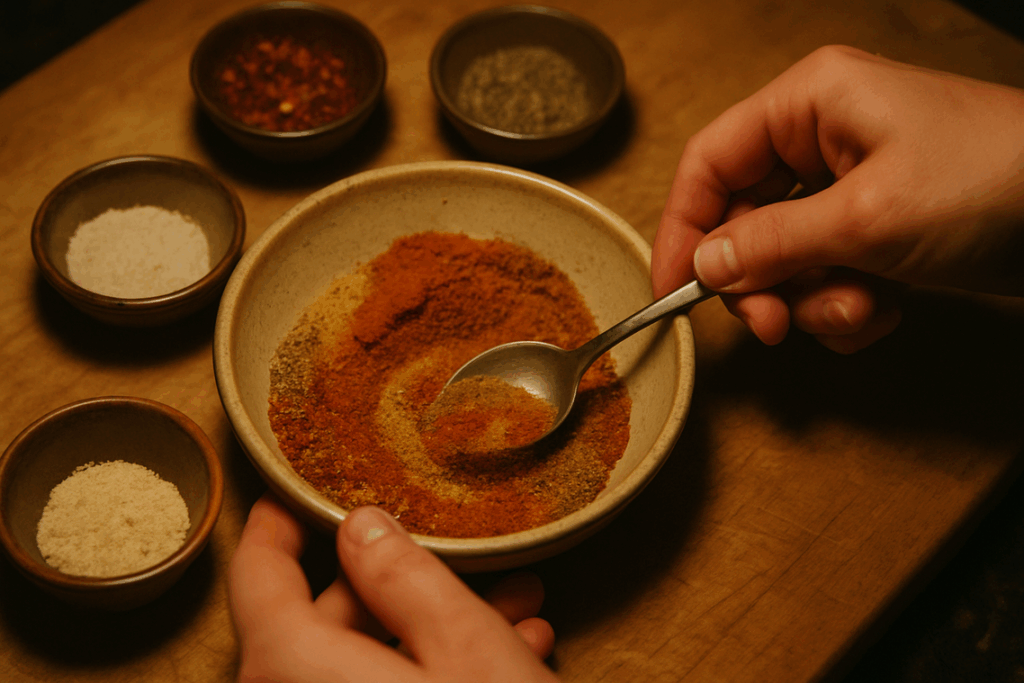
Tired of store-bought seasonings that taste like dust? If you’re craving deeper, fresher flavor, this guide will show you how to move beyond generic, filler-packed shakers and start crafting vibrant blends in your own kitchen. We’ll break down the fundamentals of balancing spices, layering aromatics, and creating homemade spice rubs that bring real character to every dish. Drawing on years of hands-on experience blending global spices and testing flavor combinations, this article gives you both the knowledge and practical recipes to get started. By the end, you’ll confidently transform everyday meals into bold, unforgettable plates.
Why Go Handcrafted? The Flavor Revolution in Your Kitchen
Freshly Ground vs. Pre-Ground: A Clear Difference
Freshly ground spices deliver volatile oils—natural compounds responsible for aroma and flavor—that begin fading the moment spices are processed. Pre-ground blends sitting on shelves for months simply can’t compete. It’s the difference between fresh coffee beans and instant powder (you can taste the gap immediately).
Handcrafted blends vs. commercial mixes also means ingredient control. Store-bought options often contain anti-caking agents, MSG, excess sodium, or fillers to extend shelf life. When you blend your own, you skip the extras and keep only what matters.
Customization is another win. Prefer less salt, more heat, or a brighter herbal finish? You adjust in real time. Pre-made jars lock you into someone else’s palate.
Finally, bulk spices vs. dozens of tiny jars is a cost comparison worth noting. Buying whole spices and making homemade spice rubs often costs significantly less per ounce—gourmet flavor without gourmet pricing.
The Anatomy of a Perfect Blend: Your Spice Pantry Blueprint
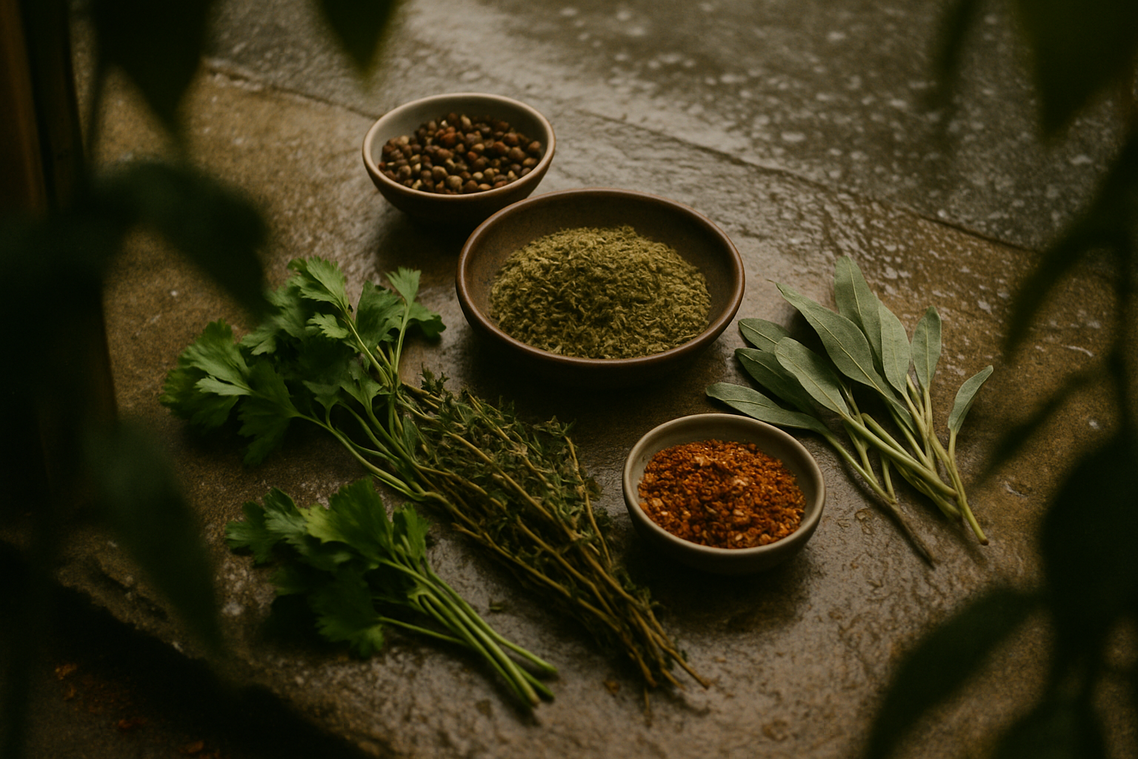
A truly memorable spice blend isn’t random—it’s architectural. Like a well-built house, it starts with a solid foundation and layers upward with intention.
The Savory Base
First, build your flavor foundation—the core ingredients that create depth and consistency. Granulated garlic, onion powder, and quality salt act as flavor amplifiers. Salt, for instance, doesn’t just make food salty; it enhances aroma perception by suppressing bitterness (Institute of Food Technologists). Garlic and onion powders contribute sulfur compounds that trigger savory, umami-like sensations (National Onion Association). Together, they anchor everything from roasted vegetables to homemade spice rubs.
The Aromatic Core
Next comes the personality. Smoked paprika adds phenolic compounds responsible for its signature smokiness. Cumin delivers earthy warmth due to cuminaldehyde, while coriander brings citrusy brightness from linalool (Journal of Agricultural and Food Chemistry). Not surprisingly, cumin and coriander frequently appear together in global cuisines because their volatile oils complement each other chemically.
- Smoked paprika: smokiness and color
- Cumin: earthiness and depth
- Coriander: brightness and lift
The Herbal Lift
Then, layer in dried herbs for contrast. Oregano and thyme contain thymol and carvacrol—natural compounds with bold, slightly peppery notes. Rosemary’s piney aroma comes from cineole, which holds up well under heat (USDA FoodData Central). In other words, herbs prevent blends from tasting flat.
The “Warm Spice” Secret
Finally, add intrigue. Cardamom, cinnamon, and ginger aren’t just for desserts. Research shows cinnamon’s cinnamaldehyde enhances perceived sweetness and warmth without added sugar (Harvard Health). Used sparingly, these spices create balance and sophistication—much like the principles behind balancing heat and aroma in fusion cooking.
Because when structure meets science, flavor stops being guesswork—and starts becoming craft.
Three Essential Recipes to Master Today
Most spice guides give you ingredients. Few give you ratios, technique, and the why behind the blend. That’s the difference between decent seasoning and flavor that makes people pause mid-bite.
Below are three foundational blends designed with precision, balance, and versatility in mind.
The Ultimate All-Purpose Rub
This savory-forward blend works across proteins and vegetables because it balances salt, aromatics, and subtle heat.
Exact Ratio:
- 2 tbsp kosher salt
- 2 tbsp smoked paprika
- 1 tbsp garlic powder
- 1 tbsp onion powder
- 1 tsp black pepper
- 1 tsp dried thyme
Salt enhances flavor (it doesn’t just make food salty), while paprika provides depth and color. Thyme adds an herbal backbone that holds up under roasting. Use 1 tablespoon per pound of meat or 1½ teaspoons per sheet pan of vegetables.
Many argue store blends are more consistent. Fair point. But controlling ratios means you adjust for your palate and dietary needs (and skip the anti-caking agents).
Smoky & Bold Taco Seasoning
Packet mixes often lean heavy on salt. This version emphasizes layered warmth.
Exact Ratio:
- 1 tbsp chili powder
- 1 tsp ground cumin
- 1 tsp smoked paprika
- ½ tsp oregano
- ½ tsp garlic powder
- ½ tsp salt
Cumin provides earthiness; smoked paprika adds depth without overpowering heat. Bloom the blend in oil for 30 seconds before adding meat or beans—this activates fat-soluble flavor compounds (pro tip: don’t skip this step).
Aromatic Golden Veggie Dust
This is where most competitors stop short. Sweet vegetables crave warmth, not just salt.
Exact Ratio:
- 1 tsp turmeric
- ½ tsp ground ginger
- ¼ tsp cardamom
- ½ tsp salt
- ¼ tsp black pepper
Turmeric brings color and gentle bitterness; ginger adds brightness; cardamom delivers subtle floral lift. Toss with olive oil before roasting carrots, sweet potatoes, or cauliflower.
Master these homemade spice rubs and you control the narrative of your kitchen (yes, even on a Tuesday night).
Toast whole spices first—always. In my kitchen, a dry pan over medium heat for two to three minutes wakes up their essential oils, meaning the aroma blooms before grinding. Some argue it is optional, but once you’ve smelled the difference, you won’t. Next, store blends in airtight glass jars, tucked in a cool, dark cupboard; light and heat degrade volatile compounds (the flavor heroes). Label every batch with name and date—future you will be grateful. Finally, use homemade spice rubs before cooking for deeper penetration, or sprinkle as a finishing touch for brightness. Today. For more, explore our chai recipes.
Your Culinary Adventure Awaits
You set out to move beyond store-bought blends—and now you have the tools to do exactly that. With the framework and recipes in hand, you’re ready to craft homemade spice rubs that deliver bold, layered flavor without the stale, one-note taste of prepackaged options. No more settling for bland meals or mystery ingredients.
The next step is simple: choose one recipe, gather fresh spices, and start blending today. Taste, adjust, make it yours. If you’re ready to transform everyday dishes into unforgettable meals, start creating now—your kitchen (and your taste buds) deserve it.