
If you’re searching for creative ways to elevate your cooking with chai-inspired flavors, you’re in the right place. This article explores how to transform everyday dishes using tea-infused techniques, warming spice blends, and innovative flavor pairings rooted in global spice fusion. From aromatic masala infusions to sweet and savory chai-based creations, you’ll discover practical recipes and tips designed to help you confidently experiment in your own kitchen.
We’ve carefully studied traditional spice profiles, modern culinary trends, and time-tested infusion methods to ensure every suggestion is both authentic and achievable. Whether you’re looking to deepen your understanding of chai’s flavor complexity or simply want fresh inspiration for your next meal, this guide delivers clear, tested insights you can trust.
Get ready to explore bold aromas, layered spices, and inventive twists that turn a simple cup of chai into a versatile culinary experience.
Beyond the Recipe: A New Approach to Global Flavor
Recipes are helpful—but they’re training wheels. If you want confidence in the kitchen, start thinking in terms of balance, not instructions. Flavor layering (adding ingredients in stages to build depth) and contrast (pairing heat with sweetness, acid with fat) are your real tools.
Many cooks worry that mixing cuisines will clash. Fair. But global spice fusion works when you anchor bold spices with a familiar base—rice, roasted vegetables, or lentils.
Try this:
- Toast whole spices before grinding for deeper aroma.
- Pair warming spices with bright citrus.
- Taste as you go (seriously, every step).
Pro tip: Keep a flavor journal. Patterns will emerge.
The Pillars of Flavor: Understanding Spice Profiles
Great cooking starts with understanding what each spice actually does in a dish. Broadly, spices fall into two functional camps:
- Aromatic spices like cardamom and cinnamon deliver fragrance and subtle sweetness through volatile oils released by gentle heat.
- Pungent spices such as cayenne or mustard seed create sharpness and heat from compounds like capsaicin and allyl isothiocyanate (the same fiery molecule in wasabi).
Knowing the difference matters. Aromatics build atmosphere; pungent spices build intensity. Confuse the two, and your dish can feel flat—or aggressively loud.
The Flavor Wheel
Spices also map onto core flavor categories:
- Sweet: cinnamon, nutmeg
- Earthy: cumin, turmeric
- Citrus: coriander, sumac
- Savory: black pepper, cloves
- Bitter: fenugreek, saffron
This framework isn’t just culinary theory—it’s a practical tool for balance.
The Principle of Balance
Pair contrasts for harmony. Earthy cumin brightens when matched with citrusy coriander. Bitter fenugreek softens with sweet cinnamon. (Think buddy-cop movie, but edible.)
Building Complexity
Layering spices—tempering mustard seeds in oil first, adding ground cumin mid-cook, finishing with garam masala—creates depth. Each stage extracts different compounds, maximizing flavor impact. This technique powers global spice fusion and transforms simple ingredients into multidimensional dishes.
A Culinary World Tour: Classic Fusion Pairings to Inspire You
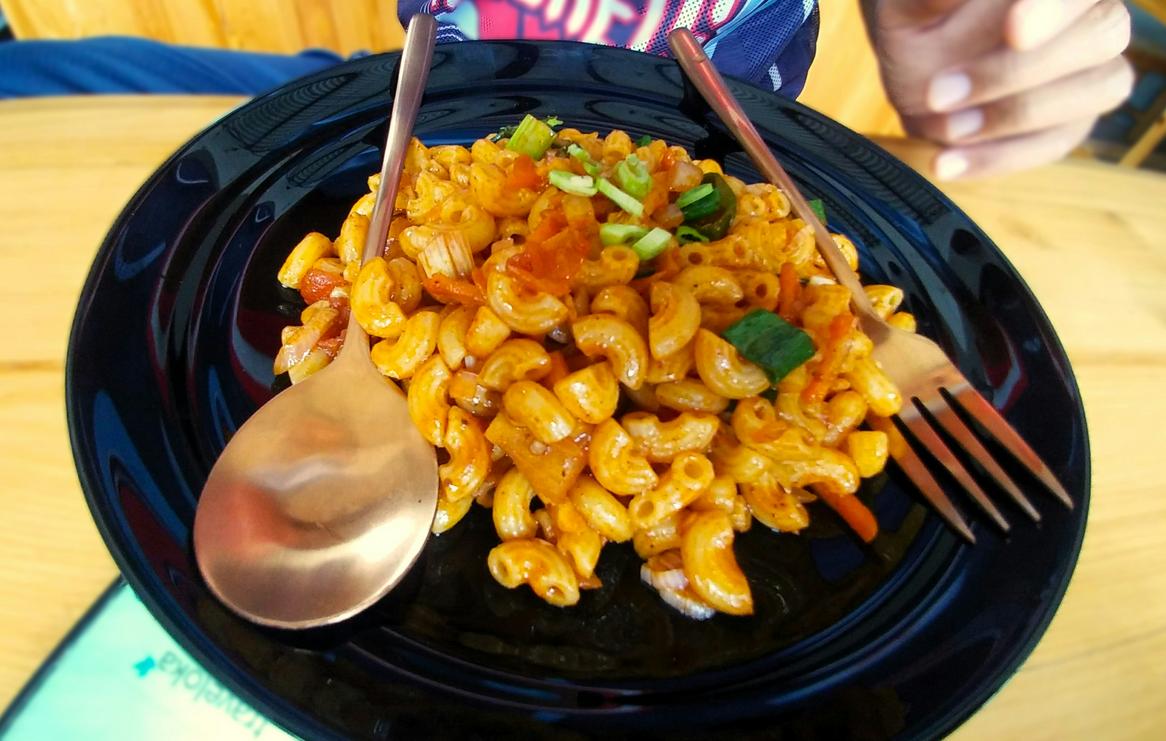
Fusion cooking can sound intimidating, but at its core it simply means combining culinary traditions in a thoughtful way. Think of it as culinary diplomacy (with better snacks). Let’s break down a few classic pairings and why they work.
East Meets West
Take Indian garam masala—a warming spice blend that often includes cumin, coriander, cardamom, cinnamon, and cloves. Used as a dry rub for American barbecue, it adds sweet heat and aromatic depth. Similarly, adding star anise (a licorice-scented spice common in Chinese cooking) to French beef bourguignon enhances the stew’s richness without overpowering it. Some purists argue this “muddies” tradition. However, small amounts amplify existing flavors rather than replace them (pro tip: start with 1/4 teaspoon and adjust gradually).
Latin-Asian Fusion
Chipotle powder—made from smoked, dried jalapeños—brings earthy heat. Pair it with Japanese soy sauce, a fermented condiment rich in umami (the savory “fifth taste”), and you get a balanced marinade for steak or tofu. The smokiness rounds out the saltiness, creating complexity with minimal ingredients.
Mediterranean-Middle Eastern Crossroads
Italian oregano and basil blended with za’atar—a Middle Eastern mix of thyme, sesame seeds, and sumac—brighten roasted vegetables or chicken. The citrusy tang of sumac cuts through olive oil beautifully. This is global spice fusion at its most practical.
Case Study: Ras el Hanout
Moroccan ras el hanout can contain over a dozen spices. Instead of guessing, deconstruct it. Identify sweet (cinnamon), floral (rose petals), heat (black pepper), and earth (turmeric). Understanding balance helps you decide whether to toast or bloom spices first—see toasting vs blooming spices whats the difference (https://chaitomin.com/toasting-vs-blooming-spices-whats-the-difference/). Once you grasp the building blocks, fusion feels far less mysterious.
From Theory to Practice: Core Techniques for Spice Infusion
The first time I bloomed cumin in hot ghee, I thought I’d burned it. The seeds sputtered, the kitchen filled with smoke, and I panicked (rookie move). But within seconds, the aroma shifted—nutty, warm, almost sweet. That’s blooming spices: heating whole or ground spices in fat to release fat-soluble flavor compounds—aromatic molecules that dissolve in oil, not water. Skip this step, and your curry or stew can taste flat. Do it right, and the flavor feels three-dimensional. Pro tip: keep the heat medium and stir constantly; 30 seconds can make or break it.
When building custom spice rubs, think balance. Start with a 2:1:1 ratio—two parts savory (paprika, cumin), one part sweet (brown sugar), one part pungent (black pepper, mustard powder). Savory grounds the blend, sweet caramelizes, pungent adds bite. I once used this formula on roasted carrots, and the edges crisped like barbecue chips (unexpected, but welcome).
Infusing liquids is slower but transformative. Gently warm oil with cinnamon sticks or cloves, then steep off heat. For syrups, simmer briefly and let cool with the spices inside. This is how global spice fusion shows up in everyday dressings and desserts. Think chai-spiced simple syrup in iced coffee—yes, it’s as good as it sounds.
Finally, wet marinades vs. pastes: marinades (liquid-based flavor baths) lightly penetrate proteins, ideal for yogurt and citrus blends. Pastes—thick mixtures like curry paste—cling and concentrate flavor on the surface. If you want deep crust and bold aroma, choose a paste. (Channel your inner Top Chef judge and taste as you go.)
Beyond the Plate: Spicing Up Your Beverages
The Power of Spiced Syrups lies in aroma. Simmer sugar and water until glossy, then steep cardamom, ginger, and cracked black pepper. The kitchen fills with citrusy perfume and warm heat that tingles the nose. Drizzle into coffee for a velvety kick or splash into sparkling water for a fizzy bite (suddenly, soda feels grown‑up).
Mulling and Steeping transform wine or cider into a slow, fragrant steam bath of cloves and cinnamon—liquid comfort in a mug.
- Try star anise for a licorice whisper.
Using Tea as a Spice Base invites global spice fusion, where bold chai can poach pears or deepen syrups with smoky sweetness.
Your Kitchen, Your Global Crossroads
You now have the tools to practice global spice fusion with confidence. The fear of “ruining dinner” fades once you understand balance—how sweet tempers heat, how acid brightens fat.
Think of it as A vs B:
- Random mixing: tossing spices together and hoping for magic.
- Thoughtful layering: pairing complementary and contrasting profiles with intention.
One leads to confusion (and takeout menus). The other leads to harmony.
Start small. Combine two spices from different regions in roasted chicken or vegetables. Compare the result to a single-spice version. Notice depth, aroma, finish.
That’s not luck. That’s technique—and now it’s yours.
Bring the Warmth of Chai Into Every Dish
You came here looking for fresh ways to infuse your kitchen with chai-inspired flavor and creative spice combinations. Now you have the inspiration, techniques, and confidence to start blending bold teas and aromatic spices into everyday cooking.
If you’ve ever felt stuck making the same meals on repeat or unsure how to balance warming spices without overpowering a dish, you’re not alone. The beauty of chai lies in its balance — sweet, spicy, floral, and earthy notes working together in harmony. Mastering that balance is what transforms ordinary recipes into memorable experiences.
Now it’s time to take action. Start experimenting with one new chai-inspired recipe this week. Play with global spice fusion in your marinades, baked goods, or savory sauces. Taste, adjust, and make it your own.
If you’re ready to elevate your cooking with proven spice pairings, trending tea-infused ideas, and trusted flavor guidance, explore more recipes and tips designed to help you cook with confidence. Discover new blends, try bold combinations, and turn every meal into a chai-inspired creation today.