If you’re searching for rare pepper varieties to elevate your chai and tea-inspired recipes, you’re in the right place. The right pepper doesn’t just add heat—it transforms aroma, deepens spice complexity, and creates a layered finish that standard blends simply can’t achieve. In this article, you’ll discover how distinctive, hard-to-find peppers can enhance chai concentrates, baked goods, infused syrups, and savory tea-based dishes, along with practical tips for balancing heat and fragrance.
We’ve carefully tested these peppers in both traditional chai preparations and modern culinary applications to understand how they interact with cardamom, cinnamon, ginger, and other warming spices. By focusing on flavor chemistry, infusion timing, and pairing techniques, this guide ensures you’re not just experimenting—you’re cooking with intention. Whether you’re refining a signature masala blend or exploring tea-infused fusion dishes, you’ll gain clear, experience-backed insights to help you use rare peppers with confidence and creativity.
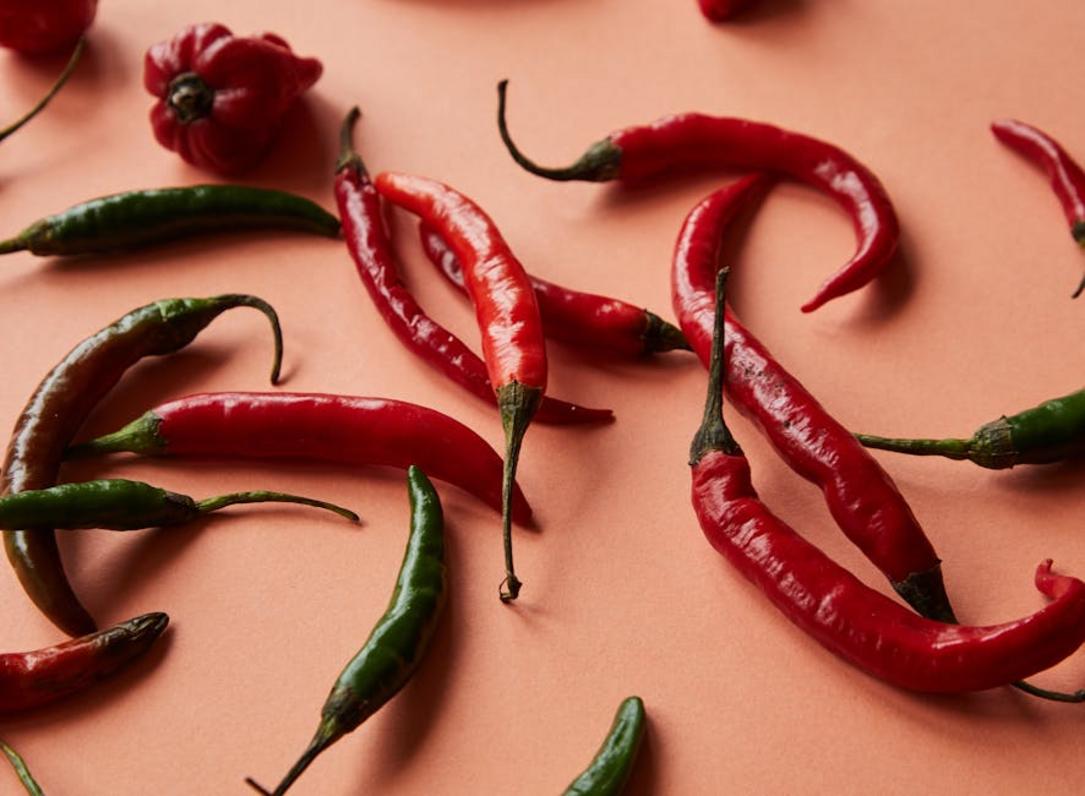
Stuck reaching for jalapeños again? You’re not alone. Many cooks circle the same spice rack, chasing heat but missing flavor. Beyond cayenne lies a spectrum: fruity Aji Amarillo, floral Habanada, smoky Pasilla Mixe. These rare pepper varieties deliver personality, not just Scoville points (because not everything needs to feel like a dragon’s breath challenge).
For instance, fold Aji Amarillo into creamy pasta for subtle mango notes, or steep Pasilla Mixe in broth to add campfire depth. Meanwhile, Habanada brightens salsas without overwhelming heat.
Yes, experimenting can feel risky. But staying bored in the kitchen? That’s the bigger gamble. Start today.
Flavor Without the Fire: Mild Peppers with Complex Notes
If you love bold flavor but shy away from mouth-scorching heat, you’re in good company. Not every great pepper needs to feel like a dare. In fact, some of the most versatile varieties deliver nuance first and heat second.
Aji Amarillo: The Sunshine Pepper of Peru
With 30,000–50,000 Scoville Heat Units (SHU)—a scale measuring capsaicin concentration—Aji Amarillo offers warmth without overwhelming the palate. Its flavor is bright and fruity, with distinct notes of passionfruit and mango. That tropical character is why it’s the backbone of Peruvian cuisine. Blend it into creamy huancaína sauce, stir it into stews, or whisk it into ceviche for a sunny lift that balances acidity. If you’re new to it, start with a small amount and build up; its fruitiness intensifies as it cooks.
Shishito Peppers: The Mild Japanese Roulette
At 50–200 SHU (with the occasional rebel reaching 1,000), Shishitos are mostly gentle, slightly sweet, and grassy with a hint of citrus. Traditionally blistered in a hot pan with oil and sea salt, they make an effortless appetizer. Simply sauté until the skins char and collapse, then finish with flaky salt and a squeeze of lemon. They’re also excellent in tempura or quick stir-fries.
Padrón Peppers: The Classic Spanish Tapa
Ranging from 500–2,500 SHU, Padrón peppers are earthy and nutty—similar to Shishitos—but come with the famous “uno pica, otro no” surprise. Fry in olive oil and sprinkle with coarse salt. Serve alongside cured meats and cheeses for contrast. For comparison, even a sweet Biquinho feels tame next to a fiery outlier.
The Aromatic Mid-Range: Fruity Peppers That Pack a Punch
When people hear “mid-range heat,” they often assume it means mild. Not quite. On the Scoville Heat Unit (SHU) scale—a measurement of capsaicin concentration, the compound that makes peppers spicy—mid-range can still feel fiery. What sets these peppers apart isn’t just heat, but aroma.
Aji Charapita: The Tiny Pepper with a Huge Aroma
Aji Charapita (30,000–50,000 SHU) may be pea-sized, but its fragrance is intensely citrus-forward and floral. Think of it as the espresso shot of the pepper world—small, concentrated, unforgettable. Its heat is crisp and clean rather than overwhelming. Used fresh, it acts as a finishing garnish, brightening salsas, infused oils, or rice dishes with a tropical lift (a little goes a long way).
Scotch Bonnet: The Heart of Caribbean Flavor
Ranging from 100,000–350,000 SHU, Scotch Bonnet balances serious heat with apricot- and apple-like sweetness. That fruitiness explains why it’s essential in jerk marinades, pepper sauces, and chutneys. Some argue habaneros can substitute. Technically yes—they share similar heat—but the bonnet’s distinct sweetness pairs exceptionally well with pork, chicken, and mango in ways habaneros don’t quite replicate.
Fatalii Pepper: The Citrus Heatwave
At 125,000–325,000 SHU, Fatalii Pepper delivers sharp lemon-lime notes followed by a searing, lingering finish. Its citrus profile shines in hot sauces and fish marinades. If you enjoy bold global ingredients, you might also appreciate culinary histories like how tea bricks were used as currency in history—proof that flavor and culture often travel together.
Pro tip: Pair fruity peppers with natural sugars (like pineapple or honey) to amplify aroma while tempering perceived heat.
Smoky Depths: Peppers for Rich, Savory Flavors
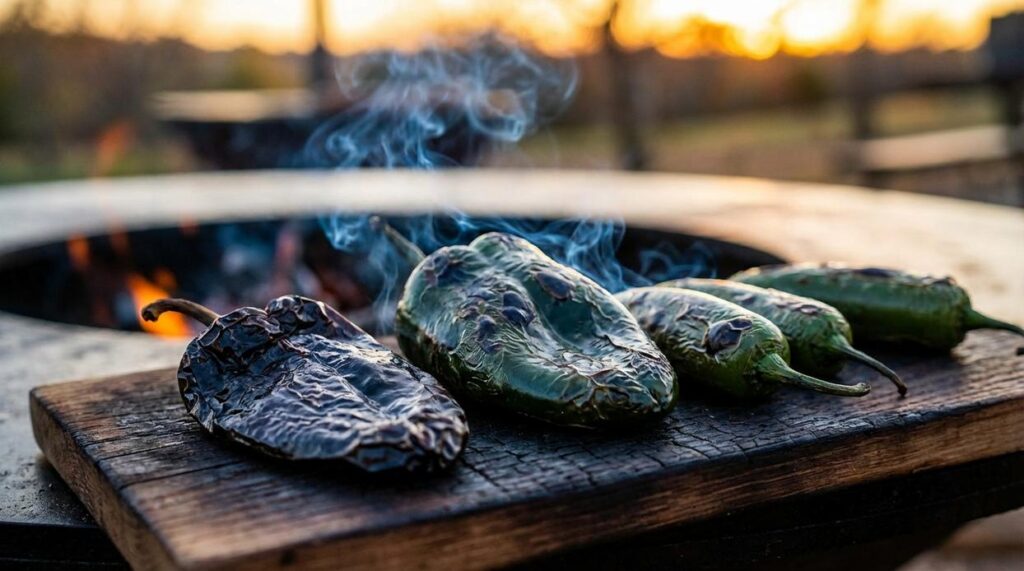
Back in 2019, after three months of testing dried chiles in slow-simmered sauces, one thing became clear: depth takes time. Ancho Pepper (Dried Poblano) is proof. With a mild heat of 1,000–1,500 SHU (Scoville Heat Units, the scale that measures chili pungency), it layers flavors of dried plum, raisin, and even a whisper of coffee. Think of it as the bass line in a song—subtle, steady, essential. In mole, adobos, and hearty chili bases, ancho builds sweetness and body without stealing the spotlight.
Then there’s the Guajillo Pepper, the tangy counterpoint. Clocking in at 2,500–5,000 SHU, it brings bright acidity with notes of green tea and berry. Its thinner flesh blends into velvety sauces for tamales and enchiladas, delivering that vibrant red hue that looks straight out of a food stylist’s dream (or a particularly dramatic cooking show finale). Some argue it’s too sharp for long simmers, but balanced correctly, it adds complexity that richer chiles lack.
Finally, Chipotle Meco (Smoked Dried Jalapeño)—smoked longer than the Morita—offers a grayish color and deep, woodsy, almost bacon-like intensity (2,500–10,000 SHU). Grind it for bold rubs or rehydrate for smoky salsas. Pro tip: toast lightly before soaking to amplify aroma. Even among rare pepper varieties, its lingering smoke stands apart.
Your Culinary Journey with Peppers Starts Now
Peppers are more than a heat meter. They’re a flavor library. Beyond the familiar burn lies a spectrum of fruity, smoky, earthy, and even floral notes that can completely reshape a dish. Think of them less like a volume knob and more like an equalizer—each one boosting a different frequency in your food (yes, like dialing in the perfect playlist).
The real win? You don’t have to settle for one-dimensional spice anymore. Aji Amarillo brings bright, tropical fruitiness; Ancho delivers raisin-like depth with gentle smoke; Guajillo adds tangy sharpness that lifts sauces. Even Bhut Jolokia, famous for its heat, carries subtle sweetness beneath the fire. When you understand these profiles, you gain control.
Here’s the practical shift:
- Want brightness in a stew? Choose Guajillo.
- Craving deep, rich smokiness for marinades? Ancho or Chipotle Meco.
- Looking to layer complexity into grains or legumes? Try fruity yellow peppers.
The key is matching flavor to intention. Heat becomes a supporting actor, not the whole show.
Some argue that “spicy is spicy.” But if that were true, chefs wouldn’t differentiate paprika from chipotle. Details matter—especially in spiced cuisine.
Next time you shop, pick one unfamiliar pepper and test it in a favorite recipe. One swap can transform the entire dish.
Bring the Warmth of Chai Into Every Dish
You came here looking for fresh ways to infuse your kitchen with the warmth, depth, and creativity of chai-inspired cooking — and now you have the inspiration to do exactly that. From spiced ingredient pairings to tea-infused techniques, you’ve seen how simple blends can transform everyday recipes into bold, aromatic experiences.
If you’ve ever struggled with making your dishes feel unique or layered with flavor, chai fusion solves that pain point beautifully. The right balance of spice, heat, and infusion turns ordinary meals into unforgettable ones.
Now it’s time to take action. Start experimenting with one new chai-inspired recipe this week. Explore different spice combinations. Infuse your next dessert, marinade, or breakfast dish with brewed tea. Join thousands of flavor enthusiasts who are elevating their cooking with spiced creativity — and discover just how powerful a well-crafted chai blend can be.
Your kitchen deserves that warmth. Begin brewing, blending, and boldening today.