
If you’ve been searching for fresh inspiration in the world of tea-infused desserts, you’re in the right place. Interest in matcha baking trends has surged as home bakers and culinary creatives look for ways to bring earthy depth, vibrant color, and functional ingredients into their kitchens. But with so many recipes and ideas circulating online, it can be hard to tell which techniques truly elevate flavor—and which are just passing fads.
This article explores the most exciting developments shaping matcha-infused baking today, from flavor pairings and texture innovations to smart ingredient swaps that enhance both taste and presentation. We’ve analyzed emerging tea-inspired culinary movements, tested spiced fusion combinations, and studied how infused baking methods impact aroma and balance. Whether you’re experimenting for the first time or refining your signature creations, you’ll find practical insights and reliable guidance to help you bake with confidence and creativity.
Matcha has come a long way from the café latte that took over Brooklyn and Silver Lake a decade ago. Today, it’s a powder lining the shelves of bakers and grocers alike. Yet many still default to the same cookies or sponge cakes.
Meanwhile, across Tokyo pastry labs and Portland test kitchens, chefs are exploring white chocolate–miso ganache, olive oil matcha financiers, and laminated croissants dusted in sugar. These matcha baking trends reveal flavor architecture—umami, bitterness, and fat balance working in harmony.
In this guide, you’ll discover pairings, sifting and blooming techniques, and cross-cultural fusions that redefine green tea baking.
Unexpected Flavor Pairings: Beyond White Chocolate
The Modern Palate
Over the past decade, consumer preference has shifted from ultra-sweet desserts to balanced flavor profiles. According to Mintel’s 2024 Global Food & Drink Trends report, 63% of consumers say they prefer “less sweet” options in baked goods. Consequently, bakers are rethinking how they pair matcha—a finely milled green tea powder known for its earthy, umami depth—with complementary ingredients rather than sugar overload (which, let’s be honest, used to be the default).
Citrus & Tart Fruits
Acidity brightens matcha’s natural bitterness. Yuzu, grapefruit, and calamansi add volatile aromatic compounds that heighten perceived freshness. In practice, a matcha-yuzu tart or grapefruit glaze cuts through richness, creating contrast that food scientists call flavor balancing—the strategic use of opposing tastes to enhance overall perception.
Nutty & Toasted Notes
Meanwhile, toasted ingredients amplify matcha’s grassy warmth. Black sesame’s lignans contribute bitterness; pistachio adds buttery fat; hojicha introduces roasted depth. Consider this pairing snapshot:
| Pairing | Flavor Effect | Example |
|—|—|—|
| Matcha + Black Sesame | Earthy, bittersweet contrast | Swirl Babka |
| Matcha + Pistachio | Creamy, mellow balance | Financiers |
| Matcha + Hojicha | Toasted harmony | Layered Cake |
Spiced & Savory Infusions
Finally, spices like cardamom and ginger introduce aromatic lift, while a touch of miso caramel adds umami complexity. These innovations reflect broader matcha baking trends documented by Whole Foods Market’s 2025 flavor forecast. In short, complexity wins (and white chocolate no longer steals the show).
Mastering Texture: From Creamy Fillings to Crispy Layers
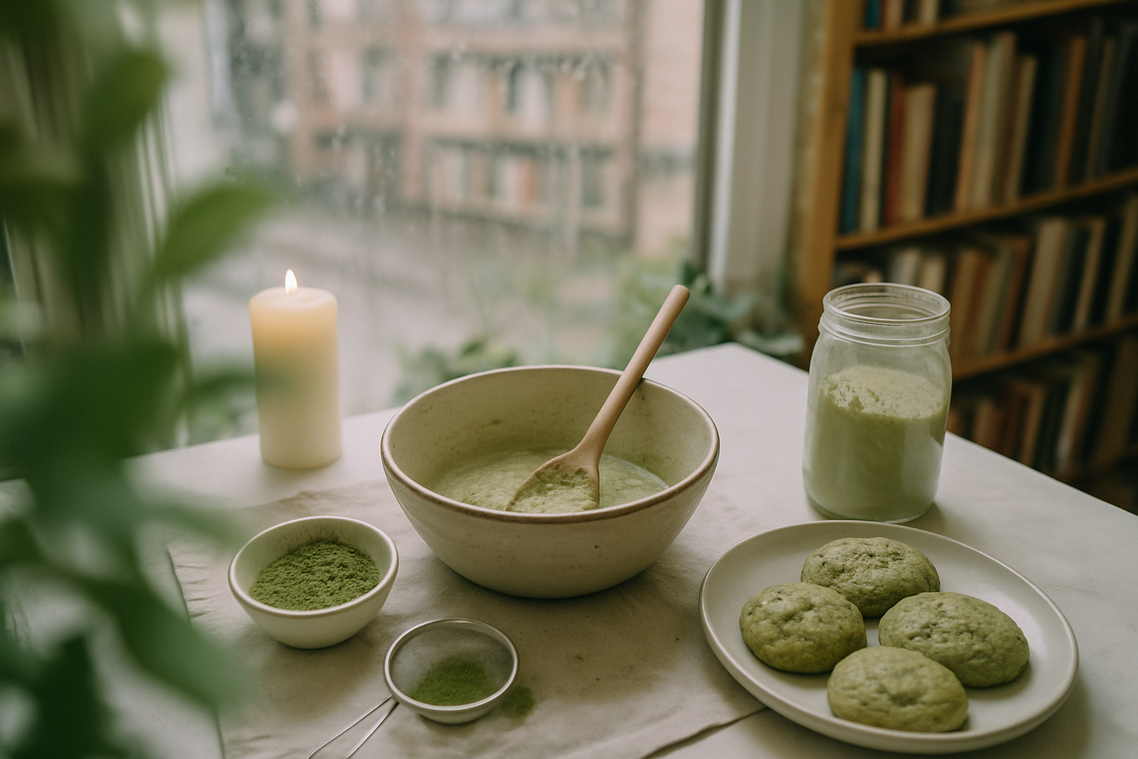
Today’s standout desserts aren’t just about flavor—they’re about contrast. Multi-textural desserts layer CREAMY, FLAKY, and CRISP elements to create a more immersive bite (think of the crack of a crème brûlée giving way to silk beneath). That’s why matcha baking trends are moving beyond color and into structure.
Silky Custards & Mousses
Matcha blends beautifully into crème pâtissière (a thick, cooked custard used in pastries), panna cotta (an Italian set cream), and airy mousses. To prevent clumping, sift matcha with sugar before whisking into warm dairy. This ensures even dispersion and avoids bitterness. Pro tip: bloom matcha in a small amount of warm cream first for a smoother infusion.
Laminated & Flaky Doughs
Laminated dough—like croissants and pain au chocolat—relies on butter layers to create lift. Replace 5–8% of the flour with sifted matcha to preserve gluten strength. Too much powder weakens structure (and nobody wants a flat croissant).
Crisp Elements
In crumbles, sablé bases, or choux au craquelin (a crunchy cookie cap baked onto choux), matcha adds snap and subtle earthiness. Pairing crisp shells with soft centers creates balance—similar to the contrasts explored in earl grey in savory dishes a growing culinary movement.
• Sift matcha thoroughly
• Balance sweetness to tame bitterness
Global Fusion: Matcha Meets International Pastries
Matcha—the finely ground powder made from specially grown green tea leaves—has moved far beyond the teacup. In fact, one of the most exciting matcha baking trends is how chefs are weaving its earthy, slightly sweet profile into iconic desserts from around the world. The benefit? A familiar treat with added antioxidants and a striking green hue (yes, it’s as Instagram-worthy as it sounds).
European Classics, Reimagined
Take Matcha Tiramisu, for example. By substituting matcha for coffee, pastry chefs preserve the dessert’s creamy mascarpone layers while introducing a grassy complexity that balances sweetness. Similarly, Matcha Basque Cheesecake adds depth to the caramelized exterior and custardy center—its subtle bitterness cuts through richness, making each bite feel lighter. Even delicate French financiers, traditionally almond-based tea cakes, gain both color and nuanced flavor with a spoonful of matcha.
Some purists argue that altering classics borders on culinary sacrilege. However, food has always evolved across borders. (If Italy can embrace tomatoes from the Americas, surely tiramisu can handle tea.)
Asian & American Hybrids
Meanwhile, Matcha Mochi Donuts perfectly illustrate cross-cultural creativity. These treats combine Japanese mochi’s chewy texture—created with glutinous rice flour—with the ringed shape of American donuts. The result is springy, crisp-edged, and uniquely satisfying. Matcha-dusted crullers offer another twist, pairing airy French pâte à choux with a vibrant tea finish.
Practical Tip: When adding matcha to classic recipes, reduce other dry ingredients slightly and increase liquid by 1–2 tablespoons per teaspoon of matcha. Additionally, consider trimming sugar by 5–10% to maintain balance, since matcha’s natural bitterness enhances perceived sweetness.
Ultimately, global fusion isn’t about replacing tradition—it’s about enriching it, one green-tinted pastry at a time.
Not All Matcha Is Created Equal: Choosing the Right Grade
Serious bakers know that matcha baking trends start with one thing: quality. Open a fresh tin and you should see a bright, almost electric green powder—never dull, never yellowish. The aroma should be grassy and lightly sweet, like freshly cut hay after rain. When you pinch it, the texture should feel fine and talc-like, melting between your fingers.
Culinary vs. Ceremonial Grade
Ceremonial grade is crafted for whisking with water—smooth, delicate, and sipped straight. Culinary grade, on the other hand, is designed to shine under heat. A high-quality culinary matcha delivers a robust, slightly bittersweet flavor and a vibrant color that won’t fade into murky brown once baked. Some argue ceremonial is “better” for everything, but in cakes or cookies, its subtleties get lost (and that’s an expensive lesson).
What to Look For
- Bright, vivid green color
- Fine, silky texture
- Clear origin details like Uji, Japan
Pro tip: If it smells flat or dusty, your desserts will too.
Your next matcha masterpiece awaits. Explore bold flavors beyond the usual vanilla, refine texture until it turns impossibly tender, and borrow techniques from global kitchens to elevate every bite. The latest matcha baking trends spotlight contrast, balance, and surprise, yet few bakers discuss how acidity sharpens matcha’s grassy depth. Try:
- Pair matcha with yuzu zest for bright lift.
- Bake a Basque cheesecake with a whisper of sea salt.
Move past basic recipes and you’ll unlock a more nuanced baking voice. Pick one direction, preheat boldly, and start experimenting today — your oven is ready. Trust your palate always.
You came here looking for fresh inspiration, creative flavor combinations, and practical ways to elevate your tea-infused creations. Now you have the techniques, flavor pairings, and insights to confidently experiment with chai blends, spiced infusions, and even matcha baking trends in your own kitchen.
If you’ve ever felt stuck making the same recipes or unsure how to balance bold spices without overpowering your dishes, that frustration ends here. With the right infusion methods and ingredient pairings, you can transform everyday meals into aromatic, tea-inspired experiences that feel both comforting and innovative.
Brew Bold, Cook Braver
Don’t let your spice rack collect dust. Start by choosing one new chai blend or tea infusion technique from this guide and try it in your next bake or savory dish. Small changes create unforgettable flavor.
Join thousands of tea-loving home cooks who are already elevating their kitchens with expertly crafted recipes and infusion tips. Explore more recipes, experiment with confidence, and turn your next cup of tea into your next signature dish. Start brewing—and cooking—today.