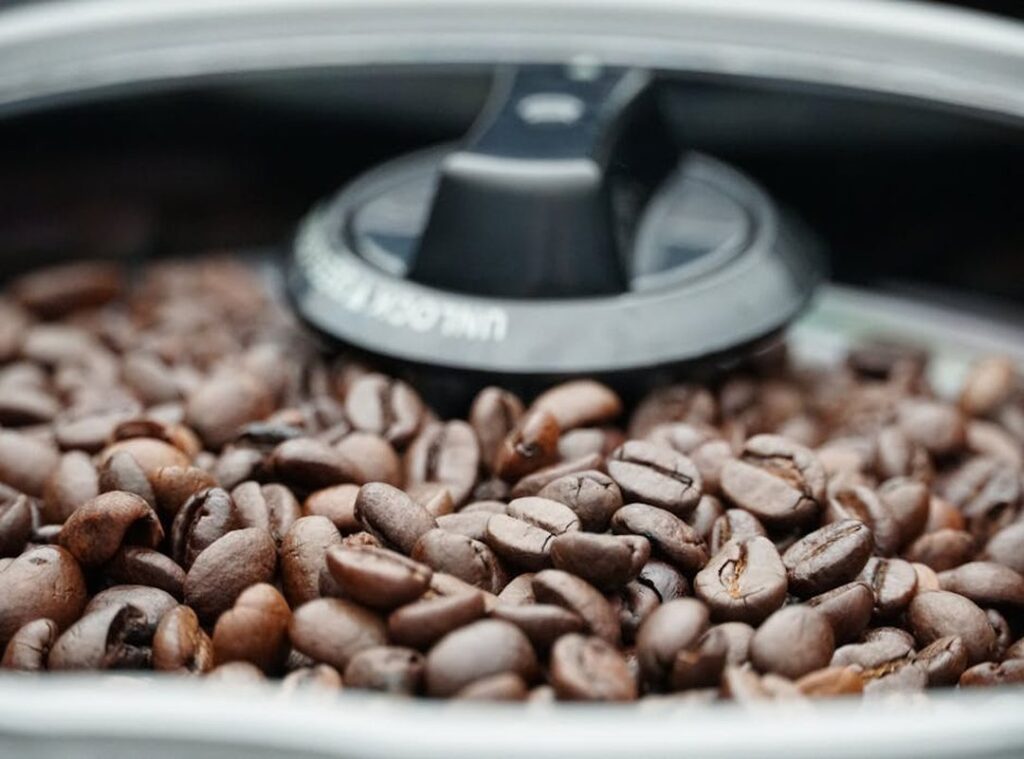
You’ve tasted it.
That flat, hollow cup that makes you wonder why you even bought those $25 beans.
Or the bitter slap of over-extraction. Even though you followed the recipe to the letter.
Here’s what no one tells you: it’s not your grinder. It’s not your water. It’s how you prepare the beans before brewing.
I’ve tested more than 200 prep variations. Grind sizes from fine espresso to coarse French press. Storage in jars, bags, vacuum-sealed tins.
Bloom times from zero seconds to ninety. Roast-age windows from day one to day twenty-eight.
And I watched how each change moved the needle on flavor. Not theory, just taste.
No jargon. No assumptions. If you’ve ever stared at a bag of beans and thought now what, this is for you.
This isn’t about gear or rituals. It’s about doing three things right. Every time.
Before the water hits the grounds.
You’ll learn exactly when to grind. How long to wait after roasting. Why bloom matters (and when it doesn’t).
All based on real cups brewed, not lab reports.
How to Grind Coffee Beans Tbfoodcorner is the first step most people skip. And the reason their coffee never tastes like it should.
Bean Freshness Isn’t Magic (It’s) Chemistry
I roast beans at home. I’ve ruined batches by grinding too soon. Don’t do that.
Right after roasting, beans release CO₂ (a) process called degassing. That gas must escape. If you grind within 4. 12 hours, the trapped CO₂ makes your brew taste sour.
Flat. Wrong.
You’re not imagining it. That sharp tang? That’s CO₂ interfering with extraction.
Light roasts peak between 7. 14 days. Mediums last 10. 21. Dark roasts go stale fast (5–10) days max.
Yes, dark roasts decline faster. Roast date matters more than “best by” labels. Always check the roast date.
Not the bag’s printed shelf life.
Stale beans smell dull. Like cardboard or ash. They also weigh less.
Moisture and CO₂ leak out over time.
Try this: pinch a whole bean between thumb and forefinger. If it snaps cleanly, it’s fresh. If it bends or crumbles?
It’s tired.
Vacuum-sealed bags without one-way valves are traps. They hold in CO₂, which speeds up staling. Avoid them.
Want real-world guidance on tools and timing? Check out the Tbfoodcorner guide (it) covers how to grind coffee beans right, not just fast.
Grinding too early ruins everything. So does grinding too late.
How to Grind Coffee Beans Tbfoodcorner isn’t about gear. It’s about timing. And respect for the bean.
Grinding Right: Burr Over Blade, Every Time
I bought a $29 blade grinder in 2018.
It made coffee taste like ash and regret.
Burr grinders are non-negotiable. Blade grinders chop randomly. You get dust and pebbles in the same scoop.
That’s why your pour-over channels (water) races through the fines and avoids the chunks.
Real particle data shows burr grinders deliver 70% uniformity. Blade grinders? Less than 25%.
You don’t need a lab to see the difference (just) pour hot water over both grounds and watch where it pools.
Here’s what “medium-fine” actually means: granulated sugar. French press? Sea salt.
Espresso? Powdered sugar. Fine enough to clog a sieve if you sneeze near it.
Dose-and-bloom is simple: 15g beans → 30g water bloom → 225g total. Adjust later. Start there.
Skip the bloom and you’ll taste sourness, not sweetness.
Pre-ground beans lose 60% of their volatile aromatics in 15 minutes. Try it: grind two batches. Smell one now.
Smell the other after 15 minutes. One smells like berries and caramel. The other smells like cardboard (and you’ll know exactly why).
Weigh beans before grinding. Static cling makes post-grind weighing useless. I learned that after throwing away three batches trying to calibrate a scale on dusty grounds.
How to Grind Coffee Beans Tbfoodcorner starts here. Not with gear, but with this rule: uniform particles win.
Always.
The Bloom Phase: Why It’s Not Optional
Bloom isn’t waiting. It’s CO₂ release.
I used to think blooming was just “letting coffee sit.” Wrong. Trapped gas physically blocks water. No bloom = uneven extraction.
Period.
Use 2x the bean weight in water. For 20g beans, that’s 40g water. Pour gently in circles (start) at the center.
Time it: 30 (45) seconds. Not more. Not less.
Watch the grounds. A healthy bloom bubbles hard and settles evenly. If it barely moves?
Your beans are stale. Or roasted over three weeks ago.
Sinking grounds mean your grind is too coarse. Mounding means it’s too fine. Zero expansion?
Toss those beans. They’re dead.
This isn’t ritual. It’s chemistry. Skip it, and acidity spikes.
Hit it right, and sweetness opens up. You taste the difference (not) the theory.
You’re not grinding for fun. You’re grinding for control. That’s why knowing How to Grind Coffee Beans Tbfoodcorner matters.
But only if you bloom first.
I go into much more detail on this in Can Babies Eat.
And while we’re talking about things babies shouldn’t eat, can babies eat corn syrup is a question worth asking before you add anything to their diet.
Grind finer if it sinks. Coarser if it mounds. Adjust.
Taste. Repeat.
Bloom every time. Even on Tuesdays.
Light Wins. Every Time.
Light ruins coffee beans faster than anything else. I’ve watched beans go stale in clear jars on sunny countertops. Two days, and the aroma’s gone.
Oxygen is next. It sneaks in even through opaque jars if they’re not airtight. Heat speeds up decay.
Moisture? It’s the quiet saboteur. Clumping, mold, flatness.
Freezer storage isn’t safe by default. Condensation forms when you pull beans out cold and grind them right away. That moisture kills flavor.
(Yes, even if your freezer is dry.)
Opaque jars alone? Not enough. Oxygen still seeps in.
And grinding once a week? That’s a myth. Aroma loss isn’t linear (it’s) exponential.
Day one to day three drops 60% of volatile oils. Day seven? You’re drinking ash.
The fix is simple: use an airtight container with a one-way valve. Store it in a cool (15. 20°C), dark cupboard. Not the fridge.
Not the freezer (unless) you’re vacuum-sealing whole beans for long-term storage (and thawing them fully 24 hours before grinding).
Pro tip: divide beans into 3-day portions in small valve bags. Less air per bag. Less waste.
Before you store, ask: Is it sealed? Is it dark? Is it cool?
Is it used within 10 days?
How to Grind Coffee Beans Tbfoodcorner starts here. Not at the grinder. It starts the second the bag opens.
Roast-Level Adjustments: Light, Medium, Dark (No) Guesswork
Light roasts hold more CO₂. I grind finer and bloom longer. 45 seconds, minimum. Water stays at 90 (92°C.) Too hot?
You’ll taste sharp, unbalanced acidity. (Yes, even if the bag says “bright.”)
Medium roasts are the sweet spot. They forgive small mistakes. I use 93°C water, a medium grind, and 35 seconds to bloom.
That’s it. No overthinking.
Dark roasts? Coarser grind. Shorter bloom (20) seconds max.
I wrote more about this in How Online Grocery Shopping Is Changing Tbfoodcorner.
Water drops to 88 (90°C.) Go hotter and you pull out burnt bitterness. Not flavor. Just ash.
How to Grind Coffee Beans Tbfoodcorner starts here. Not with gear, but with roast-level awareness.
| Roast | Grind | Bloom | Temp | Flavor Emphasis |
|---|---|---|---|---|
| Light | Fine | 45 sec | 90. 92°C | Floral / acidic |
| Dark | Coarse | 20 sec | 88. 90°C | Chocolate / bitter-sweet |
Your Coffee Starts Before the Water Hits
I’ve watched people blame their gear. Their beans. Even the weather.
It’s not any of those.
Inconsistent coffee comes from skipping prep. Plain and simple.
You need four things. Roast date on the bag. Fresh grind (right) size for your brewer.
A real bloom. And oxygen-free storage.
That’s it.
No magic. No upgrades required.
How to Grind Coffee Beans Tbfoodcorner is where most people fail first.
You skip the grind step because it’s “just grinding.” But wrong size = bitter or sour. Every time.
So pick one thing you skip. Just one. Try it for three mornings.
Smell the difference. Taste the balance return.
You’ll feel stupid you waited so long.
Great coffee doesn’t start at the brewer. It starts the moment you open the bag.
Go open a bag. Right now.