If you’re searching for a simple way to elevate everyday meals with deeper, more aromatic flavor, this guide to herb infused vinegar is exactly what you need. From brightening salads to enhancing marinades and finishing roasted vegetables, herb-infused vinegars offer a versatile, natural way to layer complexity into your cooking without overpowering your ingredients.
In this article, you’ll learn how to choose the right herbs, select the best vinegar bases, and infuse them safely for maximum flavor and freshness. We’ll also explore creative culinary uses, smart storage tips, and inspired pairings that reflect current tea-inspired and botanical flavor trends.
Our approach is grounded in hands-on recipe testing, careful ingredient pairing, and a deep understanding of how spices and herbs interact in infused preparations. Whether you’re a home cook experimenting with new flavors or refining your pantry staples, you’ll leave with practical techniques you can confidently use in your own kitchen.
Elevating your pantry starts with flavor, and honestly, few techniques feel as rewarding as crafting herb infused vinegar at home. At first, it might seem fussy. However, the process is beautifully simple. By steeping fresh herbs in quality vinegar, you extract aromatic oils—natural compounds that carry scent and taste—into every drop.
To begin, focus on:
- Fresh, unbruised herbs
- A clean glass jar
- Raw apple cider or wine vinegar
Then, let time do the work. In my view, this small ritual transforms everyday salads, marinades, even wellness tonics into something intentional and vibrant. It truly changes everything. Forever.
Why Infuse? Unlocking a World of Flavor and Function
Infusion transforms ordinary vinegar into a layered ingredient with measurable culinary advantages. By steeping rosemary, garlic, or citrus peel for 5–7 days, volatile oils—aromatic compounds responsible for scent and flavor—disperse into the liquid, delivering complexity beyond simple acidity. The result? Brighter vinaigrettes, deeper marinades, and finishing sauces that taste restaurant-caliber (yes, even on Tuesday night chicken).
Beyond flavor, the wellness potential is tangible. Herbs like ginger and mint contain bioactive compounds—plant chemicals linked to digestive comfort and antimicrobial properties (National Institutes of Health). When crafted as herb infused vinegar, these elements create tonics traditionally used for gut balance, scalp rinses, and skin-refreshing compresses.
It’s also practical and sustainable:
- Uses surplus garden herbs or leftover spices
- Costs less than small-batch specialty bottles
- Reduces food waste while expanding pantry versatility
Pro tip: Store in glass to preserve potency and color.
The Perfect Pairing: A Guide to Vinegars and Herbs
Great cooking often comes down to acid and aroma—and vinegar is the unsung hero that delivers both. Yet most guides stop at “use what you like.” Let’s go deeper.
Choosing Your Vinegar Base
Apple Cider Vinegar is robust and fruity, thanks to acetic acid formed during fermentation (the compound that gives vinegar its tang). It shines in wellness tonics and hearty dressings, especially with sage and thyme. Add warming spices like clove or cinnamon for depth (think mulled cider, but sharper).
White Wine Vinegar is crisp and light, ideal for delicate herbs like dill, tarragon, and basil. Its subtlety preserves volatile oils—those fragile aroma compounds that give herbs their signature scent. Overpower them, and you lose the magic.
Red Wine Vinegar is bold and full-bodied, perfect for rosemary, oregano, and garlic in marinades. Some argue balsamic can do the same job. True—but balsamic’s sweetness can mute herbaceous edges, while red wine vinegar keeps flavors vivid.
Rice Vinegar is mild and slightly sweet. Infuse with ginger, chili, and lemongrass for bright, Asian-inspired dishes. Pro tip: warm the vinegar slightly (not boiling) before steeping to accelerate infusion.
Selecting Your Herbs & Spices: Fresh vs. Dried
Fresh herbs offer vibrant flavor. Bruise leaves to release essential oils.
Dried herbs are concentrated; use one-third the amount.
Whole spices—star anise, peppercorns, cinnamon—add complexity perfect for chai-style blends. A carefully balanced herb infused vinegar can elevate everything from roasted vegetables to cocktails (yes, shrubs are having a moment).
The Alchemist’s Method: A Step-by-Step Infusion Process
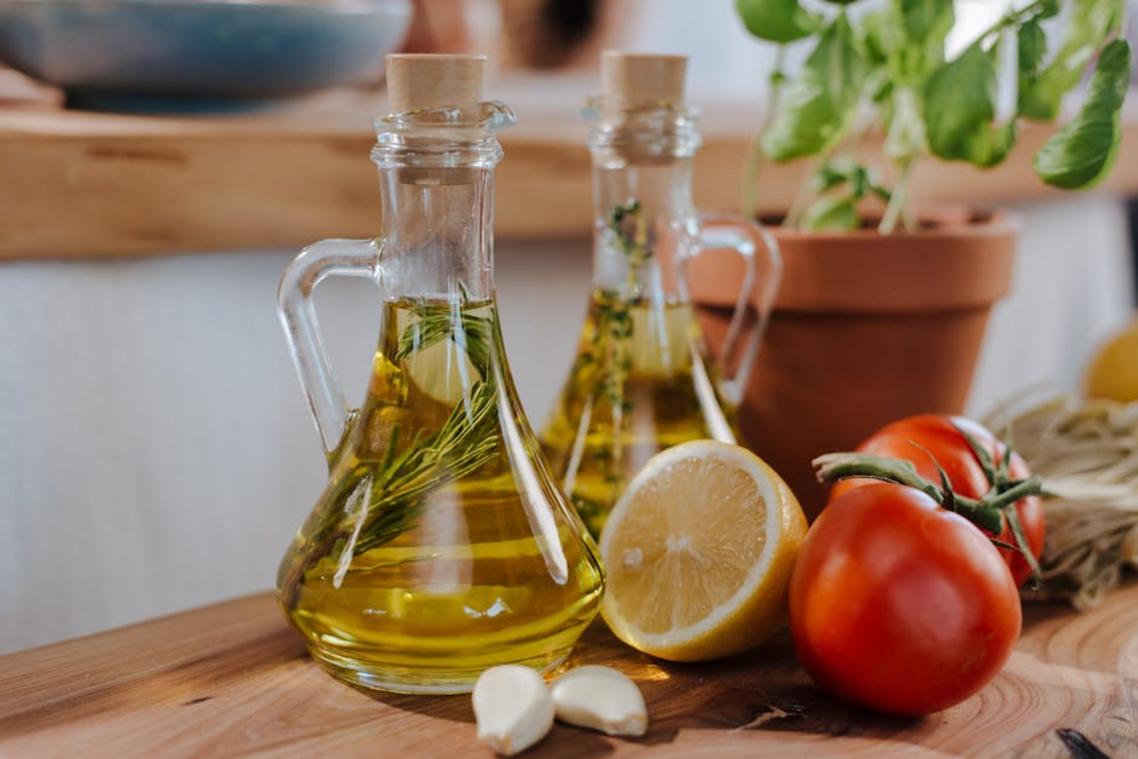
Step 1: Preparation Is Key
First things first—cleanliness isn’t optional; it’s foundational. Fresh herbs must be thoroughly washed to remove dirt, debris, and surface microbes (yes, even the organic ones). Spoilage—the process where bacteria or mold break down food—often starts with excess moisture. So after rinsing, dry herbs completely using a clean towel or air-dry method. Meanwhile, sterilize glass jars and lids by boiling them for 10 minutes. Many people skip this step, assuming vinegar’s acidity will “handle it.” Not quite. While vinegar is acidic (typically 5% acetic acid, per the FDA), contamination can still occur.
Step 2: The Cold Infusion Method (The Patient Path)
Next, for delicate herbs like basil or mint, take the slow route. Combine herbs and vinegar in a sterilized jar, seal tightly, and store in a cool, dark place for 1–4 weeks. Shake every few days to redistribute plant compounds. This gentle extraction preserves volatile oils—the aromatic compounds responsible for flavor (think of it as steeping tea, but longer). Admittedly, some argue this method is too slow for modern kitchens. However, patience yields clarity and layered flavor.
Step 3: The Hot Infusion Method (The Quick Start)
On the other hand, dried or woody herbs like rosemary benefit from warmth. Gently heat vinegar—do not boil—to around 120–140°F, then pour over herbs. Heat accelerates extraction, breaking down tougher plant fibers. Let cool before sealing and steep 1–2 weeks. Pro tip: overheating can flatten subtle notes.
Step 4: Straining and Storing
Finally, strain through cheesecloth into a sterilized bottle. Label and date it. Stored properly, herb infused vinegar lasts up to six months. And if you enjoy experimenting with flavors, explore these quick fruit infused water ideas for everyday hydration for inspiration.
From Kitchen to Apothecary: Putting Your Vinegar to Use
In the Kitchen
• Vinaigrettes: Start with the classic 3:1 ratio—three parts oil to one part vinegar—then elevate it. Whisk in Dijon, honey, or a pinch of sea salt. For example, rosemary-infused vinegar paired with olive oil transforms a basic salad into something restaurant-worthy.
• Marinades: Acid tenderizes by breaking down proteins (that’s simple food chemistry at work). Combine vinegar with garlic, herbs, and a splash of soy sauce for meats, or toss with zucchini and peppers before grilling.
• Finishing Drizzle: A teaspoon over roasted carrots or lentil soup adds brightness and balance. Think of it as seasoning with sparkle.
For Wellness
• Digestive Tonic: Stir a teaspoon of herb infused vinegar into warm water before meals.
• Clarifying Hair Rinse: Dilute 1–2 tablespoons in a cup of water; pour over hair after shampooing.
• Soothing Skin Toner: Mix equal parts gentle infusion and water; apply with a cotton pad.
Your infusion journey starts now. You have the blueprint to turn ordinary vinegar into something memorable. Why does it work? Vinegar preserves, while herbs and spices release aromatic oils and beneficial compounds (nature’s slow magic trick). The result is herb infused vinegar that elevates meals and simple wellness rituals.
What’s next?
- Experiment with one pairing, like rosemary and white wine vinegar.
- Taste after a week, then adjust strength or sweetness.
You might wonder about shelf life or safety; store in sterilized bottles and refrigerate for peace of mind. Pro tip: label every batch with dates. Three simple steps.
Elevate Every Dish with Chai-Inspired Flavor
You came here looking for fresh, creative ways to bring chai-inspired flavor into your kitchen—and now you have the tools to do exactly that. From spiced blends to infused techniques like herb infused vinegar, you’ve seen how simple ingredients can transform everyday meals into something layered, aromatic, and unforgettable.
If your biggest challenge has been making your dishes stand out without overcomplicating the process, the solution is clear: start infusing. Small, intentional additions of warming spices and tea-inspired elements create depth without extra stress.
Now it’s time to put it into practice. Choose one recipe, experiment with a chai blend or herb infused vinegar, and taste the difference for yourself. Join thousands of home cooks already exploring bold, tea-inspired cooking ideas—start brewing, start infusing, and turn your next meal into something extraordinary.