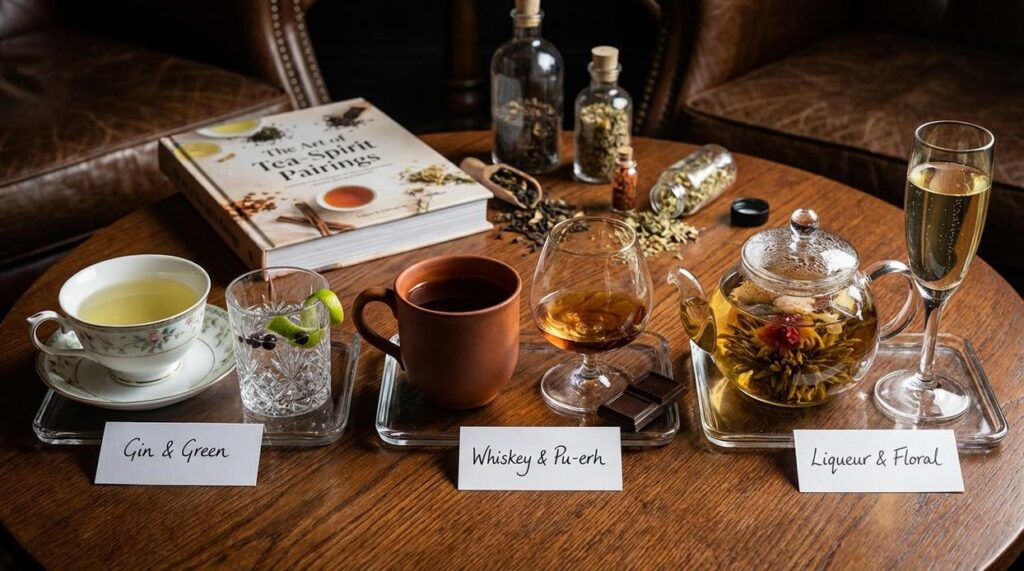
Curious about how to elevate your home bar with layered flavor and aromatic depth? This guide is designed for anyone looking to master tea infused cocktails—from understanding which teas pair best with different spirits to learning simple infusion techniques that actually work. If you’ve ever struggled with weak flavors, overpowering bitterness, or mismatched ingredients, you’re in the right place.
Here, you’ll discover how to balance tannins, sweetness, spice, and citrus so your drinks taste intentional—not experimental. We break down tea selection, steeping times, spirit pairings, and creative garnishes to help you craft cocktails that feel refined and memorable.
Our approach is rooted in hands-on recipe testing, flavor pairing research, and deep knowledge of tea varieties and spiced ingredient fusion. By the end, you’ll have practical, repeatable methods to confidently create tea-forward drinks that stand out at any gathering.
Unlocking a New World of Flavor: The Art of Tea Cocktails
Most home bars rely on soda or juice—quick, sweet, predictable. In contrast, tea introduces tannins (natural compounds that add dryness and structure) and layered aromas. Think vodka + cranberry vs. gin + Earl Grey: one-note versus nuanced.
A vs. B: What Changes?
| Mixer | Flavor Profile | Best With | Result |
|—|—|—|—|
| Soda | Sweet, fizzy | Vodka, rum | Light but simple |
| Black Tea | Bold, tannic | Gin, bourbon | Structured, aromatic |
| Green Tea | Fresh, grassy | Tequila | Crisp, bright |
Admittedly, some argue tea complicates mixing. However, tea infused cocktails offer balance without excess sugar (a pro tip: chill brewed tea before shaking). Ultimately, it’s craft over convenience.
Why Tea is the Ultimate Cocktail Ingredient
At first glance, adding tea to alcohol might sound trendy but unnecessary. However, tea does far more than contribute flavor. It adds structure, meaning the subtle grip from tannins—natural compounds that create a drying sensation (like in red wine). That grip helps a drink feel balanced rather than flat. In addition, tea contains volatile compounds, which are aromatic molecules that lift floral, smoky, or citrus notes into your nose before you even sip. Visually, it also deepens color, giving cocktails a rich amber, ruby, or jade hue.
Next, consider variety. Black teas are bold and malty. Green teas taste grassy or vegetal. Oolong lands floral and creamy. Herbal blends lean fruity or spicy. With such range, tea infused cocktails can mirror nearly any mood.
Finally, tea acts as a balancing tool. It softens harsh spirits and cuts through sugary syrups, creating a smoother, more sophisticated drink (think less candy, more craft).
Mastering the Perfect Pairings: Which Tea Goes with Which Spirit?
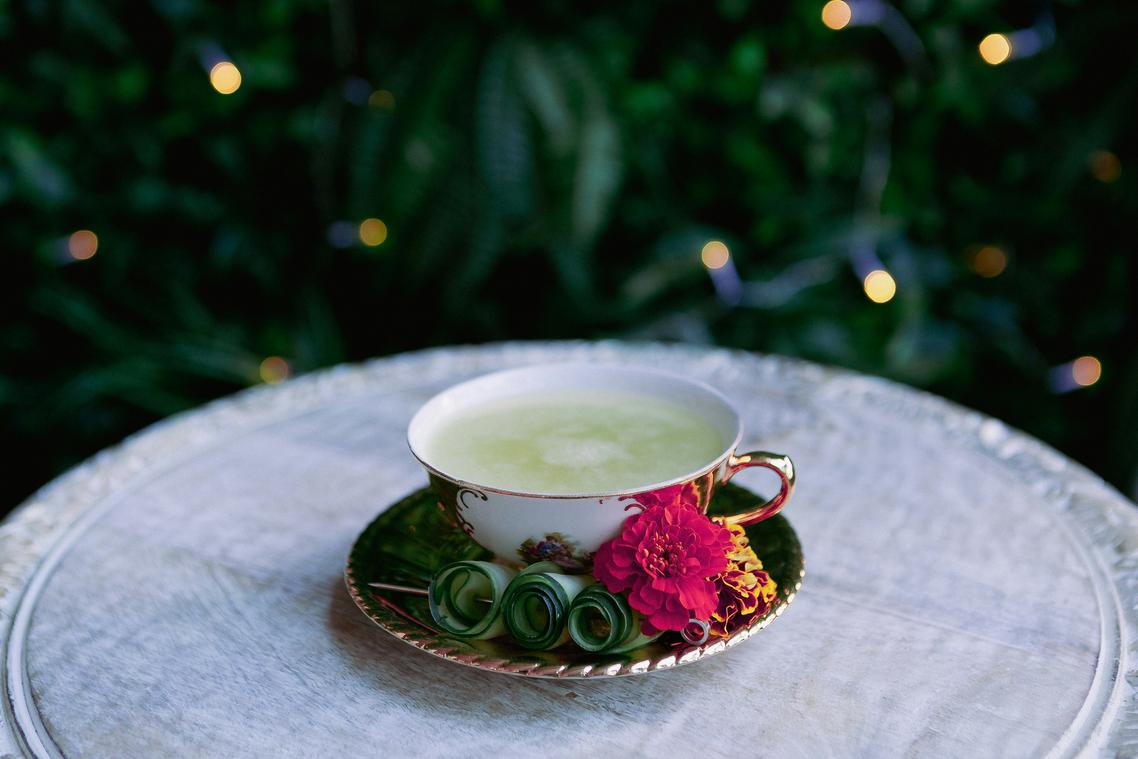
Pairing tea with spirits isn’t just trendy—it’s sensory science. Tannins (natural compounds in tea that create dryness) interact with alcohol much like they do with wine, shaping balance, bitterness, and aroma. So, which tea goes with which spirit? Let’s make it simple.
Quick Pairing Guide
| Tea Type | Flavor Profile | Best Spirit Matches | Why It Works |
|———–|—————-|——————–|————–|
| Black (Earl Grey, English Breakfast, Chai) | Bold, malty, spiced | Whiskey, bourbon, dark rum | Complements barrel-aged vanilla and caramel notes |
| Green (Sencha, Matcha) | Grassy, vegetal | Gin, vodka, light rum | Enhances botanicals and keeps drinks crisp |
| Floral/Fruity (Jasmine, Hibiscus, Oolong) | Aromatic, bright | Gin, tequila blanco, St-Germain | Lifts delicate floral tones |
| Smoky (Lapsang Souchong) | Smoky, piney | Peated Scotch, mezcal | Amplifies smoky depth |
For example, chai’s cinnamon and clove mirror bourbon’s oak spice (think cozy autumn in a glass). Meanwhile, matcha’s umami—a savory depth—pairs beautifully with gin’s juniper-forward botanicals.
Some argue tea complicates cocktails, claiming spirits alone shine best. Fair point. However, when balanced properly, tea adds structure without extra sugar—something the Distilled Spirits Council notes consumers increasingly prefer in modern drinks (DISCUS, 2023).
If you’re experimenting with tea infused cocktails, start light: brew tea at half strength to avoid overpowering alcohol. Pro tip: cold-brew smoky teas to reduce bitterness.
And if smoky flavors intrigue you, explore how tea transforms savory dishes in the popularity of tea smoked proteins in gourmet cooking.
Ultimately, pairing tea and spirits is about harmony—not dominance. Taste, adjust, repeat.
Step-by-Step Recipe: The Ultimate Spiced Chai Old Fashioned
Think of this drink as your favorite wool sweater in cocktail form—classic, dependable, but elevated with a swirl of spice. The Old Fashioned is already a timeless melody; chai simply adds harmony.
The Concept
A traditional Old Fashioned balances spirit, sugar, and bitters. By swapping plain simple syrup for chai-infused syrup, you layer in cinnamon, clove, and cardamom—like turning a black-and-white film into full color.
Ingredients
- 2 oz bourbon or rye whiskey
- 1/2 oz chai-infused simple syrup
- 2–3 dashes Angostura bitters
- Orange peel (for garnish)
- 1 large ice cube
How to Make the Chai-Infused Syrup
- Combine 1 cup water and 1 cup sugar in a saucepan over medium heat.
- Stir until dissolved, then add 2 chai tea bags (or 2 tbsp loose-leaf chai).
- Steep 10 minutes for a bold, concentrated flavor.
- Strain and cool completely.
(If the syrup tastes like weak tea, steep longer—flavor should be as assertive as your whiskey.)
Mixing Instructions
- Add chai syrup and bitters into a rocks glass.
- Pour in the whiskey and stir gently.
- Add the large ice cube and stir 20–30 seconds until chilled.
- Express the orange peel over the drink, then drop it in.
The result? A slow-sipping masterpiece that bridges tradition and innovation—proof that tea infused cocktails can feel as iconic as Sinatra on vinyl.
Beyond the Basics: Techniques for Infusing Spirits with Tea
Most guides stop at “steep and strain.” That’s fine—but it leaves depth on the table.
The Cold Brew Method (Slow Infusion)
Add loose-leaf tea directly to a bottle of spirits and let it sit at room temperature for 4–48 hours. This LOW-INTERVENTION method protects delicate aromatics (think jasmine or white peony). Critics argue long infusions risk bitterness. True—if you ignore leaf size and agitation. Use whole leaves and taste every few hours for precision most tutorials skip.
The Rapid Infusion Method (Using Heat)
Gently warm spirit and tea together—never boil (alcohol evaporates at 78.37°C, per the Royal Society of Chemistry). Heat accelerates extraction, ideal for bold chai spices. Some purists say heat “flattens” nuance. Controlled warmth, however, unlocks layered spice notes PERFECT for tea infused cocktails.
Fat-Washing with Tea
Infuse melted coconut oil or butter with tea, blend into spirits, freeze, then strain.
- Adds silkiness
- Captures fat-soluble flavors
- Creates TEXTURE competitors rarely discuss
Pro tip: Toast spices before fat infusion for amplified aroma.
Your Next Steps in Tea-Infused Mixology
Think of tea as the bassline in a great song—it anchors the melody while letting everything else shine. Now that you understand why tea works and which pairings sing, it’s time to PLAY WITH YOUR FLAVOR PALETTE. Using tea as a mixer, syrup, or direct infusion is like choosing whether to sauté, roast, or grill—same ingredient, different depth.
Start with the Spiced Chai Old Fashioned, then branch out using your favorite spirits. Tea infused cocktails are less chemistry lab, more kitchen intuition. Experiment boldly (some of the best discoveries start as happy accidents). Your signature pour is waiting.
Steep Your Next Creation with Confidence
You came here looking for fresh inspiration to elevate your chai creations—and now you have the flavors, techniques, and pairing ideas to make it happen. From layered spices to unexpected ingredient fusions, you’ve seen how a thoughtful approach can transform simple tea into something unforgettable.
If you’ve ever felt stuck making the same blends or unsure how to balance bold spices without overpowering your dish, that frustration ends here. With the right combinations and infusion methods, you can create standout recipes, memorable desserts, and even tea infused cocktails that surprise and delight.
Now it’s time to put this into practice. Start by choosing one new spice pairing or infusion method and experiment in your kitchen this week. Explore more chai-forward recipes, discover trending flavor profiles, and refine your technique with trusted guidance that tea lovers rely on.
Don’t let your chai creations stay ordinary. Dive deeper, try something bold, and turn your next cup into a signature experience.