Imagine lifting the lid from a pan and breathing in a swirl of fragrant smoke—earthy, slightly sweet, layered with spice—before tasting a bite so tender and aromatic it feels entirely new. Yet home cooks often fall into a routine, preparing the same roasted or pan-seared dishes that lack depth and surprise. Tea-smoking is an ancient, accessible technique that transforms everyday ingredients into extraordinary tea smoked proteins using simple pantry staples like loose-leaf tea, rice, and sugar. In this guide, you’ll learn a complete, step-by-step method—from selecting the right tea to mastering the technique in a basic wok or pan—so you can confidently recreate this unforgettable flavor at home.
Why Smoke with Tea? The Science of Aromatic Infusion
Wood smoke is bold, resinous, and sometimes heavy—think campfire clinging to a wool sweater. Tea smoke, by contrast, is lighter and more aromatic, layering fragrance rather than force. The difference lies in volatile compounds: tea leaves release delicate aromatic oils when heated, which interact with proteins more subtly than hardwood phenols (the compounds responsible for that classic smoky punch). I’ll admit, food scientists still debate exactly how deeply these aromatics penetrate meat fibers, but the sensory impact is undeniable.
The classic trio works like kitchen alchemy:
- Tea leaves for aroma, uncooked rice to diffuse heat and absorb moisture, and sugar to encourage caramelization.
As heat rises, the Maillard reaction (a chemical reaction between amino acids and sugars) teams up with caramelization to create that glossy, mahogany skin. The result? Complex, gently sweet tea smoked proteins with striking color and nuance.
Your Tea-Smoking Toolkit: Essential Gear and Ingredients
You don’t need a backyard smoker that looks like it belongs on a barbecue competition show. In fact, this setup is more “tiny kitchen MacGyver” than “pitmaster showdown.” All you need is:
- A wok or deep pan with a tight-fitting lid
- A wire rack that fits inside
- Aluminum foil for lining and easy cleanup
That’s it. No fancy gadgets. (Your stovetop is about to pull a quiet superhero move.)
Core Ingredients
The smoking base is non-negotiable:
- Loose-leaf tea
- Uncooked white rice
- Brown sugar
The tea provides aroma, the rice regulates heat, and the sugar caramelizes into fragrant smoke—the holy trinity behind unforgettable tea smoked proteins.
Expanding the Flavor Profile
Want chai-level drama? Add whole spices like star anise, cinnamon sticks, cloves, or dried orange peel. Think of it as assembling the Avengers of aroma—each spice stepping in for a bold, cinematic finish.
Pro tip: Lightly crush whole spices to wake up their essential oils before smoking.
Pairing Perfection: Matching Teas and Spices to Proteins
Great pairings are about balance. The goal isn’t to make tea louder than the protein—it’s to create harmony (like a culinary duet, not a solo).
For Delicate Proteins
Fish, scallops, tofu need subtle partners. Choose light, floral teas such as Jasmine or fresh Green tea. Their gentle aromatics enhance sweetness without masking texture. Think of jasmine-steamed scallops or green tea–poached cod—clean, fragrant, precise.
Recommendation: Brew the tea slightly lighter than you would for drinking to avoid bitterness.
For Poultry
Chicken and duck can handle more complexity. Medium-bodied teas like Oolong add toasted depth, while Earl Grey contributes bright bergamot—an oil from citrus peel that delivers floral citrus notes. Duck with Earl Grey glaze? It’s classic for a reason.
Pair with:
- Star anise + duck
- Orange peel + chicken
For Richer Meats
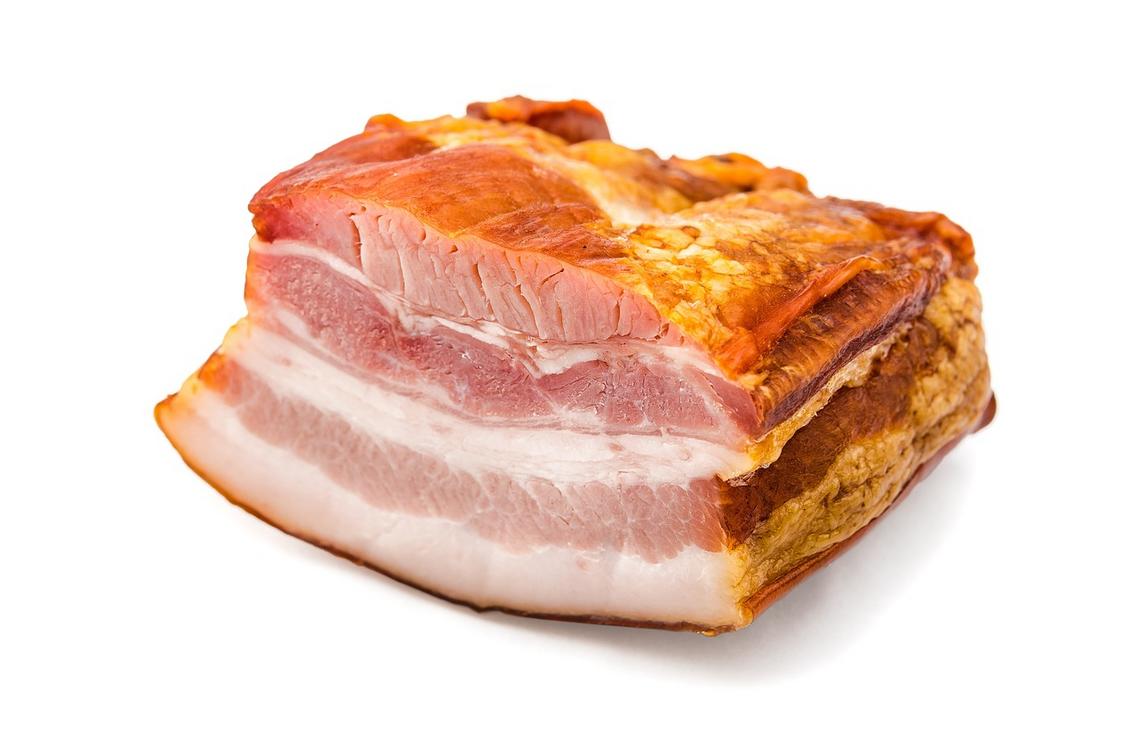
Pork and beef demand boldness. Smoky Lapsang Souchong or malty black teas like Assam stand up beautifully. These teas shine in marinades and even tea smoked proteins, where their tannins (natural compounds that add structure and slight astringency) cut through fat.
Try adding:
- Szechuan peppercorns + pork
- Cracked black pepper + beef
When in doubt, match intensity to intensity—and let the tea lead with confidence.
The Complete Step-by-Step Guide to Tea-Smoking
Step 1: Protein Preparation
First things first, moisture is the enemy of smoke. Pat your protein completely dry—this helps the smoke adhere instead of steaming the surface (yes, steaming is the silent saboteur). Lightly season with salt and a touch of sugar to encourage caramelization. For larger cuts like chicken thighs or pork belly, pre-cook by poaching or briefly searing. This ensures the interior is fully cooked since tea-smoking is primarily a flavoring method, not a full cook.
Step 2: Preparing the Wok
Next, line your wok with a double layer of foil, leaving a generous overhang. That overhang matters—it creates a tighter seal later, trapping aromatic compounds where they belong.
Step 3: Mixing the Smoking Ingredients
Combine loose tea leaves, uncooked rice, and sugar. The tea provides aroma, rice stabilizes heat, and sugar fuels smoke production. Add spices like star anise or citrus peel for complexity. Spread evenly across the foil.
Step 4: The Setup
Place a wire rack over the mixture without letting it touch. Arrange your protein in a single layer for even airflow—crowding leads to uneven tea smoked proteins.
Step 5: The Smoking Process
Cover with the lid, crimp the foil tightly, and heat on medium-high until wisps appear. Then reduce to medium-low. Smoke shrimp 5–8 minutes, tofu 10–12, chicken pieces 15–20.
Step 6: Resting
Finally, rest 5–10 minutes. This allows volatile flavor compounds to settle (think of it as letting the smoke finish its sentence). For more infusion ideas, explore bubble tea flavors influencing dessert culture.
Great flavor starts before the heat kicks in. Here’s what I swear by:
- Ventilation matters. Turn on exhaust fan; smoke buildup dulls aromas and lingers longer than you think.
- Don’t peek. Lifting the lid lets precious smoke escape and stalls the process (patience is part of the seasoning).
If it tastes bitter, you likely smoked too long or too hot. Next time, lower heat and shorten timing. Pro tip: practice with tea smoked proteins first.
Your culinary journey starts now. Tea smoked proteins prove that flavor doesn’t require complicated gear or chef-level credentials. In fact, the popular belief that smoking food demands smokers and time? Overrated. A handful of loose leaves and a pan can transform dinner.
Consider this your launchpad:
- Blend tea with citrus peel.
- Try tea with pepper.
Create boldly. The next time you want to elevate a meal, look no further than your tea canister.
Bring the Depth of Chai Into Every Dish
You came here looking for creative ways to elevate your cooking with chai-inspired flavor—and now you have the techniques, pairings, and confidence to do exactly that. From layered spice blends to tea smoked proteins, you’ve seen how chai can transform everyday meals into bold, aromatic experiences.
The real frustration isn’t a lack of recipes. It’s serving dishes that feel flat or predictable. Infusing your kitchen with chai’s warmth, spice, and depth solves that problem beautifully—adding complexity without overwhelming your ingredients.
Now it’s time to put it into practice. Start experimenting with small-batch spice infusions, try tea smoked proteins for your next gathering, and explore new ways to weave brewed chai into sauces and desserts.
Join thousands of home cooks who are already redefining flavor with chai-inspired techniques. Don’t settle for ordinary meals—start crafting unforgettable, spice-layered dishes today.