If you’re searching for authentic kashmiri kahwa ingredients, you likely want more than just a list—you want to understand what makes this traditional tea so aromatic, restorative, and culturally significant. Kashmiri kahwa isn’t just green tea with spices; it’s a carefully balanced infusion of saffron, warming spices, and nuts that create its signature flavor and healthful qualities.
In this guide, we’ll break down each ingredient, explain its role in the blend, and share tips to help you recreate the authentic taste at home. From selecting high-quality saffron to choosing the right green tea base, every detail matters.
Our approach is rooted in extensive research into traditional preparation methods, regional variations, and time-tested brewing techniques to ensure accuracy and authenticity. By the end, you’ll know exactly what goes into a proper cup of kahwa—and how to prepare it with confidence.
Beyond the Brew: Unlocking the Soul of Kashmiri Kahwa
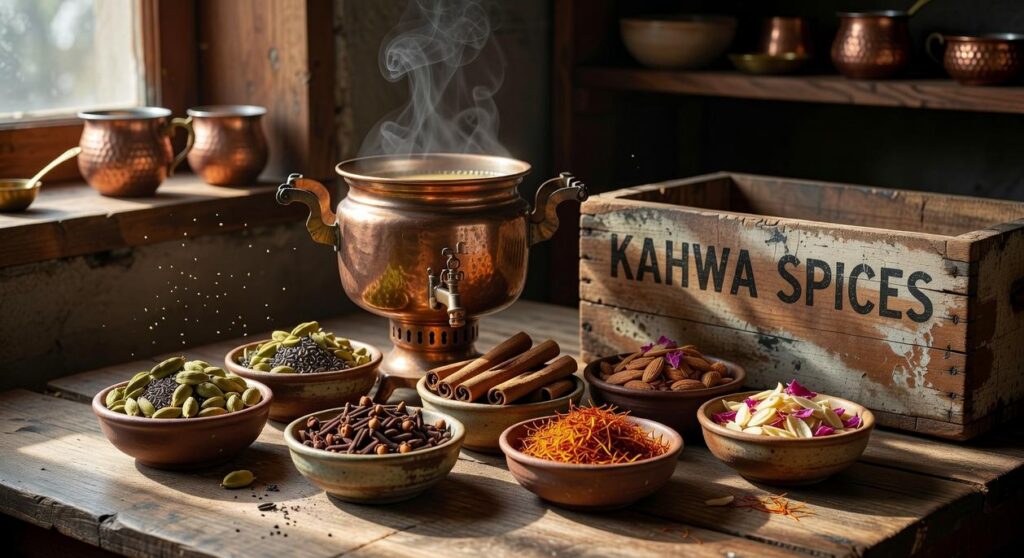
Kashmiri Kahwa is more than a beverage; it is a layered ritual built on precise kashmiri kahwa ingredients that each serve a purpose. Green tea forms the brisk base, delivering gentle caffeine and antioxidants. Saffron threads add floral depth and golden hue, while cardamom and cinnamon create aromatic warmth that lingers on the palate. Almond slivers contribute texture and subtle sweetness.
Every element works in synergy, transforming hot water into comfort, clarity, and calm. The result is a cup that soothes digestion, awakens the senses, and wraps you in fragrant heat.
The Foundation: Why Kashmiri Green Tea Leaves Matter
First things first: the soul of Kahwa lives in its leaves. In my opinion, this isn’t negotiable. The traditional green tea grown in Kashmir’s valleys has a softer, less astringent profile than many Japanese or Chinese varieties. In other words, it doesn’t bully the spices (and nobody likes an overbearing base note).
Because of that gentle character, the tea acts like a canvas—earthy, subtle, quietly confident. It lets saffron, cardamom, and cinnamon perform without turning the cup bitter. Some argue that any green tea will do since the spices dominate anyway. I disagree. When the base is too tannic—meaning high in naturally bitter plant compounds—the entire brew feels sharp rather than soothing.
If you can’t source authentic leaves, here’s my take:
- Choose a low-tannin gunpowder green tea.
- Avoid grassy, overly vegetal blends.
- Taste before committing to your full kashmiri kahwa ingredients lineup.
Ultimately, the right leaf complements—it never competes.
The Heart of Kahwa: The Essential Spice Quartet
At its core, Kahwa is defined by four spices that work in quiet harmony. Together, they form what many consider the classic kashmiri kahwa ingredients, though families often debate proportions (and guard their ratios like treasured secrets).
First, Saffron (Kesar) is the crown jewel. Just a few strands release a golden hue and a subtly sweet, floral aroma. Its flavor is delicate yet unmistakable. That said, some argue saffron is optional due to its cost. I understand the hesitation—authentic saffron is expensive, which explains why saffron is one of the worlds most valuable spices. Still, without it, the brew feels incomplete (like a symphony missing its lead violin).
Next comes Cinnamon (Dalchini), the warm backbone. A whole stick—not powder—infuses slowly, adding woody sweetness without clouding the tea. Meanwhile, Green Cardamom (Elaichi) provides aromatic lift. Gently crushed pods release essential oils that brighten each sip with minty sweetness.
Finally, Cloves (Laung) add pungent depth. Used sparingly, one or two lend peppery warmth. Some say cloves overpower the blend; honestly, they can—if overused. Precision matters.
| Spice | Flavor Role | Key Contribution |
|——-|————|—————–|
| Saffron | Floral sweetness | Color and luxury |
| Cinnamon | Woody warmth | Balanced sweetness |
| Cardamom | Aromatic brightness | Fresh lift |
| Cloves | Peppery depth | Complexity |
Of course, exact measurements remain debated. Perhaps that’s the beauty of Kahwa—tradition guides it, but intuition perfects it.
Aromatic Layers: The Role of Florals and Nuts
Beyond the core spices, Kahwa unfolds in aromatic layers that feel almost theatrical. “It’s the rose that makes people pause,” one home cook from Srinagar told me. “They lean in before they even sip.” Dried rose petals—edible, fragrant blossoms—add a soft floral top note (that first scent you notice before tasting). In other words, they don’t overpower; they hover gently above the saffron and cardamom, rounding the aroma with a subtle sweetness.
Of course, some purists argue florals are unnecessary. “The saffron is enough,” a tea vendor once insisted. Yet even he admitted that during weddings, rose petals are expected—tradition has a way of winning those debates.
Then come the nuts. Slivered almonds, and occasionally crushed walnuts, are more than garnish. They contribute texture—meaning the physical sensation of crunch against warm liquid—and a mellow, nutty depth. Added directly to the cup before pouring, they soften slightly while retaining bite. It’s a small ritual, but an important one.
When discussing kashmiri kahwa ingredients, these additions often spark the most conversation. Pro tip: lightly toast the almonds beforehand to intensify flavor (a trick many grandmothers swear by). Think of it as the director’s cut—same story, richer experience.
The Final Touch: Balancing Sweetness and Flavor
Sweetness in Kahwa should harmonize with the spices, not steal the spotlight. After all, what’s the point of saffron and cinnamon if all you taste is sugar? Traditionally, honey is the sweetener of choice. Its floral depth complements the warmth of the spices, adding complexity rather than just sweetness. In particular, raw honey brings subtle earthy notes and natural enzymes that refined options lack (and yes, you can taste the difference).
On the other hand, some prefer sugar or crushed rock candy for a cleaner finish. This neutral sweetness lets the kashmiri kahwa ingredients shine without interference. Sound like your style?
Either way, timing matters. Add your sweetener at the end of brewing so each cup can be adjusted to taste. Because ultimately, shouldn’t your Kahwa reflect your palate rather than a fixed recipe?
Assembling the Perfect Cup: A Symphony of Ingredients
In the chilly mornings of Srinagar, when mist hovers over Dal Lake and copper samovars steam in market stalls, Kashmiri Kahwa is more than tea—it’s ritual. Each component plays a precise role, much like instruments tuning before a Sufi melody begins. Understanding kashmiri kahwa ingredients means appreciating how terroir, trade routes, and tradition converge in a single cup.
Consider the structure:
- Green tea leaves form the delicate base, traditionally sourced from select Himalayan suppliers.
- Saffron strands from Pampore lend floral depth and that unmistakable golden hue.
- Crushed cardamom and cinnamon provide warmth suited to Kashmir’s brisk climate.
- Slivered almonds add texture and subtle richness.
Some argue modern shortcuts—tea bags, powdered mixes—deliver the same comfort. Convenient? Sure. Comparable? Not quite. The slow steep in a brass kettle allows oils and aromatics to bloom naturally (patience, here, is an ingredient too). Mastering this balance transforms a simple brew into an authentic sensory experience.
Bring the Warmth of Kahwa Into Your Kitchen
You came here to understand what makes this traditional brew so special, and now you know how the right kashmiri kahwa ingredients come together to create its signature warmth, aroma, and soothing flavor. From fragrant spices to delicate tea leaves, each element plays a role in delivering comfort in every sip.
If you’ve ever struggled to recreate that authentic taste at home, the secret isn’t complicated—it’s about choosing quality ingredients and balancing them with care. Missing that depth of flavor or that perfect golden hue can turn a beautiful tradition into a disappointing cup.
Now it’s your turn to put this knowledge into action. Start with fresh, high-quality kashmiri kahwa ingredients, follow the right infusion techniques, and experiment confidently in your kitchen.
Ready to elevate your chai experience? Explore our trusted recipes and spice guides loved by thousands of tea enthusiasts, and start brewing a cup that tastes truly authentic today.