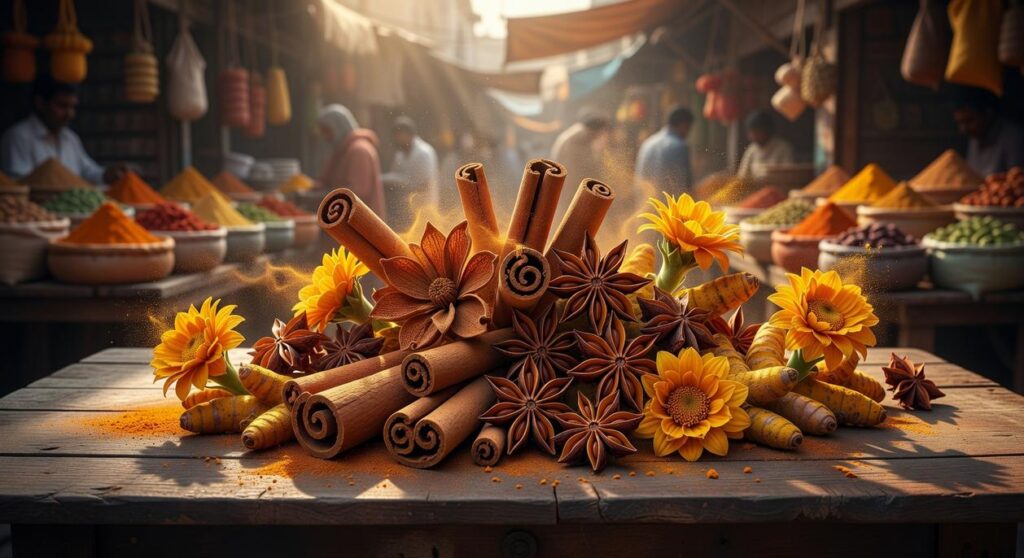
If you’ve ever wondered why some chai tastes deeply layered and aromatic while others fall flat, the answer often comes down to one essential technique: toasting vs blooming spices. Understanding the difference can transform not only your tea, but also every spiced dish you make.
This article is designed for home cooks and chai lovers who want to master the foundations of spice handling. We’ll break down what each method actually does to flavor compounds, when to use one over the other, and how to apply both techniques to chai blends, syrups, and tea-infused recipes. You’ll learn how heat, fat, and timing influence aroma, depth, and balance.
Our guidance draws on culinary best practices, tested kitchen techniques, and a deep focus on spice-forward cooking. By the end, you’ll know exactly how to unlock fuller flavor from your ingredients—without guesswork.
Spices tasting dull or dusty straight from the jar? You’re not alone. The problem isn’t freshness—it’s activation. Most home cooks skip the simple step that separates flat flavor from unforgettable aroma. The solution lies in two professional techniques: toasting and blooming. In this guide to toasting vs blooming spices, you’ll learn the science behind heat releasing essential oils, the exact how-to for each method, and when to use them for maximum impact.
Benefits you’ll gain:
- Brighter, deeper flavor in every dish
- Stronger aroma and complexity
- Better value from the spices you already own
Small step, massive upgrade.
The Aromatic Science: Why Heat Transforms Flavor
Spices contain volatile aromatic compounds—tiny molecules responsible for scent and taste—that are trapped inside rigid plant cell walls. When heat is applied, those walls rupture, releasing aroma into the air and your food. Food chemists note that many key spice compounds, like cumin’s cuminaldehyde, vaporize at relatively low temperatures, which explains why fragrance intensifies almost instantly in a hot pan (McGee, On Food and Cooking).
Dry heat triggers additional reactions. The Maillard reaction—a chemical process between amino acids and sugars—creates deeper, nutty notes and browned complexity. Studies show Maillard byproducts can generate hundreds of new flavor compounds (Mottram, 1998). That’s the science behind toasting vs blooming spices.
In contrast, blooming spices in oil extracts fat-soluble compounds such as curcumin in turmeric. Because these molecules dissolve in fat, they disperse evenly through a dish (pro tip: warm oil gently to avoid scorching delicate aromatics). Heat doesn’t just intensify flavor—it redistributes and transforms it.
Technique Deep Dive: Building Complexity with Dry Toasting
Define Toasting: Toasting is the process of heating whole or ground spices in a dry pan over medium heat to intensify their flavor. Unlike frying, no oil is used. Instead, direct heat awakens the essential oils inside the spice (the aromatic compounds responsible for flavor and scent).
Step-by-Step Guide
First, place a heavy skillet over medium heat and let it warm for about a minute. Next, add whole spices in a single layer—avoid overcrowding. Shake the pan constantly to prevent scorching. Within 2–4 minutes, you’ll notice the spices become highly fragrant and slightly darker. That aroma is your cue. Immediately transfer them to a cool plate to stop the cooking.
If you’re comparing toasting vs blooming spices, remember: toasting uses dry heat, while blooming happens in oil to flavor the fat itself.
The Flavor Effect
So what actually changes? Toasting mellows harsh or raw notes, deepens complexity, and adds a nutty, roasted character. For example, raw cumin can taste sharp and grassy. Toasted cumin? Warmer, rounder, almost smoky.
Best Spices for Toasting
Whole cumin seeds, coriander seeds, fennel seeds, and peppercorns are ideal. Toasting before grinding is superior because whole spices retain volatile oils longer; grinding first exposes them to air, which dulls flavor faster (Harold McGee, On Food and Cooking).
Practical Applications
Use freshly ground toasted spices for custom rubs, stir into soups as a finishing touch, or dust over yogurt and fruit for contrast. Pro tip: toast small batches only—freshness fades quickly.
Technique Deep Dive: Infusing Dishes by Blooming in Fat
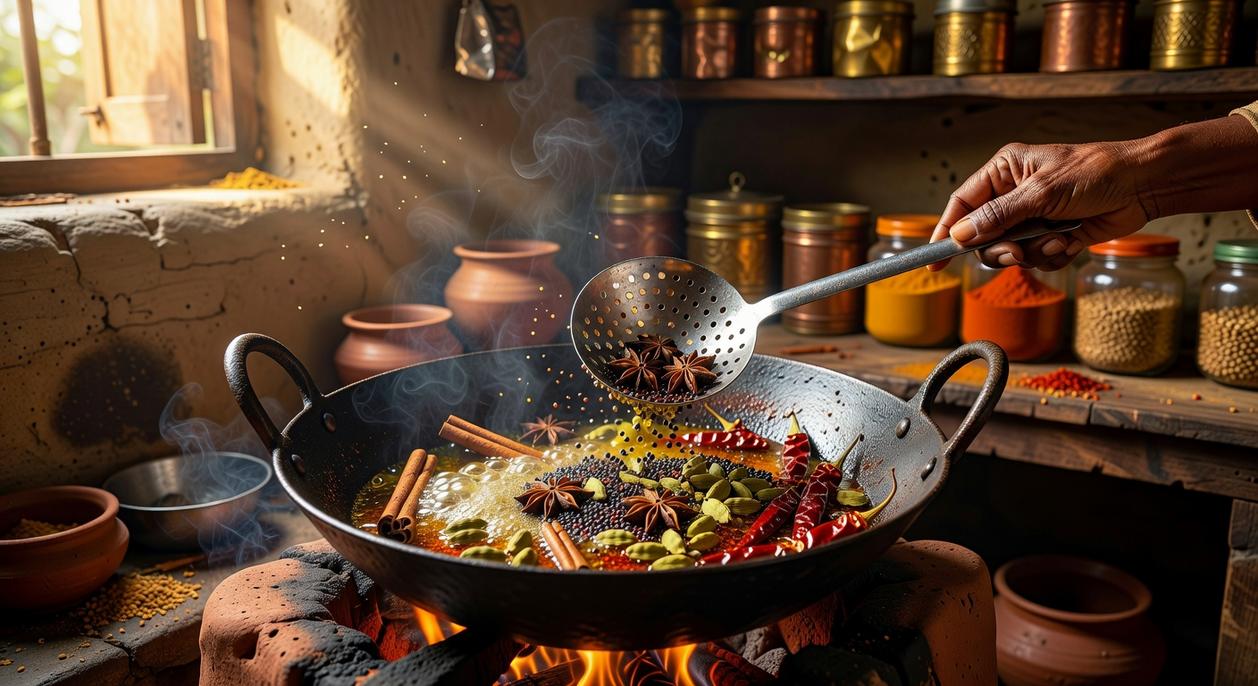
Blooming is the process of briefly frying spices in hot oil or fat—like ghee or butter—to release their fat-soluble flavors. Many of the most aromatic compounds in spices, such as curcumin in turmeric and capsaicin in chili peppers, dissolve more effectively in fat than in water (Harvard T.H. Chan School of Public Health). That’s why this step matters.
Step-by-Step Guide
- Heat 1–2 tablespoons of fat over medium heat until shimmering (about 325–350°F).
- Add whole seeds first. Mustard seeds will sizzle and pop; cumin seeds will darken and release a nutty aroma.
- Stir constantly for 30–60 seconds.
- Add ground spices last and cook briefly—10–20 seconds—until fragrant.
Control is everything. Too cool, and flavors stay muted. Too hot, and spices burn, turning bitter (we’ve all had that scorched-curry moment). Listen for the sizzle—that’s your cue you’re on track.
The Flavor Effect
Blooming doesn’t just cook spices; it infuses the fat with their essence. That flavored fat then disperses throughout a dish, evenly carrying aroma and depth. Research published in Food Chemistry confirms that fat increases the perception and stability of volatile flavor compounds.
Best Spices for Blooming
- Whole seeds: mustard, cumin
- Ground spices: turmeric, paprika, cayenne
- Chili flakes
In the debate of toasting vs blooming spices, remember: dry toasting intensifies surface aroma, while blooming distributes flavor throughout the entire dish.
Practical Applications
This technique forms the backbone of curries through a “tadka” (tempering), and elevates soups and lentils. It also enhances blends used in creating signature spice rubs at home, ensuring every bite tastes intentional.
Head-to-Head: When to Toast vs. When to Bloom
Understanding toasting vs blooming spices changes how you build flavor from the ground up.
Toasting means heating dry spices in a pan to release essential oils (the natural compounds that carry aroma and taste). It’s best for dry applications where the spice itself should shine. Think bold, nutty, slightly smoky intensity. This works beautifully in rubs and finishing powders because moisture would mute that crisp edge. Pro tip: pull spices off the heat as soon as they smell fragrant—burnt spices turn bitter fast.
Blooming means cooking spices briefly in hot fat or oil to dissolve fat‑soluble flavor compounds. This creates an aromatic base that infuses an entire dish. The result is deeper integration and vibrant complexity (the kind that makes you pause mid-bite).
Some argue the methods are interchangeable. Technically, yes. Practically? Texture and flavor distribution say otherwise.
Quick Reference:
- For a BBQ Rub: Toast
- For a Lentil Dal: Bloom
- For a Garnish on Hummus: Toast
- For a Curry Base: Bloom
- For a Chili Powder Blend: Toast
Your Next Flavor Upgrade Starts Now
At this point, you have two distinct tools to manipulate spice flavor: toasting vs blooming spices. And that changes everything.
If your dishes have tasted flat or one-note, the issue likely wasn’t the recipe—it was the method. Toasting builds deep, nutty complexity ideal for dry blends and finishing touches. Blooming, on the other hand, releases vibrant aromatics into the base of soups, sauces, and stews.
So what’s next? Try blooming paprika and garlic in oil before adding tomatoes to pasta sauce. Notice the difference. (Yes, it’s that dramatic.) Pro tip: control heat carefully to avoid bitterness.
Bring Out the Boldest Flavor in Every Cup and Dish
You came here to finally understand how spice techniques transform your chai and tea-infused recipes—and now you know the real difference between toasting vs blooming spices and when to use each for maximum depth and aroma.
If your chai has ever tasted flat, bitter, or one-dimensional, the problem likely wasn’t your ingredients. It was how you treated them. Mastering heat, timing, and fat interaction is what unlocks the layered warmth, sweetness, and complexity you’ve been craving.
Now it’s time to put this into practice. Start experimenting with small batches. Toast whole spices for smoky depth. Bloom ground spices in ghee or oil for bold infusion. Taste the difference side by side.
Want perfectly balanced chai flavors every time? Explore more spice-forward recipes, infused cooking tips, and tea-inspired techniques designed to eliminate guesswork and elevate every sip. Try a new method today and turn your next cup into something unforgettable.