
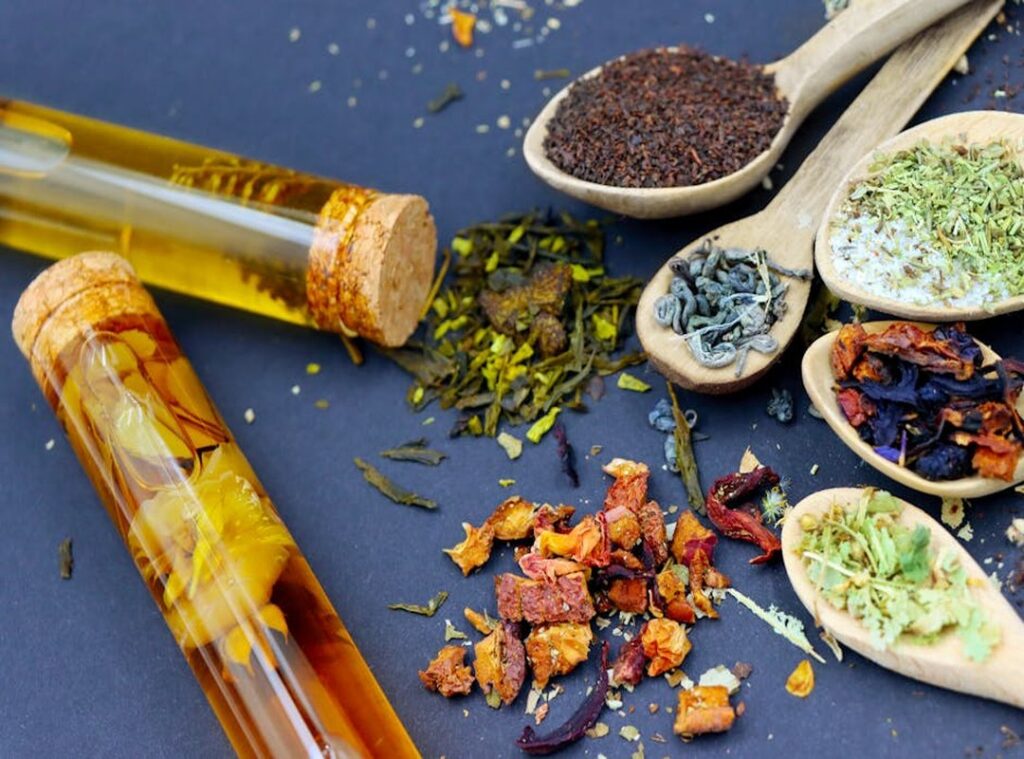
Ever followed a recipe to the letter only to end up with a dish that’s as exciting as a Monday morning? You’re not alone. The secret?
It’s all in the spices (or) rather, how you use them. This guide unveils infusing spices hacks that transform your bland creations into flavor powerhouses. I’ve spent years chasing that perfect ‘flavor buzz,’ experimenting with spice blends, especially in drinks.
It’s not just about adding more; it’s about unlocking the aromatic potential hidden within.
Trust me, there’s a world of difference between tossing in a pinch and knowing when and how to infuse. You’ll learn techniques that chefs and tea masters swear by. Ready to spice up your kitchen life and raise every bite and sip? and make those flavors unforgettable.
Spice Up Your Life: Why Good Spices Go Bad
Ever wondered why your food doesn’t pop like it used to? It’s probably your spices. They lose flavor (fast.) Especially if you’re not storing them right.
Let’s face it, ground spices are like pre-ground coffee. Sure, it’s convenient but lacks that fresh punch. Compare freshly ground coffee beans to that stale stuff sitting open for months.
Exactly.
Spices have volatile oils that give them their oomph. Keep them in airtight containers away from heat, light, and moisture. Simple, right?
This keeps those oils from evaporating.
Whole vs. Ground? This debate has been going on forever.
Want my advice? Invest in a spice grinder. That’s the single biggest flavor boost you can get.
Pre-ground is fine for quick meals, but if you want to really taste that cumin in your chili, go whole.
Pantry Audit
Do a quick check. Does your cumin smell inviting or more like cardboard? Is the color lively or dull?
If your spices are letting you down, it’s time for a refresh.
Need more secrets perfectly infusing flavors? You can learn more about maximizing spice impact with this guide.
Pro tip: When in doubt, throw it out. If you can’t remember when you bought that paprika, it’s probably time to let it go.
So, are you ready to dive into these infusing spices hacks? Your taste buds will thank you.
Toasting and Blooming: Ignite Your Dish with Aromatic Depth
Let’s talk about heat. It’s not just for cooking (it’s) a flavor activator. When you apply heat to spices, they release aromatic oils trapped inside.
This creates flavors that raise your dish. Ever wondered why certain dishes have that extra oomph? It’s often because of this heat magic.
Dry toasting is the first technique I swear by. It’s simple. You use a dry skillet on medium-low heat and keep those spices moving.
Constant motion is key. You’ll know it’s working when you smell that warm, spicy fragrance and see a slight color change. Think about toasting whole cloves or cardamom pods for chai.
Smell that? That’s flavor being unlocked.
Now, let’s not forget blooming. This technique takes spices to the next level by using fat (like) oil, ghee, or butter. Blooming extracts and carries fat-soluble flavor compounds, embedding them within the dish.
Imagine blooming mustard seeds and cumin in hot oil. You’re not just cooking; you’re building a foundation of flavor for your dal or curry. This is how you infuse a dish with a complex spice profile.
So why choose one method over the other? Toasting gives you nutty depth. It’s all about that roasted flavor.
Meanwhile, blooming infuses your entire dish with a rich, aromatic base. The choice depends on what flavor journey you want. Curious about more infusing spices hacks?
There’s a world of flavor waiting.
Both techniques are important tools in the spice lover’s arsenal. They can transform your cooking. Master them, and you’ll never look back.
Your chai, your curries, your baked goods. All bursting with flavor. Ready to heat things up?
You’ve got this.
Liquid Gold: Unlocking Flavor with Infusions
You ever tried infusing spices into your cooking? It’s like discovering a whole new world of taste. Forget about just roasting or grilling.
Shift your focus from dry heat to liquid techniques. Trust me, steeping spices is the gentlest way to extract those hidden flavors.
Water-based infusions are where beginners should start. Making chai or mulled cider is a classic example. You simmer spices like cinnamon sticks and ginger in water.
What happens? You get a flavorful base before you even think about adding anything else. It’s like magic, really.
But why stop there? Let’s talk dairy or fat-based infusions. Try your hand at infusing spices in milk, cream, or even coconut milk.
This technique is perfect for extracting different compounds and adding richness. Picture a spiced panna cotta or a creamy chai latte. Now we’re talking flavor explosion.
Feeling adventurous? Go for alcohol or vinegar infusions. These are for the more advanced flavor enthusiasts.
Think spiced simple syrups for cocktails or infused vinegars for dressings. They can really maximize flavor infused vinegars if you know what you’re doing. Want to learn more about this?
Check out how to maximize flavor infused vinegars.
Now, here’s a pro tip: time and temperature matter. Delicate spices like saffron need gentle heat and less time. Hardy ones like cinnamon bark?
They can handle a longer simmer. That’s your rule of thumb. Always wondered why your chai didn’t taste right?
This could be it.
So, why not give it a go? Next time you’re cooking, try infusing and see where it takes your dish. After all, if you don’t try, you’ll never know the potential of these infusing spices hacks.
The Art of the Blend: Layering Spices for Complexity
Ever tried to cook and felt something was missing? infusing spices hacks come into play. Instead of just sprinkling a single spice, think of creating a symphony. Imagine your dish as a song.
Base notes are the earthy tones like cumin and turmeric. They ground the dish, giving it depth.
Now, let’s add some mid notes. Warm, aromatic spices like cinnamon or cardamom. These are the harmonies.
They wrap around the base, adding warmth and familiarity. Then, we need the top notes. Bright, pungent spices like ginger, citrus zest, or black pepper.
They lift everything, creating a changing experience.
Ever tried a chai spice blend? It’s a classic example. Cumin establishes the foundation.
Cinnamon and cardamom add that rich, warm aroma. Then ginger and black pepper give a zesty kick. It’s like a well-crafted melody.
Here’s a pro tip: when you feel your dish is too heavy, a pinch of ginger or zest can raise it instantly. Balance is key. The art of blending spices is all about creating a layered, complex flavor profile.
It’s not just cooking. It’s crafting an experience. Can you smell it already?
Spice Up Your Kitchen Adventures
Flat flavors got you down? I get it. Throwing a pinch of cumin or a dash of cinnamon without much thought can turn meals into yawns.
But here’s the good news: simple techniques like toasting or blooming can change the game. Imagine the same spices you already own delivering that intense flavor buzz you crave. It’s all about infusing spices hacks.
So, what’s next? Challenge yourself. Toast some cumin seeds before your next dish.
Taste the transformation. You’ve got nothing to lose and everything to gain. Your meals will thank you.
Ready for that flavor revolution? Start now.
 Othrian Kelvayne has opinions about spiced ingredient fusion techniques. Informed ones, backed by real experience — but opinions nonetheless, and they doesn't try to disguise them as neutral observation. They thinks a lot of what gets written about Spiced Ingredient Fusion Techniques, Tea-Inspired Culinary Trends, Niche Nuggets is either too cautious to be useful or too confident to be credible, and they's work tends to sit deliberately in the space between those two failure modes.