
Ever brewed a cup of chai at home and felt disappointed? I know the feeling. That weak, watery disappointment that doesn’t even come close to the cafe experience.
Why can’t we get it right? This article tackles that frustration head-on. I’m here to demystify the secrets of authentic chai brewing techniques.
After years of experimenting with spice ratios, brewing times, and even ingredient fusion, I’ve cracked the code. Trust me, it’s simpler than you think. We’re diving deep into the how’s and the why’s of chai preparation, from traditional simmering techniques to modern shortcuts that save time without sacrificing flavor.
This isn’t some secret recipe. It’s a craft you can master. By the end of this, you’ll brew a perfect, flavor-packed cup every time.
Perfect Chai: The Four Pillars
Great chai isn’t just a recipe. It’s a delicate balance of four key elements. You can’t wing it with chai brewing techniques and expect magic.
What makes a chai truly perfect is understanding its foundation.
Pillar 1: The Tea Base. Let’s start with the star: black tea. Assam and Ceylon are top picks because their strong, malty profiles stand strong against spices and milk. Ever notice that slight bitterness? That’s tannins doing their job, adding depth and character.
Pillar 2: The Masala. This is where things get spicy, literally. The ‘big four’. Cardamom, cinnamon, ginger, and cloves (work) together, each offering something unique. Cardomom’s floral, cinnamon’s sweet warmth, ginger’s zing, and cloves’ earthiness create a symphony. And hey, a dash of black pepper or a hint of star anise never hurts.
Pillar 3: The Liquid. Water vs. milk: it’s personal. Starting with water extracts those spices, infusing them fully. Then add milk for creaminess. Think about milk choices: whole dairy for richness, oat milk for a smoother texture, or almond for a nutty twist. Each option changes the chai’s vibe entirely.
Pillar 4: The Sweetener. Sweetness is underrated. It smooths out spice and bitterness. Options? Jaggery brings a deep, molasses-like flavor. Honey adds floral notes, while plain sugar keeps it simple. Timing is key (add) sweeteners during the simmer for the best blend.
For those curious about the History Evolution Chai, it’s fascinating to see how these pillars played a role throughout the ages. Why not dive deeper? There’s always more to learn.
The Classic Method: Stovetop Chai Magic
Chai is more than just a drink. It’s a ritual. A journey of flavor that starts with toasting the spices.
Why toast, you ask? Because it wakes up those volatile oils in whole spices. Think of it as the spices’ morning coffee.
This creates a more aromatic and potent flavor base. Without this step, you’re just making flavored water. And nobody wants that.
Next up, the initial infusion. Add water and freshly grated ginger to your toasted spices. Bring it to a simmer.
Not a boil. There’s a reason for that too. Boiling is too aggressive.
It bullies the flavors, making them bitter. Simmering, though, coaxes out the richness gently. It’s like the difference between a scream and a whisper.
Now it’s time for brewing the tea. Drop those black tea leaves in. But here’s the catch.
Over-brewing is a real risk. Leave them too long and your chai turns bitter. Keep it under control.
Watch it closely. A few minutes should do it. Enough to get that strong tea flavor without the bitterness.
Then, the milky simmer. Add milk and your preferred sweetener. This is where it gets fun.
Bring the chai back near a boil. Let it rise and fall a few times. This technique, known as ‘kadhna’, develops a creamy texture that’s hard to beat.
It’s the secret weapon against basic recipes. Trust me, it’s worth the effort.
Finally, strain and serve. Pour that liquid gold into a cup. Drink it immediately.
It’s not meant to wait around. Want more tips on how to brew chai? You’ll find plenty of techniques out there, but this stovetop method is the heart of chai brewing techniques.
It’s authentic. It’s rewarding. It’s what chai is meant to be.
Modern Chai Hacks: Quick and Flavorful
Let’s be honest, not everyone has the time for traditional chai brewing. Who’s got the patience to hover over a stove, coaxing flavors out of spices and tea leaves? Not me.

That’s why I’m all about these modern chai brewing techniques. They’re quick, save time, and still pack a punch.
First up, the Chai Concentrate. This is a lifesaver. I make a big batch of spiced tea concentrate (I follow steps 1-3 from my trusty old recipe), and store it in the fridge.
When I want a cup, I just mix it with hot milk. It’s simple. It’s fast.
Plus, it keeps me from reaching for something less satisfying.
Next, the French Press Method. This is for those who like their chai clean and less murky. Just steep your tea and crushed spices in hot water inside the press.
Give it a plunge and mix with steamed milk. The pros? A cleaner flavor.
The cons? It doesn’t have that full-bodied feel, but sometimes I prefer it that way.
Then there’s the ‘Quick Masala’ Powder. This is the ultimate hack for busy mornings. I create a pre-ground spice blend and add it directly to boiling water with tea.
Add milk, and boom, you’re done. It doesn’t have the depth of whole spices, but the convenience is unbeatable. Plus, it’s perfect if you’re experimenting with different spice mixes.
Curious about how chai has evolved globally? Dive into chai traditions around world for more. You’ll find how each culture has its twist on this beloved beverage.
So, what’s your go-to method when time is short? These techniques let you enjoy chai without the fuss. And yes, each method has its quirks, but that’s part of the fun, right?
Raise Your Brew: Pro-Tips for Unforgettable Flavor
Want to become a chai master? Let’s dive into some chai brewing techniques that will raise your brew to new heights. First, the power of fresh ingredients cannot be overstated.
Fresh ginger root and whole spices pack a punch that their powdered and pre-ground counterparts simply can’t match. Trust me, once you go fresh, you won’t go back. Have you ever tried experimenting with non-traditional ingredients in your chai?
Creating a signature blend is all about pushing boundaries. Add a strip of orange peel or a vanilla bean to your masala mix. These little tweaks can completely transform your chai experience.
Pair that with a pinch of nutmeg, and you’ve got a blend that’s uniquely yours.
Now, let’s talk about sweetness. It’s not just about sugar. Balancing flavors is key.
A small pinch of salt can surprisingly boost the sweetness and spice in your chai. This might sound counterintuitive, but give it a go.
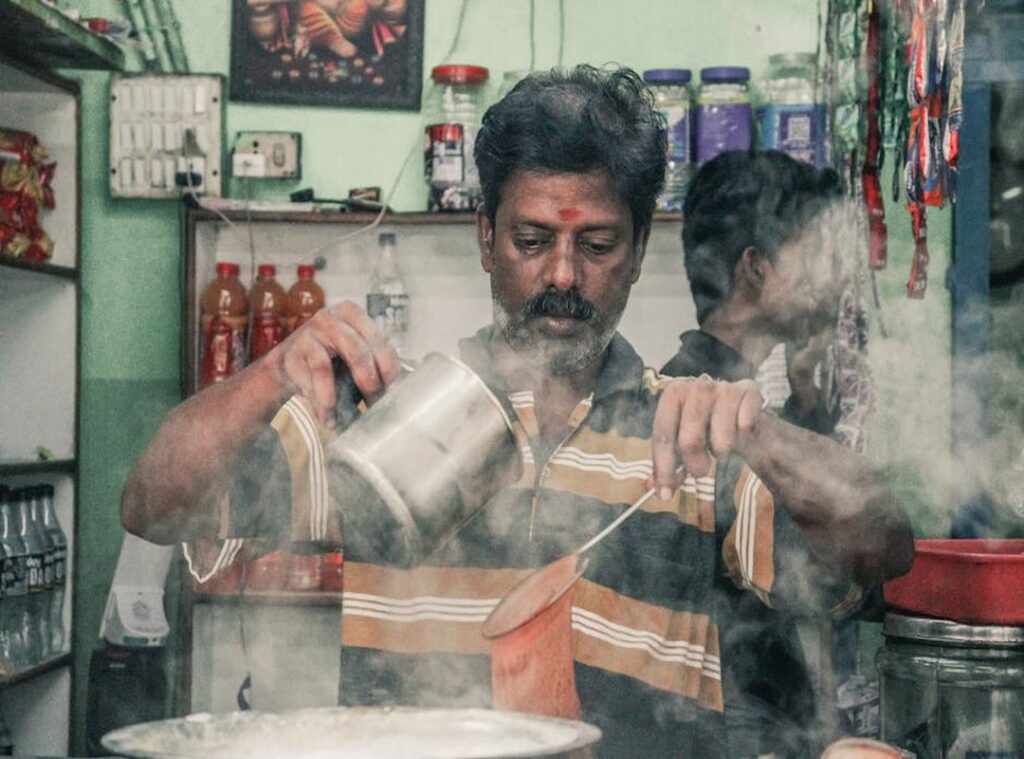
Finally, the froth factor. Aerating your chai by pouring it between two vessels (a technique used by street-side chaiwallahs) can cool it slightly while improving texture. It’s a small step with a big payoff.
Ready to brew? Get creative and let your taste buds lead the way.
Spice It Up: Your Chai Adventure Awaits
You’ve got what it takes to make chai that sings. Forget those lackluster cups you’ve had before. The secret?
It’s all about understanding the core ingredients and mastering your chai brewing techniques. Ready to dive in? Get your spices, pick a method, and craft your own signature brew.
Need more guidance? Head over to chaitomin.com for the best recipes and tips. Stop settling for ordinary.
Unleash the chai master within you now.
 There is a specific skill involved in explaining something clearly — one that is completely separate from actually knowing the subject. Jennifer Thorpecania has both. They has spent years working with chai-focused recipes and flavors in a hands-on capacity, and an equal amount of time figuring out how to translate that experience into writing that people with different backgrounds can actually absorb and use.
Jennifer tends to approach complex subjects — Chai-Focused Recipes and Flavors, Flavor Buzz, Infused Cooking Tips and Hacks being good examples — by starting with what the reader already knows, then building outward from there rather than dropping them in the deep end. It sounds like a small thing. In practice it makes a significant difference in whether someone finishes the article or abandons it halfway through. They is also good at knowing when to stop — a surprisingly underrated skill. Some writers bury useful information under so many caveats and qualifications that the point disappears. Jennifer knows where the point is and gets there without too many detours.
The practical effect of all this is that people who read Jennifer's work tend to come away actually capable of doing something with it. Not just vaguely informed — actually capable. For a writer working in chai-focused recipes and flavors, that is probably the best possible outcome, and it's the standard Jennifer holds they's own work to.
There is a specific skill involved in explaining something clearly — one that is completely separate from actually knowing the subject. Jennifer Thorpecania has both. They has spent years working with chai-focused recipes and flavors in a hands-on capacity, and an equal amount of time figuring out how to translate that experience into writing that people with different backgrounds can actually absorb and use.
Jennifer tends to approach complex subjects — Chai-Focused Recipes and Flavors, Flavor Buzz, Infused Cooking Tips and Hacks being good examples — by starting with what the reader already knows, then building outward from there rather than dropping them in the deep end. It sounds like a small thing. In practice it makes a significant difference in whether someone finishes the article or abandons it halfway through. They is also good at knowing when to stop — a surprisingly underrated skill. Some writers bury useful information under so many caveats and qualifications that the point disappears. Jennifer knows where the point is and gets there without too many detours.
The practical effect of all this is that people who read Jennifer's work tend to come away actually capable of doing something with it. Not just vaguely informed — actually capable. For a writer working in chai-focused recipes and flavors, that is probably the best possible outcome, and it's the standard Jennifer holds they's own work to.